Plan for access and reservations
Arches sees heavy visitation; a timed-entry reservation system is currently used during peak periods to manage crowds. Check park websites before arrival for any required reservations, road updates or temporary closures.
Parking at popular trailheads can fill early, so arriving before mid-morning or targeting less-visited routes will improve the experience.
Hikes and highlights
Must-see features are within easy reach of Moab. Delicate Arch rewards a moderate uphill hike with an iconic, freestanding arch framed by wide desert vistas. The Devils Garden area offers a range of routes from accessible viewpoints to multi-arch scrambles, including Landscape Arch, one of the longest natural spans. Fiery Furnace requires a permit or guided tour for self-guided exploration because its narrow mazes and fragile surfaces need protection and careful navigation.
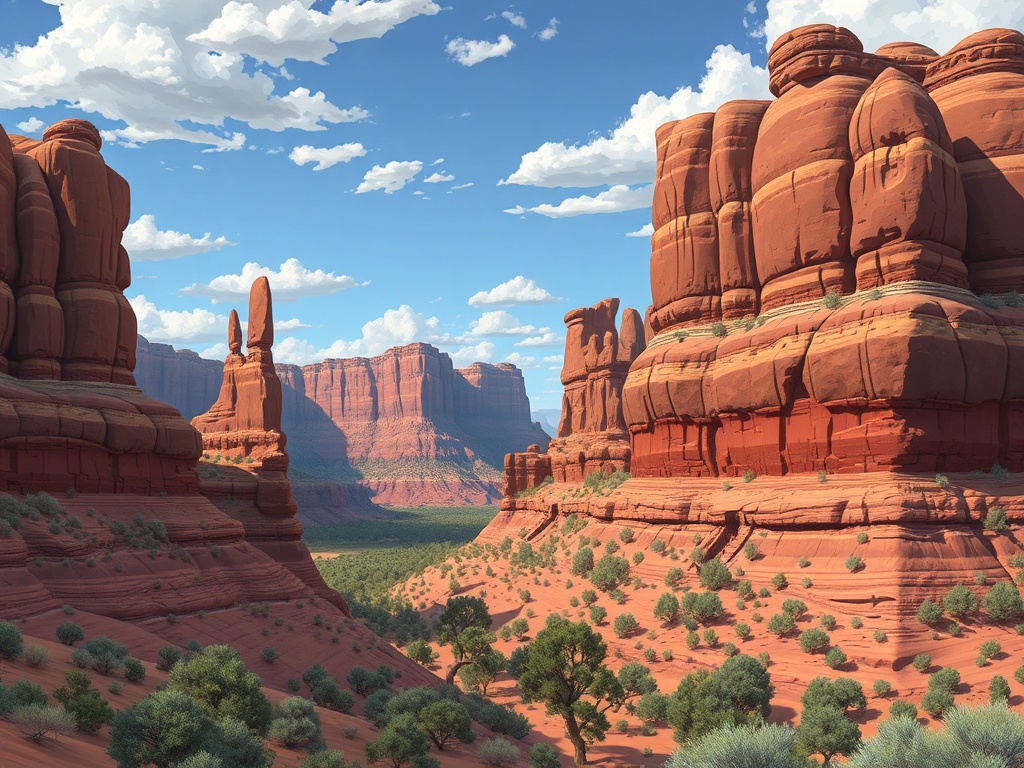
For panoramic canyon country, Canyonlands’ Island in the Sky district delivers overlooks that are accessible with short walks. More technical backcountry routes are popular with experienced hikers and require route-finding skills and proper navigation equipment.
Mountain biking, off-roading and technical recreation
Moab’s mountain-bike network is legendary. Slickrock and the surrounding Sand Flats Recreation Area offer adrenaline-fueled rides on sandstone and purpose-built features.
Popular shuttle-supported singletrack and technical trails draw riders of all levels, but riders should always wear helmets, carry tools and be prepared for remote conditions.
Off-road driving on nearby BLM lands is widely practiced, but drivers must stay on designated routes and carry recovery gear. Consider hiring a guide for unfamiliar, technical 4×4 routes and confirm seasonal closures or permit requirements.
Safety and environmental responsibility
Desert environments change rapidly. Sun exposure, heat and dehydration are constant risks — carry ample water, use sun protection and avoid mid-day exertion in the hottest months.
Trails can be slick when wet, and sudden storms can cause flash flooding in slots and washes. Cell service is spotty; share your plans and expected return times.
Practice Leave No Trace principles: stay on durable surfaces, pack out all trash, avoid disturbing rock art or fragile cryptobiotic soil, and use established fire rings where allowed. Drones and other unmanned aircraft are prohibited in national parks — bringing them can result in fines and negatively impact wildlife and other visitors.
Where to stay and explore beyond the parks
Moab offers a range of lodging, from developed campgrounds to dispersed camping on BLM lands. Booking in advance is recommended during busy windows. For quieter experiences, explore nearby tributary canyons, BLM-managed trails and lesser-known viewpoints that offer solitude without the crowds.
Make the most of the visit by balancing iconic sights with lower-traffic experiences, traveling prepared, and leaving the landscape as intact as it was found. Respect for fragile desert ecosystems and local rules ensures these spectacular places remain accessible and inspiring for everyone.