What to see and do
– Arches highlights: The hike to Delicate Arch is iconic—plan for a steep, exposed approach and catch it at sunrise or sunset for the best light and smaller crowds. Devil’s Garden offers a network of trails and arches, with options ranging from short viewpoints to longer, scrambling routes. Fiery Furnace is a maze of fins and narrow passages and requires a permit or ranger-guided tour to protect fragile sandstone and navigate safely.
– Canyonlands and overlooks: Island in the Sky provides dramatic overlooks, Mesa Arch being a photographer favorite for its frame-and-light effect. The Needles district rewards multi-day exploration with backcountry routes and technical scrambling.
– Adventure sports: Slickrock Trail is a must for experienced mountain bikers; technical canyoneering and rock climbing are available with local guiding services for those without the rope skills. Off-roading routes like Hell’s Revenge and Fins and Things demand proper 4×4 vehicles, traction control off, and local route knowledge.
– Water and night sky: Float trips on the Colorado River range from mellow scenic floats to multi-day adventures through narrow canyon sections. After dark, the region’s minimal light pollution provides outstanding stargazing and interpretive programs at parks and local venues.
Practical planning
– Permits and reservations: Some areas use seasonal permit or timed-entry systems to protect resources and manage visitor flow. Fiery Furnace and certain backcountry or technical routes often require permits or guided access.
Check official park and land-management sites for current rules before you go.
– Safety and environment: Desert conditions include large daytime-nighttime temperature swings, intense sun, and sudden storms that can produce flash floods in narrow canyons. Carry plenty of water (many hikers aim for at least three liters for a full day), sun protection, layered clothing, and a navigation plan. Technical canyons and climbs call for experience or a certified guide.
– Avoiding crowds: Arrive early for popular viewpoints or explore lesser-known BLM routes and side canyons to find quiet. Weekday mornings and late afternoons usually offer more space to roam.
– Responsible travel: Stay on established trails and routes, pack out all trash, and follow Leave No Trace principles to protect delicate cryptobiotic soils and rare desert vegetation. Motorized vehicles should remain on designated roads; mechanical damage to slickrock and desert soils takes decades to recover.
Local services and sustainability
Moab’s economy centers on outdoor recreation—local outfitters, guides, and independent shops supply gear, guided trips, and up-to-date trail conditions. Supporting local operators helps fund stewardship and keeps knowledge local.
Many outfitters now emphasize sustainable practices, low-impact routing, and education on responsible recreation.
Final thought
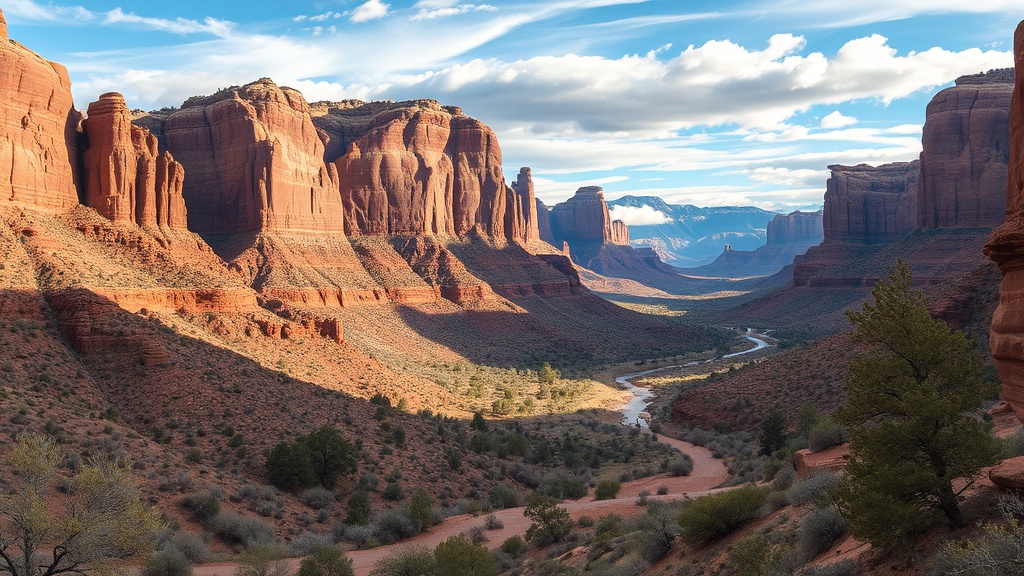
Moab’s parks and public lands offer a powerful mix of geology, adventure, and quiet moments under enormous skies. With careful planning, respect for fragile desert ecosystems, and attention to safety, a visit can be both exhilarating and restorative—whether you seek a sunrise photo at a famous arch or a quiet canyon all to yourself.