What to prioritize
– Arches National Park: Iconic trails like the Delicate Arch viewpoint and the Devil’s Garden area showcase the park’s famous fins and arches.
The Delicate Arch hike is a moderately steep out-and-back of roughly three miles round trip with exposed slickrock. Devil’s Garden offers both short viewpoints and a longer, more technical loop that includes Landscape Arch and narrow sections.
– Canyonlands and Dead Horse Point: Canyonlands’ Island in the Sky mesa and Dead Horse Point State Park deliver sweeping canyon panoramas and top-tier mountain biking and hiking. Expect dramatic overlooks and multi-use trails.
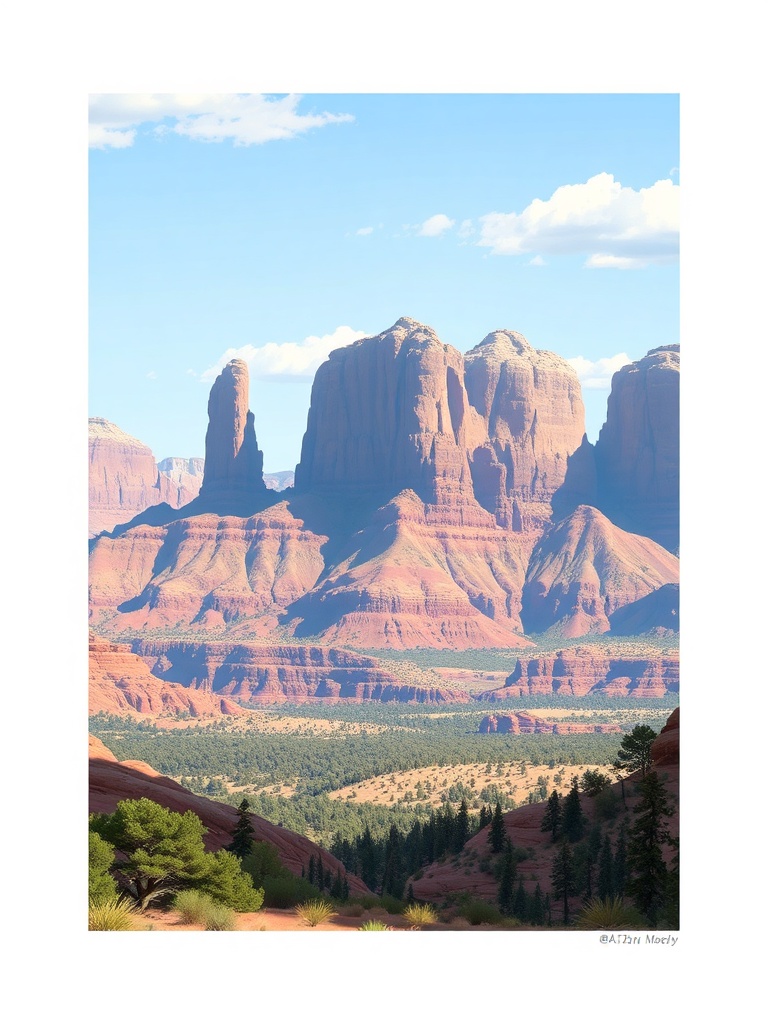
– BLM lands and off-road routes: Outside the parks, BLM-managed terrain provides premier 4×4 trails, slickrock runs, and dispersed camping. Popular routes demand high clearance and traction; hire a guide or join a local outfitter if you’re new to technical driving.
Safety and rules to respect
– Water and heat: The desert can be deceptively demanding. Carry several liters of water per person, wear sun protection, and plan hikes for cooler parts of the day.
Hypothermia is also possible on cold nights—check forecasts and pack layered clothing.
– Permits and seasonal controls: Some areas use timed-entry or permit systems during peak demand, and certain technical activities may require permits. Check official Park Service, BLM, and state park sites for current rules before you travel.
– Pets and restrictions: National park rules often limit pets to developed areas such as campgrounds and roads. Trails and backcountry usually prohibit dogs—confirm specifics with the managing agency.
– Leave No Trace: Stay on designated trails and avoid creating social trails around popular viewpoints. Don’t climb on or touch fragile arches; many formations are unstable and protected.
Top tips for a better visit
– Arrive early or late: Sunrise and sunset offer the best light and smaller crowds.
For Delicate Arch and other popular viewpoints, early arrival often secures parking and a quieter experience.
– Respect fragile features: Sandstone erodes quickly; avoid stepping on cryptogamic soil and lichens, and use established routes for photography and foot traffic.
– Plan for parking: Lot sizes at trailheads are limited. If lots fill, consider alternate trails or returning later in the day.
– Book guided experiences: For canyoneering, technical climbing, or advanced off-road routes, experienced guides reduce risk and enhance the experience.
– Photography advice: Wide-angle lenses capture landscapes; a telephoto isolates distant formations.
Bring a tripod for low-light shots and learn a few compositional tricks like using foreground features to add depth.
Where to go next
Combine park visits with a scenic drive into La Sal Mountains for cool contrasts, or explore local Moab trails for mountain biking that ranges from beginner-friendly loops to world-class slickrock runs.
With thoughtful planning—respecting rules, preparing for desert conditions, and choosing routes that match your skill level—Moab’s parks reward visitors with unforgettable scenery and endless adventure opportunities. Check official park and land-management resources before you go to confirm access and regulations.