Once clustered around veins of ore and seams of coal, these communities shaped regional economies, cultures and landscapes. Today they remain focal points for heritage tourism, environmental remediation and creative redevelopment — offering lessons about resilience and the changing value of natural resources.
From boom to bust: the lifecycle of a mining town
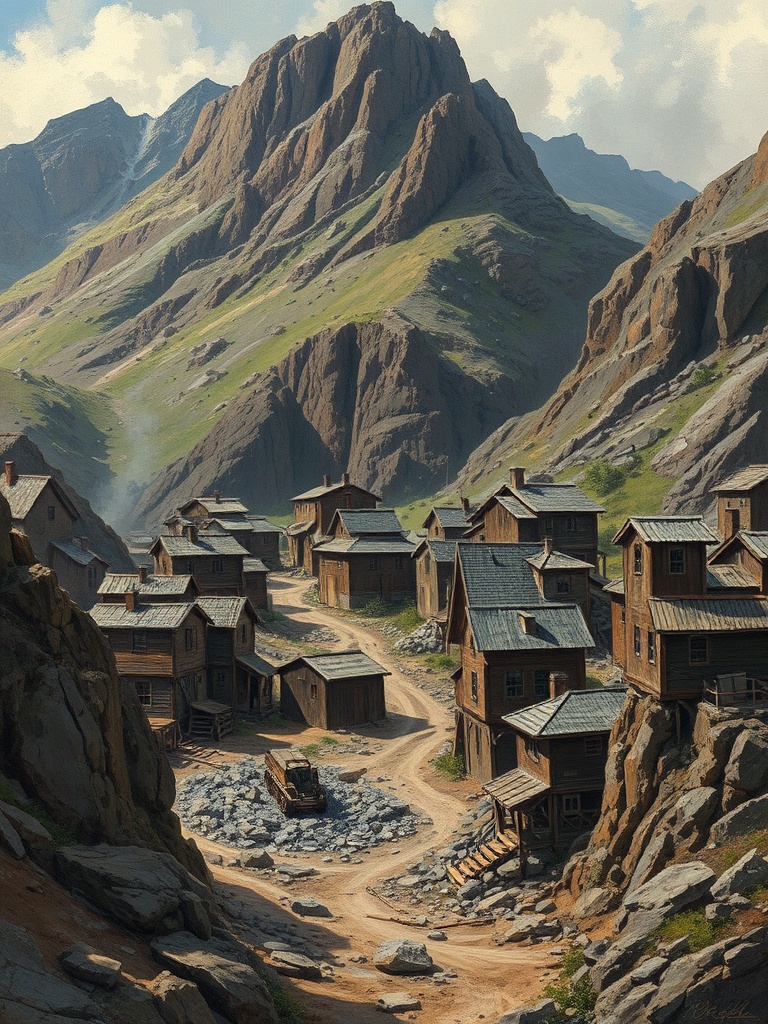
Mining towns often follow a familiar arc: rapid growth when deposits are discovered, infrastructure built to serve workers and families, then decline when extraction becomes uneconomic or resources are exhausted. That cycle leaves behind unique assets — rail corridors, processing plants, worker housing, and entire neighborhoods — along with environmental legacies such as tailings, altered waterways and abandoned shafts. These physical remnants create both challenges and opportunities for communities facing transition.
Repurposing infrastructure and land
A growing strategy is adaptive reuse. Old industrial buildings become museums, artisan workshops or event spaces.
Rail lines are converted into trails that attract hikers and cyclists. Deep pits and underground voids are being evaluated for innovative uses: pumped storage for grid-scale energy, geothermal installations, aquaculture, or secure storage.
Successful projects balance technical feasibility with community input, regulatory compliance and long-term maintenance planning.
Heritage tourism as an economic lever
Mining heritage resonates with visitors: guided mine tours, reconstructed boomtowns, and interpretive centers bring history alive.
Heritage tourism can diversify local economies, supporting hospitality, retail and cultural enterprises. To succeed, destinations create high-quality visitor experiences, promote local stories, and ensure authenticity. Partnerships with local historians, Indigenous communities, and former workers strengthen interpretation and attract repeat visitors.
Environmental and social challenges
Remediation of contaminated soils, acid mine drainage and subsidence is resource-intensive but essential for safe redevelopment. Effective mine reclamation prioritizes water quality, habitat restoration, and stabilization of tailings.
Socially, communities face population loss, aging infrastructure, and the need to retrain workforces. Programs that combine environmental cleanup with job creation — hiring local contractors for remediation or training residents in reclamation trades — deliver dual benefits.
Community-led resilience and diversification
Long-term resilience comes from economic diversification. Small towns that cultivate multiple sectors — outdoor recreation, renewable energy, artisanal manufacturing, digital services and education — reduce dependency on a single industry.
Local leadership that engages civic groups, schools and small businesses creates momentum. Access to broadband, incentives for small enterprises, and flexible zoning help attract new residents and entrepreneurs.
How to visit mining towns responsibly
– Respect closures and safety signage around old mines.
Unmarked shafts and structures can be hazardous.
– Support local businesses: eat at cafes, stay at local inns, buy from artisans.
– Learn local history from museums or community centers; ask about Indigenous perspectives and labor histories.
– Dispose of waste properly and stay on designated trails to protect fragile landscapes.
Opportunities ahead
Mining towns are not relics or inevitabilities but living communities with potential. Thoughtful reclamation, creative reuse of infrastructure, and community-driven planning turn legacies of extraction into engines for culture, recreation and sustainable industry. For residents and visitors alike, these towns offer a powerful mix of history, innovation and place-based resilience that continues to shape regional identities.