Once focused on extraction, many of these towns are now redefining themselves by preserving heritage, restoring landscapes, and building diversified local economies.
What makes mining towns distinctive
Mining towns often grew rapidly around a single resource—coal, gold, silver, copper, or rare earths—creating concentrated communities with distinct architecture, infrastructure, and social networks.
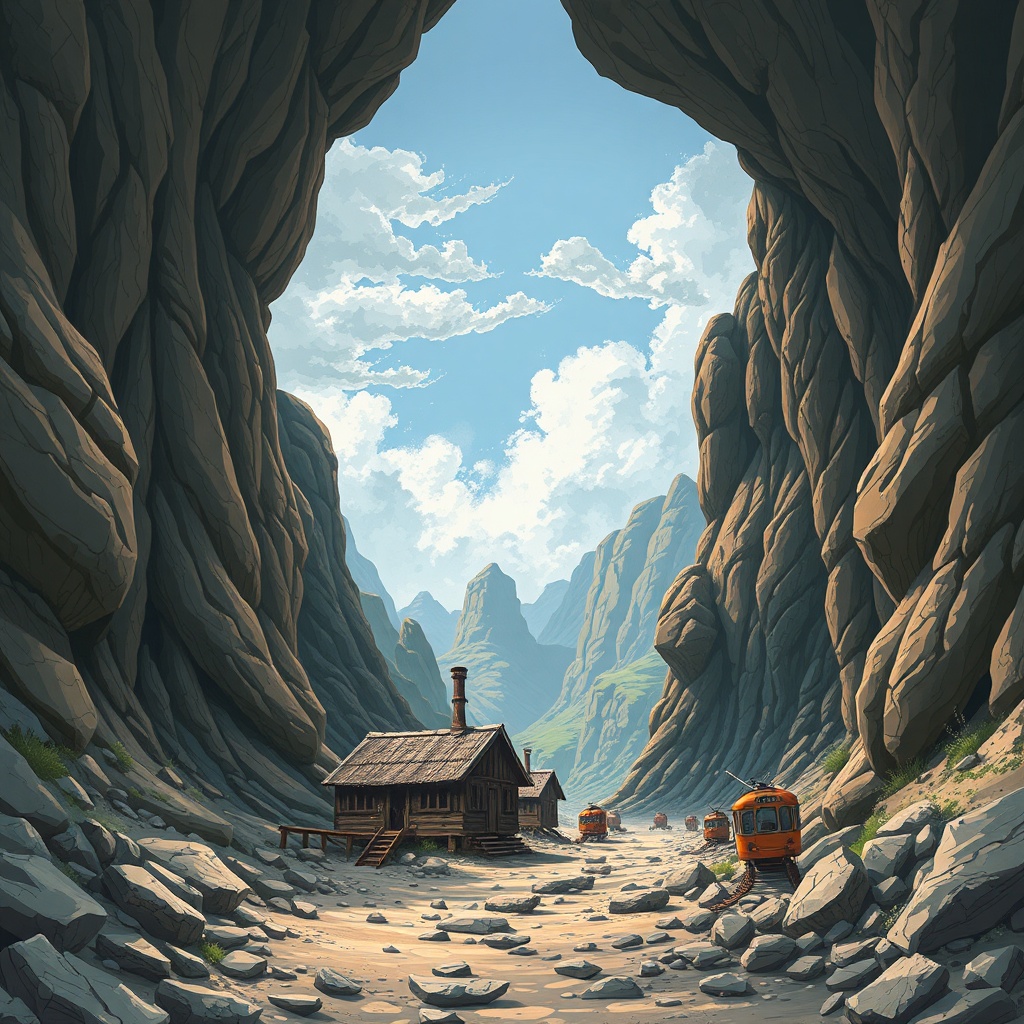
Row houses, miner’s cabins, rail depots, stamp mills, and headframes remain powerful visual symbols.
That built environment, along with oral histories and industrial artifacts, forms an asset for communities looking to preserve identity while moving beyond resource dependence.
Paths to economic resilience
Diversification is central to surviving post-extraction decline. Successful mining towns tend to pursue multiple strategies at once:
– Heritage tourism: Restored mine tours, museums, and living-history events attract visitors interested in industrial heritage. Interpretive trails and augmented-reality apps can make history accessible without heavy new construction.
– Outdoor recreation: Many ex-mining landscapes convert to hiking, biking, rock-climbing, and fishing destinations. Rail-trail conversions and protected open spaces create year-round activity.
– Renewable energy and reclamation projects: Former mine sites often offer large, flat parcels suitable for solar arrays, wind projects, or sustainable forestry—turning liability into opportunity while paying for remediation.
– Creative economies: Artist residencies, craft breweries, and local-food initiatives create jobs and foot traffic, especially when coupled with affordable housing and co-working spaces for remote workers.
Ecological and community restoration
Mine reclamation is crucial for public health and long-term viability. Effective programs focus on stabilizing soil, treating acid mine drainage, replanting native species, and monitoring groundwater. Community-led reclamation that involves Indigenous groups and long-term residents tends to deliver better ecological and social outcomes, ensuring that cultural landscapes are respected and restored in ways that matter locally.
Preserving stories and preventing erasure
Tangible structures matter, but intangible heritage—stories, dialects, songs, and unions—gives mining towns their soul. Oral-history projects, school curricula, and community archives help preserve this memory while making it accessible to visitors and younger generations. Attention to social equity is also essential; redevelopment should avoid displacing longtime residents with rising property values or turning history into a sanitized tourism product.
Safety and practical tips for visitors
Old mines and industrial ruins can be hazardous. Visitors should:
– Obey posted signs and stay on designated trails
– Avoid entering mine shafts or buildings that are not part of official tours
– Wear sturdy footwear and bring water for remoter sites
– Respect private property and local customs
– Support local businesses and interpretive centers to help fund preservation
Looking ahead
Mining towns exemplify how communities can adapt when primary industries fade.
With thoughtful planning—combining heritage preservation, environmental remediation, economic diversification, and community participation—these places can become models of sustainable regeneration. For travelers, researchers, and policymakers, mining towns offer lessons about resilience, the costs and legacies of extraction, and the creative possibilities of place-based renewal.
Leave a Reply