From boom to bust: the lifecycle of a mining town
Mining towns often follow a familiar arc.
A discovery prompts rapid population growth, infrastructure investment, and a spike in local businesses.
When deposits are exhausted or commodity prices fall, towns can contract just as fast, leaving behind vacant buildings, aging infrastructure, and a workforce that must relocate or retrain.
That cycle influences local housing markets, public services, and community cohesion long after the mines close.
Economic revitalization strategies
Many former mining communities are discovering ways to diversify their economies. Heritage tourism transforms historic mines, railways, and company towns into visitor attractions that preserve local identity while generating jobs. Outdoor recreation — mountain biking, hiking, fishing — leverages existing landscapes and infrastructure.
Some towns attract small manufacturing, tech, or renewable energy projects, often aided by incentives and improved broadband access. Successful revitalization typically combines private investment, community-led planning, and targeted public funding.
Environmental remediation and public health
Environmental legacies are a central concern.
Abandoned mines can leave behind soil contamination, acid drainage, and unstable mine workings.
Effective remediation requires coordinated action among government agencies, mining companies, and communities. Techniques range from engineered caps and water treatment systems to phytoremediation and landscape restoration. Addressing contamination not only protects public health and ecosystems but also unlocks land for new uses and development.
The role of modern mining practices
Today’s mining operations are more regulated and technologized than ever before. Modern practices emphasize reduced surface impact, more efficient water use, and community consultation. For towns still supporting active mines, that can mean better environmental safeguards and tighter links between operators and residents. Mining companies that invest in local infrastructure, skills development, and long-term planning help stabilize communities and create smoother transitions when operations scale down.
Heritage and identity
Preserving the cultural fabric of mining towns is both an economic and social asset.
Museums, restored miners’ housing, and interpretive trails keep local stories alive and nurture civic pride. Community festivals and crafts markets celebrate mining heritage while bringing visitors and revenue into town centers. These efforts often inspire younger residents to see opportunities in heritage hospitality, conservation, and entrepreneurship.
Planning for resilience
Future-ready mining towns build redundancy into their economies and infrastructure. Key strategies include investing in broadband to attract remote workers, converting industrial sites for mixed-use development, expanding vocational training aligned with regional employment needs, and prioritizing sustainable land use. Inclusive planning that centers resident voices tends to yield solutions that stick.
Balancing opportunity and responsibility
Mining towns sit at the intersection of economic opportunity and environmental responsibility. With demand for critical minerals related to the energy transition, some communities near active deposits are experiencing renewed interest. That brings jobs and investment but also renewed scrutiny on environmental protection and social impacts.
Transparent agreements, benefit-sharing mechanisms, and robust environmental oversight are essential for long-term community wellbeing.
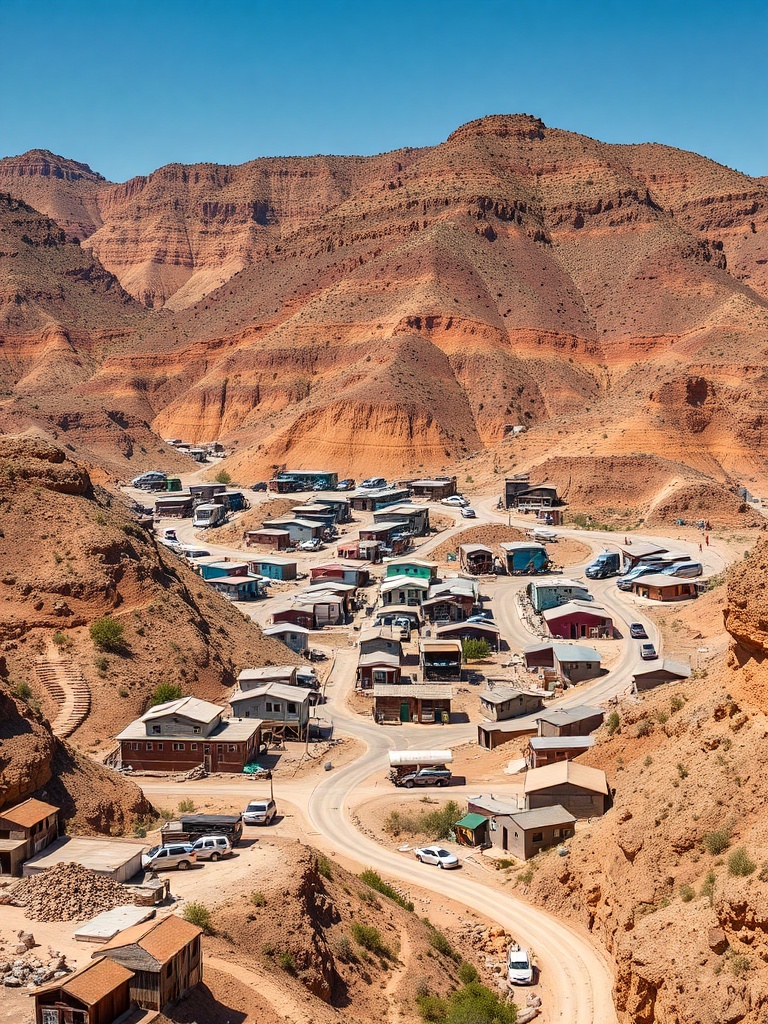
Mining towns may be born from extraction, but their futures are shaped by adaptation. By marrying smart planning, environmental stewardship, and a commitment to local identity, these communities can pivot from single-industry dependency toward diverse, resilient futures that honor their past while embracing new possibilities.