Yellowstone is one of the planet’s most remarkable landscapes, known for its steam-spewing geysers, vivid hot springs, and abundant wildlife. The park’s hydrothermal system creates a surreal mosaic of colors and formations, while its valleys and forests host bison herds, elk, bears, wolves, and countless birds. Whether you’re drawn by the drama of Old Faithful or the quiet of a backcountry trail, a thoughtful approach makes the experience safer and more rewarding.
Geothermal wonders
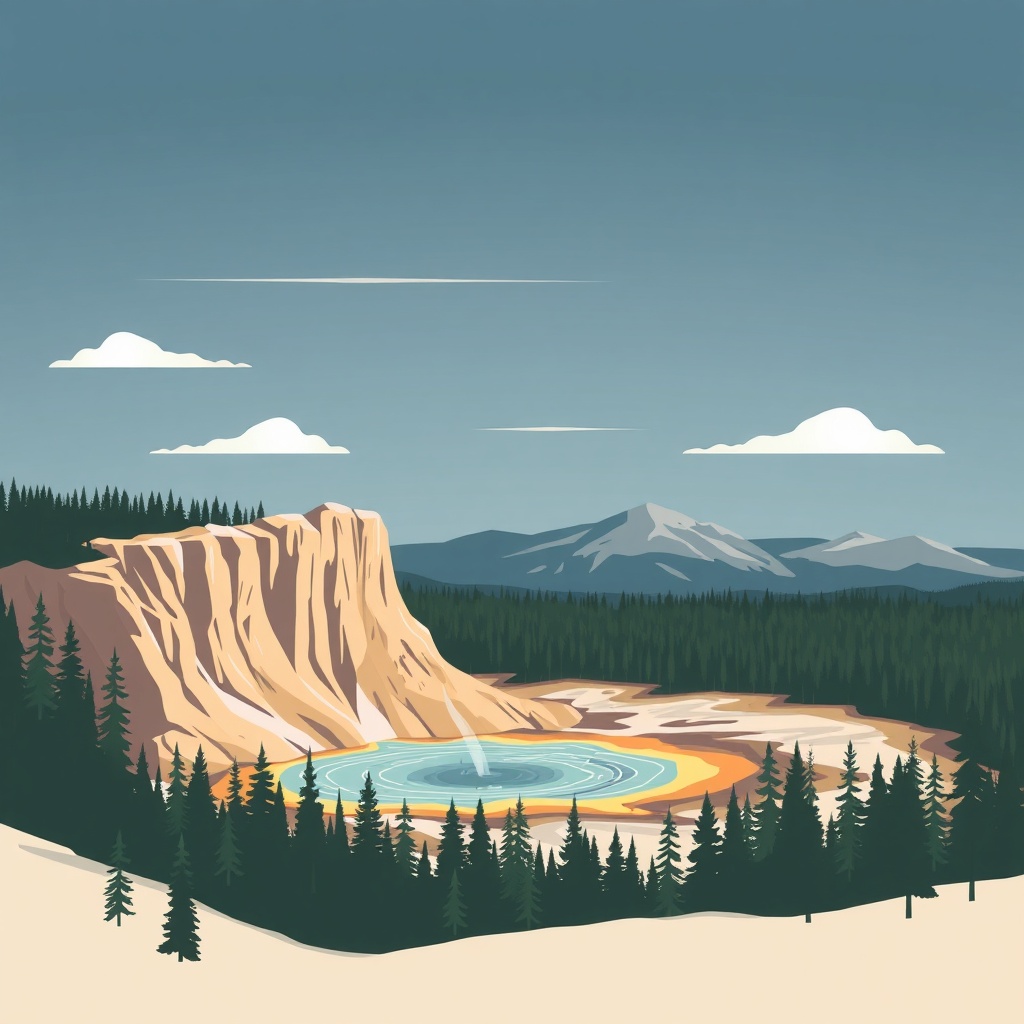
Yellowstone contains the largest concentration of geysers and hydrothermal features on Earth. From predictable eruptions to fragile silica terraces and deep, neon-blue pools, these features form when water meets heat from the magma system beneath the ground. Boardwalks and designated viewing areas let visitors see these phenomena up close while protecting both people and sensitive formations. Never stray off marked paths — the crust can be thin and the water scalding.
Wildlife encounters
Wildlife watching is a highlight, but animals are wild for a reason.
Keep a safe distance: aim for at least 25 yards from large mammals and at least 100 yards from bears and wolves. Use binoculars or a telephoto lens for close-up views. Bison may appear calm while grazing but can charge with little warning and outrun a human. Drive slowly on park roads — animals often cross unexpectedly.
Planning and logistics
Successful visits blend planning with flexibility. Popular thermal basins and overlooks can become crowded during peak periods, so arrive early or seek lesser-known areas for a quieter experience. Weather can swing rapidly; dressing in layers and carrying rain gear helps.
If you plan to hike or backcountry camp, secure any required permits and follow food-storage rules to reduce wildlife encounters. Familiarize yourself with current road conditions and any seasonal access restrictions before heading out.
Safety essentials
– Stay on boardwalks and trails near thermal areas.
– Maintain recommended distances from all wildlife and never feed animals.
– Store food and scented items properly when camping to avoid attracting bears.
– Carry water, a map, and communication devices; cell service is limited in many parts of the park.
– Learn basic first-aid and know what to do in case of wildlife encounters.
Conservation and stewardship
Balancing visitation with preservation is an ongoing challenge. Trampling, litter, and off-trail travel can damage fragile geothermal features and plant communities. Air and water quality, invasive species, and shifting climate patterns also affect habitats and visitor experiences. Practicing Leave No Trace ethics, respecting signage, and supporting park conservation programs help protect Yellowstone’s unique resources for future visitors.
Unique experiences beyond the headline attractions
Exploring lesser-known areas reveals different sides of the park: scenic drives along quiet valleys, birding hotspots near wetlands, and backcountry trails that showcase solitude and expansive vistas. Ranger-led programs and educational exhibits add context to geological processes and wildlife behavior, deepening appreciation for the landscape.
Yellowstone rewards curiosity and restraint.
Observing safety guidelines, planning ahead, and treading lightly lets you witness extraordinary natural forces while helping preserve them.
Whether you come for the geysers, the wildlife, or the sheer scale of the place, mindful travel ensures Yellowstone’s wonders remain vibrant for all who follow.
Leave a Reply