Whether used for cattle, guest operations, conservation, or recreation, a Wyoming ranch offers a blend of working-land tradition and modern stewardship that appeals to buyers, visitors, and land managers alike.
What defines a Wyoming ranch
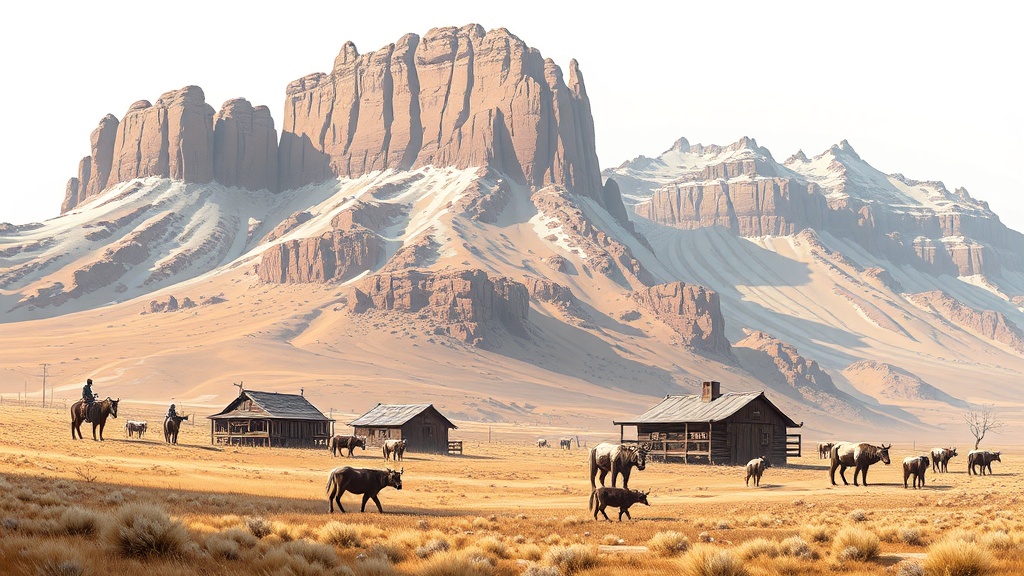
A ranch in Wyoming usually blends several functions: livestock production (most often cattle), hay and forage management, seasonal wildlife habitat, and recreational uses such as hunting, fishing, and horseback riding.
Many properties include improvements like barns, loafing sheds, corrals, and owner housing, plus important natural assets: spring-fed creeks, irrigation ditches, riparian areas, and native grasslands.
Economic and lifestyle considerations
Ranching remains a working business for many owners. Successful operations focus on efficient grazing management, herd health, and hay production, while diversifying income through guest stays, hunting leases, or direct-to-consumer beef sales.
Wyoming’s business-friendly climate and lack of state income tax can be attractive to owners, but running a ranch also requires readiness for seasonal labor, equipment maintenance, and weather-driven variability.
Land stewardship and sustainable practices
Increasingly, ranchers adopt conservation-forward practices that improve productivity and biodiversity. Key approaches include:
– Rotational grazing to allow pastures to recover, increase forage resilience, and reduce erosion.
– Riparian buffers and fencing to protect streams and wetlands while allowing wildlife access.
– Native-seed restoration to combat invasive species and restore forage quality.
– Prescribed burning where appropriate, to rejuvenate sagebrush-steppe and reduce fuel loads.
– Solar array installations on outbuildings or fenced areas to offset energy costs and reduce reliance on diesel.
Water rights and legal issues
Water is a central asset: surface water, springs, and irrigation rights define usability and value. Prospective buyers and lessees should perform thorough due diligence on water permits, well logs, irrigation district commitments, and historical use. Grazing permits on public lands and the ability to secure seasonal water access are also critical for operations that rely on adjacent federal grazing allotments.
Recreation and guest-ranch potential
Many Wyoming ranches earn supplemental income by offering authentic guest experiences: cattle drives, trail riding, fly-fishing, and wildlife viewing. A successful guest ranch blends comfortable accommodations with a curated outdoor program, strong marketing, and attention to seasonal staffing. Liability coverage and local permitting are important considerations for welcoming paying guests.
Conservation easements and estate planning
Conservation easements are used widely to protect open space, secure wildlife corridors, and provide tax advantages while retaining working use. Estate and succession planning matters—such as equitable division among heirs or creating LLCs and family partnerships—help keep ranches intact and operating across generations.
Visiting or buying a ranch: practical tips
– Inspect water infrastructure and surface rights thoroughly.
– Evaluate forage capacity and hay storage for wintering needs.
– Review county and local land-use rules, plus any grazing permits.
– Consider fire mitigation measures for homes and outbuildings.
– Connect with local extension services and ranching networks for regional best practices.
Wyoming ranches combine a strong cultural heritage with evolving land-management science.
For those drawn to wide-open landscapes and hands-on stewardship, they offer a rare opportunity to work the land, foster wildlife habitat, and create lasting rural livelihoods.