Once dominated by a single industry, many of these towns now face a choice—cling to a fading economic model or adapt to new realities. The most successful transitions balance heritage preservation with forward-looking investments.
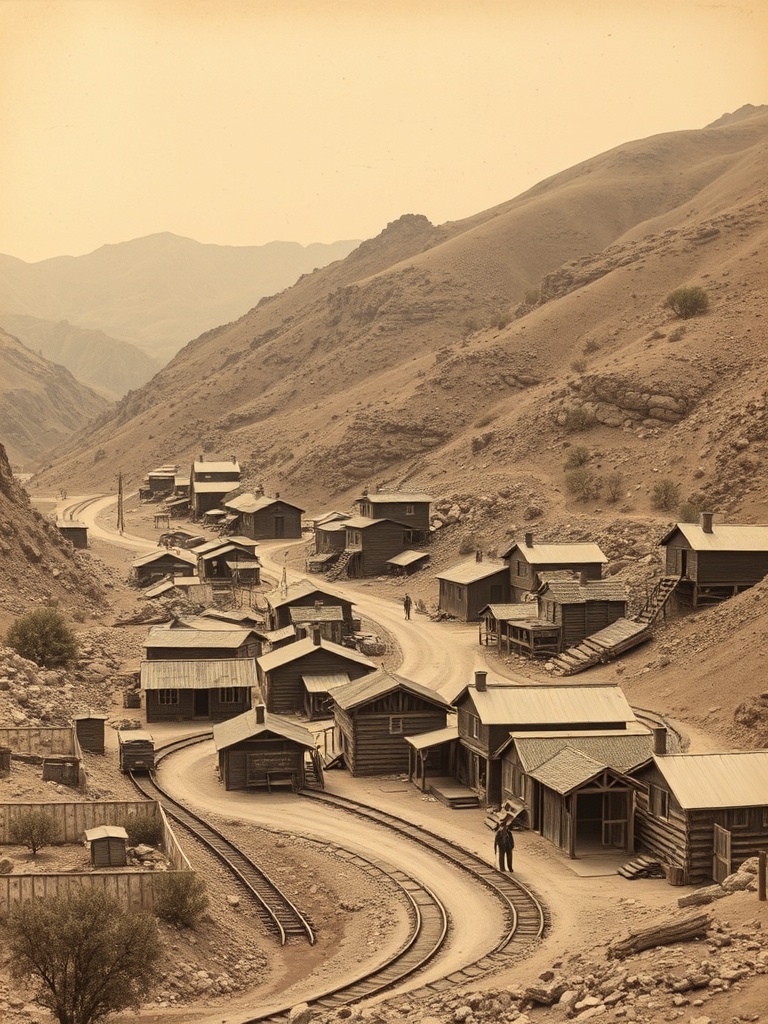
The legacy of a mining town is visible in scarred landscapes, preserved machinery, and tight-knit neighborhoods.
Those physical reminders can become assets. Heritage tourism draws visitors who want to explore mine tours, railways, and museums that tell the story of labor, technology, and migration. When managed thoughtfully, tourism generates jobs while funding conservation of historic structures.
Environmental remediation is a critical piece of the puzzle. Abandoned mines can create water contamination, unstable ground, and damaged ecosystems.
Modern remediation techniques—phytoremediation, passive treatment systems, and targeted soil stabilization—can reduce long-term liability and restore land for new uses. Pairing cleanup with green infrastructure projects, such as wetlands restoration or community parks, turns environmental liabilities into amenities that improve quality of life and attract investment.
Economic diversification reduces dependence on resource cycles. Successful strategies include:
– Adaptive reuse: converting warehouses, mills, and company buildings into co-working spaces, artisanal workshops, or hospitality venues.
– Clean energy projects: siting solar, wind, or battery storage on reclaimed lands provides jobs and recurring revenue without heavy environmental impact.
– Small business ecosystems: incubators, maker spaces, and training programs help residents build skills relevant to technology, construction, and tourism.
Technology plays a paradoxical role.
Automation and remote monitoring have reduced local mining employment, but broadband and remote-work trends make it possible for professionals to live in former mining towns while working globally. Prioritizing high-speed internet and modern amenities is essential to attract new residents without erasing local character.
Community-led planning ensures change benefits residents. Top-down redevelopment often neglects social capital; inclusive approaches—community advisory boards, local hiring quotas, and neighborhood investment funds—create ownership and prevent displacement. Cultural preservation programs can protect folk traditions, language, and festivals, turning intangible heritage into an economic and social asset.
Visitors interested in mining towns should approach with respect. Look for guided tours offered by local museums or historical societies, adhere to safety warnings around old infrastructure, and choose local businesses for dining and lodging to maximize economic benefits for the host community.
Photography can help document architecture and landscapes, but avoid trespassing or disturbing sites that are still undergoing remediation.
Policymakers and investors have a role: fund long-term environmental cleanup, incentivize adaptive reuse through tax credits and grants, and support workforce retraining programs that align with regional strengths. Public-private partnerships can leverage expertise and capital while keeping community voices front and center.
Mining towns are not relics frozen in time. They are living communities with stories to preserve and futures to build. By combining environmental restoration, smart reuse of historic assets, and investments in connectivity and skills, these places can transform from single-industry dependence into diversified, resilient towns that honor the past while embracing new opportunities.