Access and reservations
Park management has adopted timed-entry and reservation systems during busy periods to protect sensitive resources and improve visitor experience.
Before you go, check the official park and public-lands websites for current reservation requirements, entry fees, and any trail or road closures.
Arriving early or later in the day helps avoid the biggest crowds and gives you the best light for photography.
Top things to do
– Delicate Arch: The walk to this iconic freestanding arch is a moderately strenuous route across slickrock with dramatic payoff at the final viewpoint. Sunrise or sunset brings the best colors and fewer people.
– Devil’s Garden: A network of trails and fins leads past several notable arches and rock formations. Options range from short walks to longer scrambles for adventurous hikers.
– Scenic overlooks: Multiple pullouts along park roads offer panoramic views of fins, balanced rocks, and distant canyon country — ideal for short stops and photos.
– Slickrock Trail and Sand Flats Recreation Area: A world-class mountain-biking playground and off-road riding area just outside the park, known for its technical, undulating slickrock. Expect day-use fees and high demand on weekends.
– Off-road exploration and backcountry routes: Surrounding BLM lands provide extensive four-wheel-drive and hiking opportunities. Know the route difficulty, bring recovery gear for remote tracks, and register plans when possible.
Safety and comfort
– Hydration and sun protection: Desert conditions can be extreme. Carry abundant water (more than you think you’ll need), sun protection, and electrolytes.
There is limited shade on many trails.
– Footwear and navigation: Sturdy shoes with grip for slickrock and loose sand are essential. Trails can be exposed and route-finding may be tricky where cairns or primitive paths are used.
– Weather and flash floods: Thunderstorms can cause sudden flooding in canyons and washes. Monitor forecasts and avoid narrow slot canyons when storms are nearby.
– Cell coverage and services: Expect limited or no cell service in many park areas. Download maps and trail info, and tell someone your plans.
Responsible visitation
– Stay on established trails to protect cryptobiotic soil and fragile desert plants.
– Pack out what you pack in. Even biodegradable items can disrupt the ecosystem.
– Respect wildlife and keep a safe distance. Do not feed animals.
– Observe road and access restrictions; they’re often in place to protect cultural sites and habitat.
Where to stay and logistics
Moab town offers a full range of lodging, campgrounds, restaurants, and outfitters. Reserve popular services and campsites early when you can, and use local outfitters for guided tours, shuttle services, and specialized activities like canyoneering or guided photography trips.
Photography tips
Golden hours around sunrise and sunset emphasize the red and orange tones of the rock.
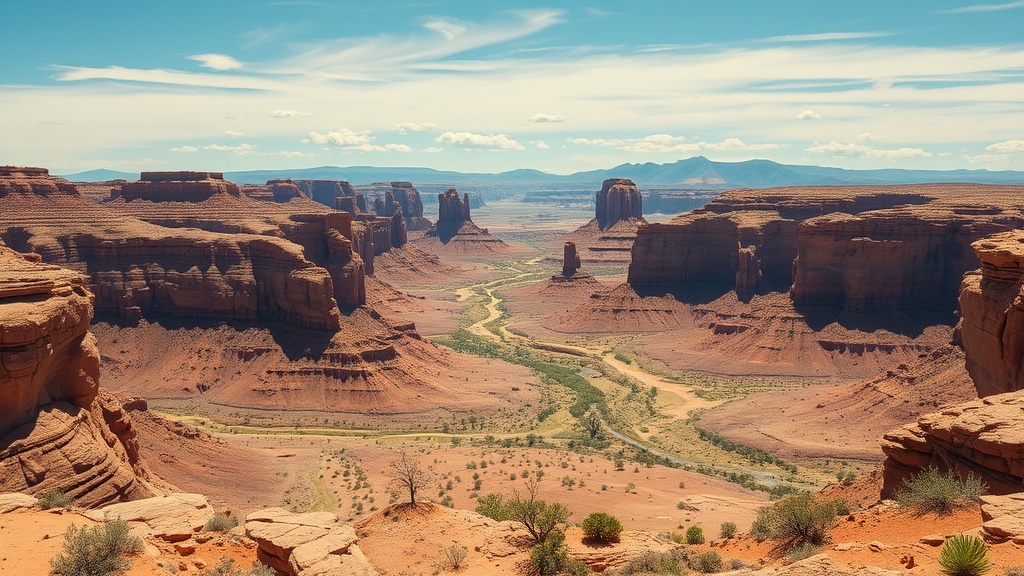
Use a wide-angle lens for vast landscape shots and a mid-telephoto to isolate arch frames. Bring a tripod for low-light scenes.
Enjoying Moab’s parks is about balancing discovery with responsibility. With prudent planning, respect for fragile landscapes, and attention to safety, you’ll be rewarded with one of the most striking natural backdrops on the planet. Check official park and public-lands resources before heading out to confirm current conditions and reservation rules.