Follow practical tips to make the most of the state’s natural treasures while protecting them for future visitors.
Top places to experience
– Yellowstone National Park and Grand Teton National Park anchor the region’s must-see attractions, with geothermal features, iconic peaks, and abundant wildlife.
– The Wind River Range offers rugged alpine terrain and classic backpacking routes for experienced hikers.
– The Bighorn Mountains blend forested trails and scenic drives with quieter campgrounds.
– For solitude, head to lesser-known spots like the Red Desert or high-country basins accessible by forest roads and foot trails.
Wildlife: enjoy and respect
Encountering bison, elk, moose, bears, and wolves can be the highlight of a trip, but safety and respect are essential. Keep a generous distance from all wildlife—use binoculars or a zoom lens for photos. Never approach or feed animals, and store food in secure containers while camping. Follow posted guidelines in parks and on public lands to reduce stress on animals and avoid dangerous conflicts.
Trail etiquette and Leave No Trace
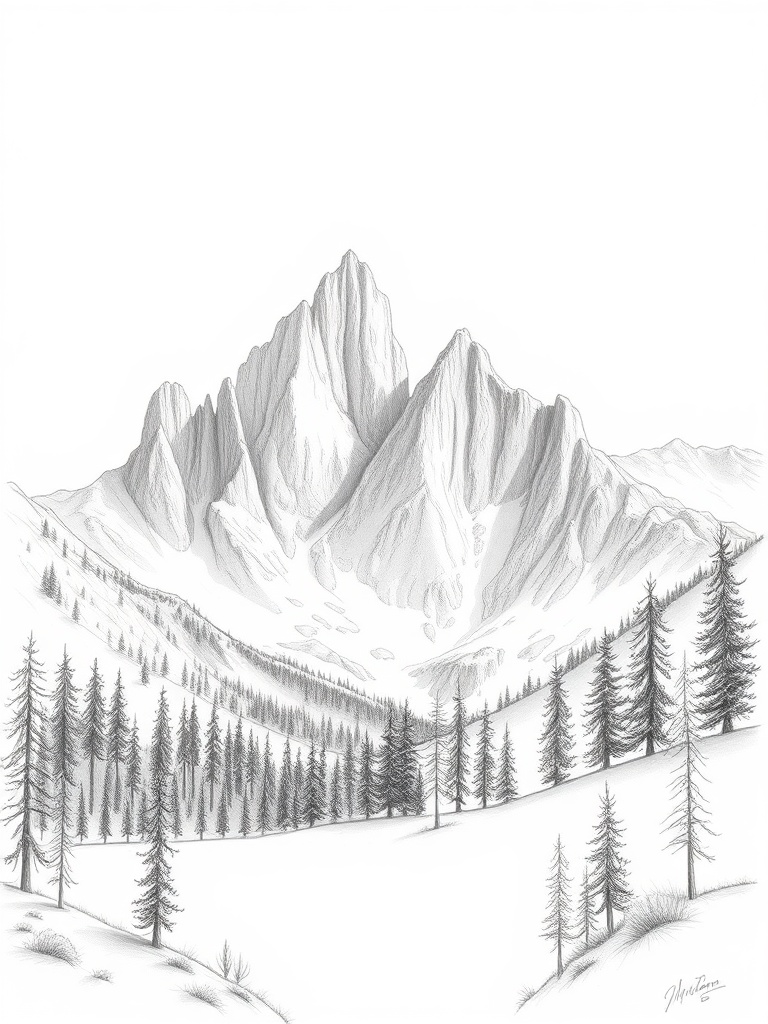
Trails can range from paved boardwalks around geothermal areas to rugged singletrack in alpine zones. Pack for variable conditions and practice Leave No Trace: pack out trash, stay on designated trails, and avoid disturbing vegetation or cultural sites. When encountering horses or stock animals, step off the trail and speak calmly so animals aren’t startled.
Backcountry planning and permits
Many high-country routes require careful planning: route finding, navigation skills, and knowledge of current trail conditions are essential. Check local forest service or park websites for permit requirements, trail closures, and fire restrictions. For anglers, purchasing the correct fishing license and checking local regulations helps protect fish populations and habitat.
Fire safety and seasonal awareness
Wildfires and changing weather patterns can affect access and safety. Stay informed about fire restrictions, campground closures, and avalanche risk in snowy months.
Choose campfire locations responsibly and follow official guidance—some areas may have strict rules or temporary bans to protect landscapes and communities.
Responsible recreation off-road
Wyoming’s network of dirt roads and motorized trails appeals to off-road enthusiasts. Stick to established tracks, avoid wetlands and fragile soils, and respect private property. Off-road travel can accelerate erosion and damage sensitive habitats if done irresponsibly.
Support local communities
Small towns and gateway communities are integral to the Wyoming experience. Choose locally owned lodging, restaurants, guiding services, and outfitters to contribute directly to local economies.
Book services early during peak seasons to support small-business operators who maintain trail access and visitor services.
Stargazing and dark-sky experiences
Wide horizons and low light pollution make Wyoming ideal for stargazing. National and state parks, along with remote camping areas, offer unforgettable night skies. Bring a red-light headlamp to preserve night vision and minimize disturbance for wildlife and other visitors.
Wyoming’s landscapes reward curiosity and careful planning.
By traveling with respect—following regulations, minimizing impact, and supporting local communities—you’ll help ensure those wide-open spaces remain wild and welcoming for everyone who comes to explore.