What to expect
– Dramatic sandstone arches, spires and canyon rims framed by wide desert skies.
– A mix of short viewpoint stops and strenuous backcountry hikes.
– Popular recreation: hiking, mountain biking, rock climbing, canyoneering, 4×4 and UTV trails.
– Variable conditions: hot, dry days; big temperature swings between day and night; flash flood risk in slot canyons.
Park access and permits
Arches and Canyonlands are day-use areas with entrance fees and rules to protect sensitive landscapes.
During busy periods, timed-entry reservations or limited permits may be required for certain attractions and activities — check the official park websites or visitor centers before you go. Backcountry and overnight stays typically require a permit. For special experiences like guided canyoneering or visits to restricted areas, use a permitted guide service.
Top trails and viewpoints
– Arches: Short, rewarding hikes lead to Delicate Arch viewpoint and Balanced Rock; longer routes explore Devils Garden and remote arch concentrations. Some areas require scrambling over slickrock.
– Canyonlands (Island in the Sky): Mesa-top overlooks offer vast canyon panoramas. Trails range from short walks to full-day treks with significant exposure.
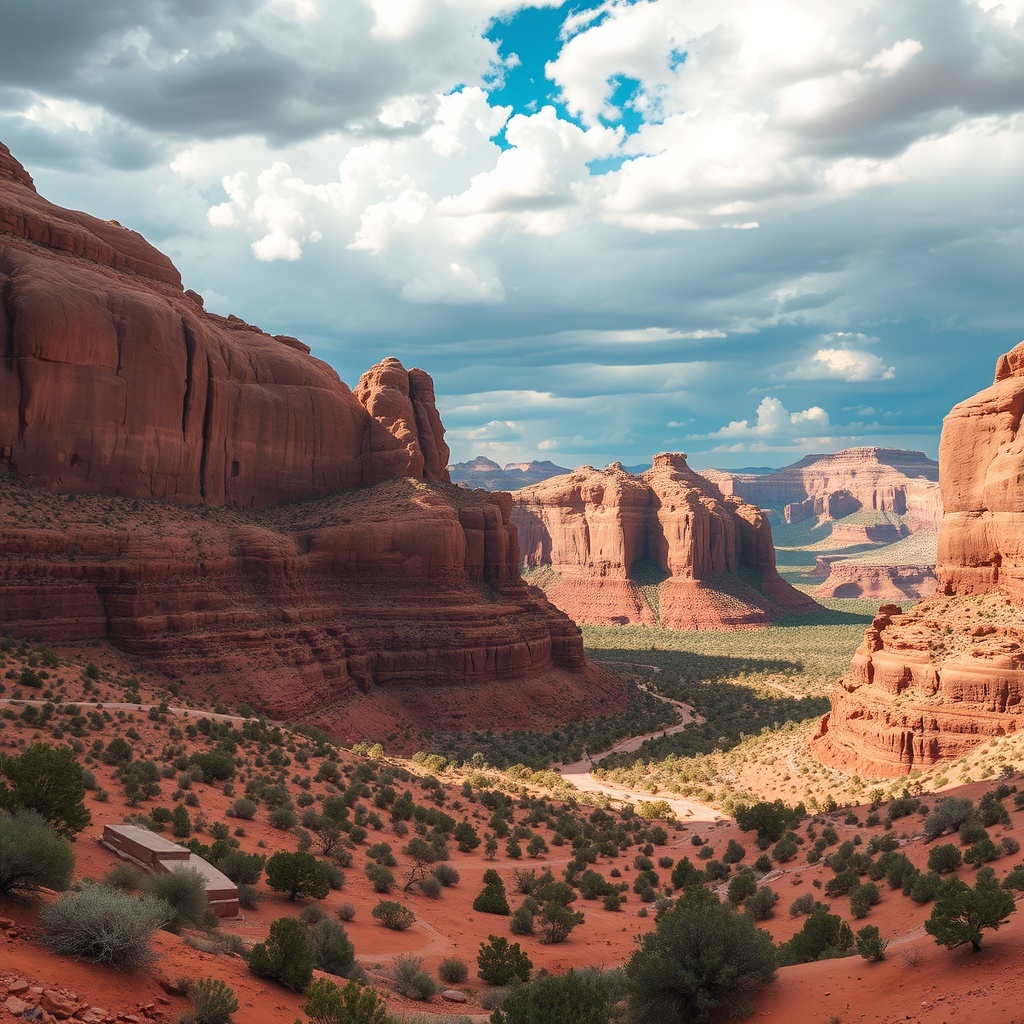
– Sand Flats Recreation Area: Slickrock Bike Trail attracts mountain bikers from around the world — it’s technical and exposed in spots.
– Dead Horse Point State Park (nearby): Superb photo viewpoints at sunrise and sunset without the long hikes.
Safety and trail etiquette
– Water is essential: carry more than you think — at least one liter per hour in hot conditions for strenuous activity.
– Navigation: trail signs can be sparse. Bring a map, GPS, or a downloaded offline map; mark your vehicle location for return.
– Flash floods: avoid narrow washes and slot canyons when thunderstorms are forecast. Even distant storms can funnel water through canyons.
– Rockfall and exposure: stay off cliff edges, especially after rain when surfaces are slippery.
– Pets: many park trails have restrictions; keep dogs leashed where allowed.
Gear and local services
Moab’s town is a hub for rentals, guided trips and outdoor shops. Rent a mountain bike, UTV or climbing gear rather than bringing everything. Guided options are recommended for technical canyoneering or unfamiliar 4×4 routes.
Leave No Trace and stewardship
High visitation can stress delicate cryptobiotic soils and vegetation. Stay on designated trails, avoid stepping on crusty soils, pack out all waste, and follow restroom rules. In dispersed camping areas on public lands, practice low-impact camping: use established sites when possible and minimize campfire impacts. Respect closures and restoration areas to help preserve the landscape for future visitors.
Timing your visit
Mornings and late afternoons deliver cooler temperatures and better light for photography. Weekdays and shoulder-season conditions tend to be less crowded, while popular overlooks and trailheads fill early on peak days. Sunrise and sunset are prime for photos, but plan logistics and parking accordingly.
Final note
Moab’s parks are unforgettable when approached with preparation and respect. Plan ahead for permits and conditions, bring appropriate water and navigation gear, and choose experiences that match your skill level. The landscape rewards those who come equipped, leave no trace, and take time to look closely at the geology and quiet places that define this remarkable corner of the American Southwest.