Mining towns have long been symbols of rapid wealth and sudden decline. Today, many communities are navigating transitions from extractive economies toward more resilient, diversified futures.
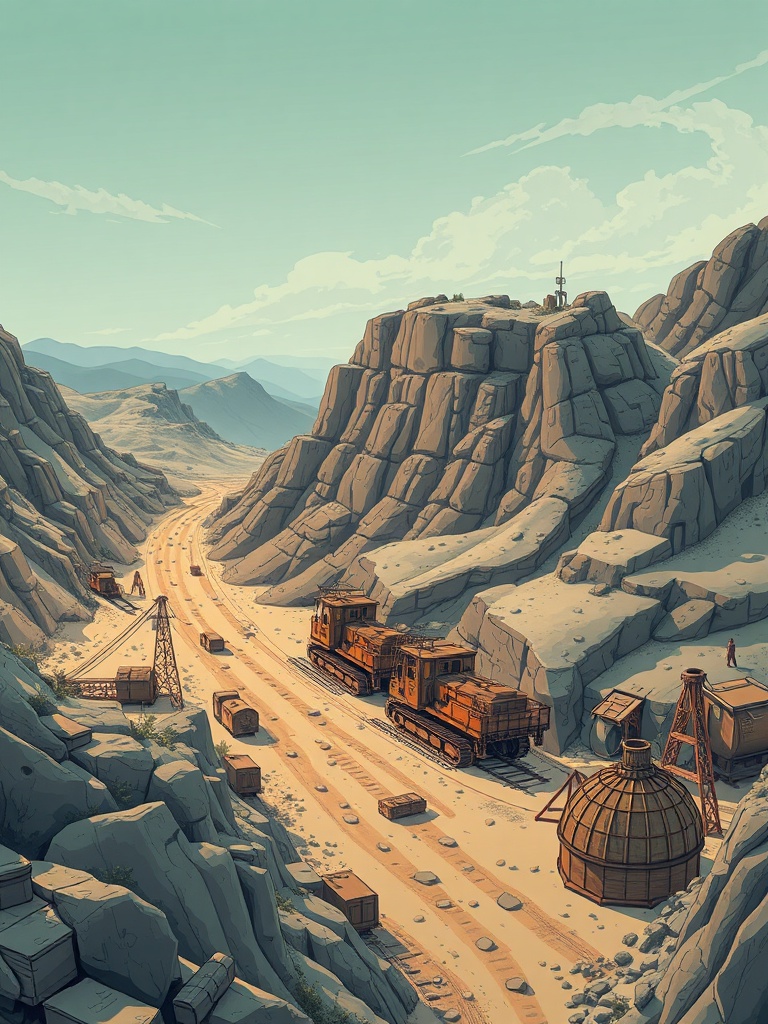
Understanding the challenges and opportunities that shape this evolution is essential for local leaders, investors, and residents who want mining towns to thrive beyond the mine life.
Economic diversification: beyond extraction
Relying on a single industry leaves towns vulnerable when resource prices drop or deposits are exhausted. Successful strategies focus on diversifying local economies by promoting small business incubators, supporting remote work infrastructure, and attracting light manufacturing or logistics hubs. Incentives for entrepreneurs, streamlined permitting, and partnerships with regional economic development agencies help convert seasonal or cyclical income into steady employment.
Heritage tourism and cultural assets
Many former mining towns possess rich industrial heritage, historic architecture, and unique stories that attract visitors. Investing in museums, guided tours, interpretive trails, and festivals turns mining history into an economic asset.
Authenticity matters: preserving mining-era structures, telling worker-focused stories, and involving former miners in interpretation enhances visitor experience and supports local crafts and hospitality sectors.
Environmental remediation and land reuse
Addressing environmental legacies—contaminated soils, tailings, and altered landscapes—is often a prerequisite for redevelopment.
Modern remediation techniques and funding mechanisms enable reuse of former industrial sites for parks, solar farms, or mixed-use developments. Public-private partnerships and federal or regional grant programs can finance cleanup, while community input ensures redevelopment aligns with local priorities.
Housing, healthcare, and quality of life
Retaining and attracting residents requires attention to housing affordability, healthcare access, education, and public amenities.
Adaptive reuse of mining housing, investments in telehealth and broadband, and collaboration with educational institutions create a foundation for long-term livability. Small towns that prioritize walkable downtowns, arts programming, and green spaces often see improved resident retention and stronger civic pride.
Community engagement and workforce transition
Successful transitions depend on meaningful community engagement and workforce retraining. Programs that translate mining skills—such as heavy equipment operation, welding, and logistics—into new industry credentials accelerate reemployment. Apprenticeships, community college partnerships, and local hiring agreements keep economic benefits circulating within the region.
Renewable energy and new industries
Former mine sites can become ideal locations for renewable energy projects, battery recycling, and critical minerals processing. Repurposing existing infrastructure—roads, transmission lines, and industrial footprints—lowers costs for new ventures.
Supporting clean energy development offers both jobs and a way for mining towns to lead in sustainable industry practices.
Preserving social fabric and mental health
Economic change can strain social networks and mental health. Investing in community centers, counseling services, and inclusive planning processes helps preserve social fabric. Celebrating local culture, honoring labor history, and promoting intergenerational dialogue reduce tension and encourage collaborative futures.
Funding and policy levers
Access to capital is a major bottleneck. Grant programs, tax incentives, opportunity zones, and community development financial institutions can unlock projects that private capital won’t immediately fund.
Advocates should pursue layered financing strategies and engage policymakers to secure flexible, long-term support.
A resilient future for mining towns is achievable through strategic planning, community-led decision making, and creative reuse of physical and cultural assets. By combining economic diversification, environmental stewardship, and investments in quality of life, former mining hubs can become vibrant places that honor their past while creating a sustainable, inclusive future.