Yellowstone is one of the planet’s most remarkable landscapes: a living laboratory of geothermal activity, wide-open valleys where wildlife roams, and dramatic canyons carved by ancient forces. Whether you’re drawn by geysers, wildlife photography, or backcountry solitude, a little preparation makes a big difference.
Geothermal highlights worth seeing
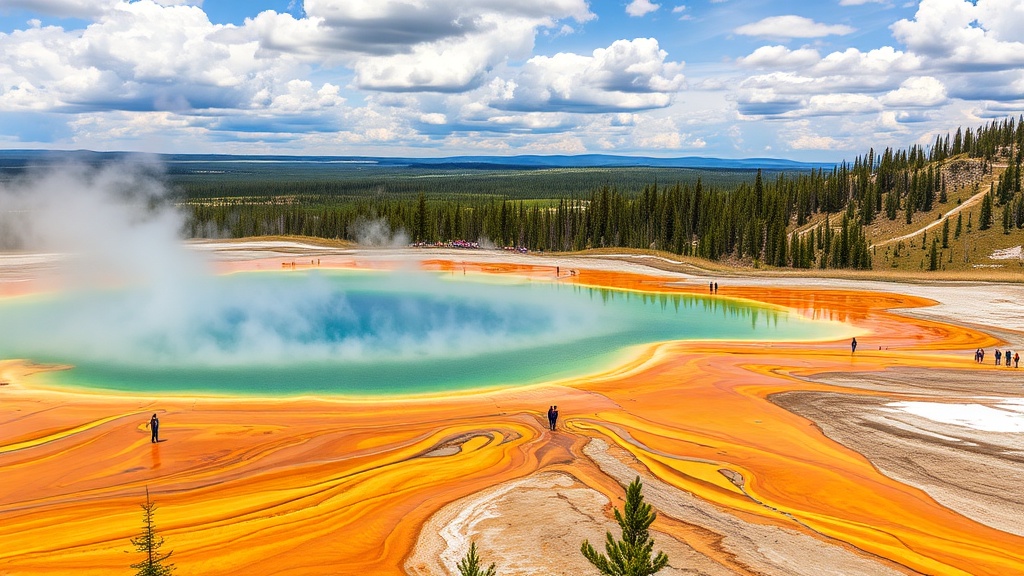
Yellowstone’s geothermal features are the main attraction for many visitors. Geysers erupt with theatrical timing, hot springs glow vivid blues and oranges, and mud pots bubble with otherworldly texture. Must-see areas include the iconic cone geysers, expansive spring basins with rainbow hues, and centrally located boardwalks that provide safe, close-up views.
When planning stops, allow time to walk the boardwalks—some of the best colors and quiet moments are just a short stroll from parking areas.
Wildlife viewing: where and how to watch
The park is prime habitat for bison, elk, wolves, grizzly and black bears, bighorn sheep, and a host of bird species. For reliable wildlife viewing, early morning and late evening are prime times. Valleys with open grassland offer the best chance of spotting large mammals at a distance. Keep a long lens for photography; optical zooms let you capture behavior without disturbing animals.
Safety and etiquette (non-negotiable)
Respecting wildlife and geothermal features protects both visitors and the ecosystem. Stay on designated trails and boardwalks—thermal ground can be fragile and dangerously hot. Maintain a safe distance from animals: keep at least 25 yards away from most wildlife and at least 100 yards from bears and wolves. Never approach or feed animals. Use binoculars and telephoto lenses to observe from afar. Dispose of trash properly and secure food to avoid habituating animals to humans.
Practical tips for a smoother visit
– Beat the crowds: arrive early or visit less-visited basins to enjoy quieter viewing.
– Parking: popular pullouts fill quickly; plan for short hikes if necessary.
– Weather: conditions can change rapidly, so dress in layers and be prepared for sudden wind or rain.
– Cell service is limited; download maps and emergency info before entering remote areas.
– Permits: backcountry camping requires permits; check regulations and register if you plan overnight trips.
Conservation and ongoing science
Yellowstone is also a center for active scientific monitoring. Researchers track geothermal behavior, seismic activity, and wildlife populations to better understand natural cycles and threats. Conservation efforts focus on restoring native fish species, managing invasive species, and balancing visitor access with ecosystem protection. Park managers and partners use data-driven approaches to adaptively manage habitats, protect critical migration corridors, and respond to wildfire and climate-related impacts.
Photography and responsible recreation
Photographers should be patient and prepared: use a tripod for low-light shots, and respect quiet zones where wildlife may be feeding or resting. Drones are not permitted and can disturb animals and other visitors. Leave no trace—pack out what you pack in, stay on established routes, and minimize campfire impacts where fires are allowed.
Yellowstone rewards slow, respectful exploration. Take time to listen to the steam hiss, watch a sunrise over a thermal basin, and observe animals from a distance. Planning ahead, following safety guidelines, and supporting conservation measures ensure these wonders remain intact for future visitors.