Yellowstone National Park remains one of the most spectacular landscapes to explore, offering dramatic geothermal features, abundant wildlife, and wide-open ecosystems. Whether planning a first visit or returning for more discoveries, a few practical tips and safety reminders will help maximize the experience while protecting this fragile environment.
Must-see geothermal highlights
– Old Faithful: Iconic and accessible, Old Faithful is easy to plan around thanks to predictable eruptions and nearby visitor facilities.
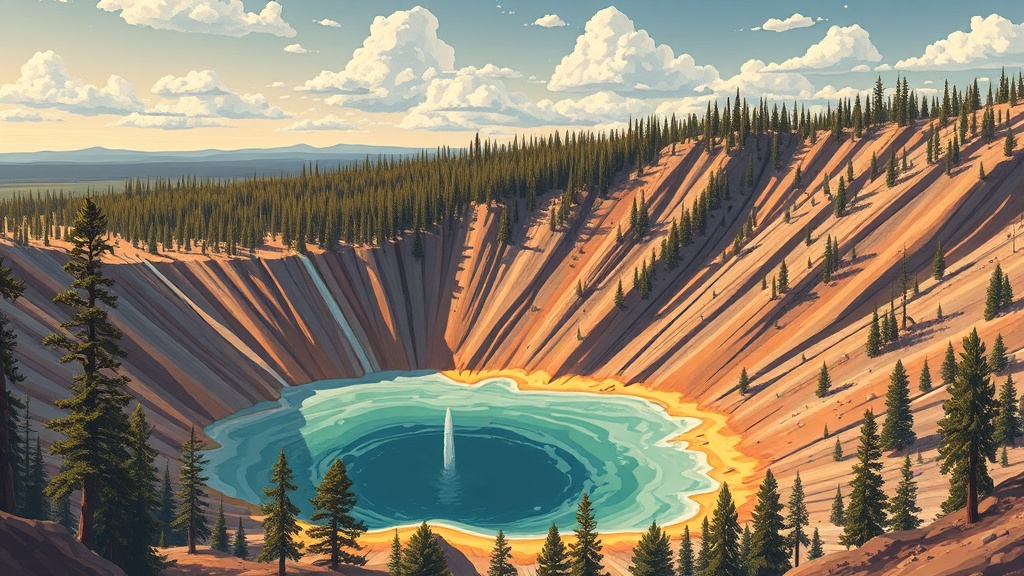
– Grand Prismatic Spring: The vivid blues, greens, and rust tones are created by heat-loving microbes and mineral-rich water; the best views come from the boardwalk and the overlook on the nearby trail.
– Norris, Mammoth, and West Thumb: Each thermal basin has unique formations — from delicate silica runoff to steaming fumaroles — and showcases the park’s extreme geothermal diversity.
Wildlife viewing and safety
Yellowstone hosts large mammals including bison, elk, moose, wolves, and bears. Observing animals from a safe distance keeps both visitors and wildlife safe. Maintain at least 25 yards (23 meters) from most wildlife and at least 100 yards (91 meters) from bears and wolves.
Never approach animals for photos, never feed wildlife, and use binoculars or a telephoto lens for close-up views.
Vehicle-based viewing is common, but stay inside your car if animals are near the road. Be prepared for “wildlife jams” — slowdowns caused by motorists stopping to watch animals — and respect traffic laws and pullouts.
Thermal area precautions
Thermal features are fragile and dangerous.
Boardwalks and marked trails exist to protect visitors and delicate microbial mats; leaving the trail risks fatal burns and damages the ecosystem. Do not touch, bathe, or collect from hot springs or pools. Children and pets should be closely supervised at all times; pets are restricted in many areas and are never allowed on boardwalks near thermal features.
Photography tips
– Golden hours around sunrise and sunset offer soft light and fewer crowds.
– A telephoto lens is useful for wildlife; a wide-angle lens captures vast geothermal landscapes.
– A polarizing filter can reduce glare on water surfaces and enhance color saturation.
– Be patient and respectful: long waits often yield better animal behavior and cleaner compositions.
Practical planning advice
– Elevation matters: much of Yellowstone sits at high elevation, which can affect weather and physical exertion. Layered clothing and hydration are essential.
– Expect variable weather and short-season road or facility closures; check official park alerts before travel.
– Leave No Trace practices apply: pack out trash, minimize noise, and camp only in designated areas.
– Food storage: use bear-resistant lockers or containers where provided, and follow campsite guidelines to prevent wildlife encounters.
Conservation and stewardship
Yellowstone’s geothermal systems and wildlife require ongoing protection.
Visitors can help by staying on designated paths, reporting hazards to park staff, and supporting conservation efforts through responsible tourism.
Respecting rules isn’t just etiquette — it preserves the park’s wonders for future visitors and the species that depend on these habitats.
Experience Yellowstone with curiosity and caution.
Staying informed, prepared, and respectful allows the park’s geysers, hot springs, and wild inhabitants to thrive while creating lasting memories for everyone who visits.