Know the altitude and how to handle it
Many Colorado destinations sit well above 8,000 feet, and some popular peaks and passes are much higher.
Altitude can affect sleep, energy and breathing. Reduce risk of altitude sickness by:
– Hydrating well before and during your trip.
– Ascending gradually when possible; spend a night at an intermediate elevation.
– Limiting alcohol and heavy exertion during your first 24–48 hours above 8,000 feet.
– Recognizing symptoms—headache, nausea, dizziness—and descending if they worsen.
Wildfire awareness and seasonal restrictions
Dry conditions and high winds make wildfire risk a constant consideration. Campfire bans, closed areas, and temporary trail restrictions are commonly implemented during high-risk periods. Check local land-management agencies for alerts before you leave, follow posted rules, and carry a small shovel or fire extinguisher if camping in permitted areas.
Permits, timed-entry and trail crowding
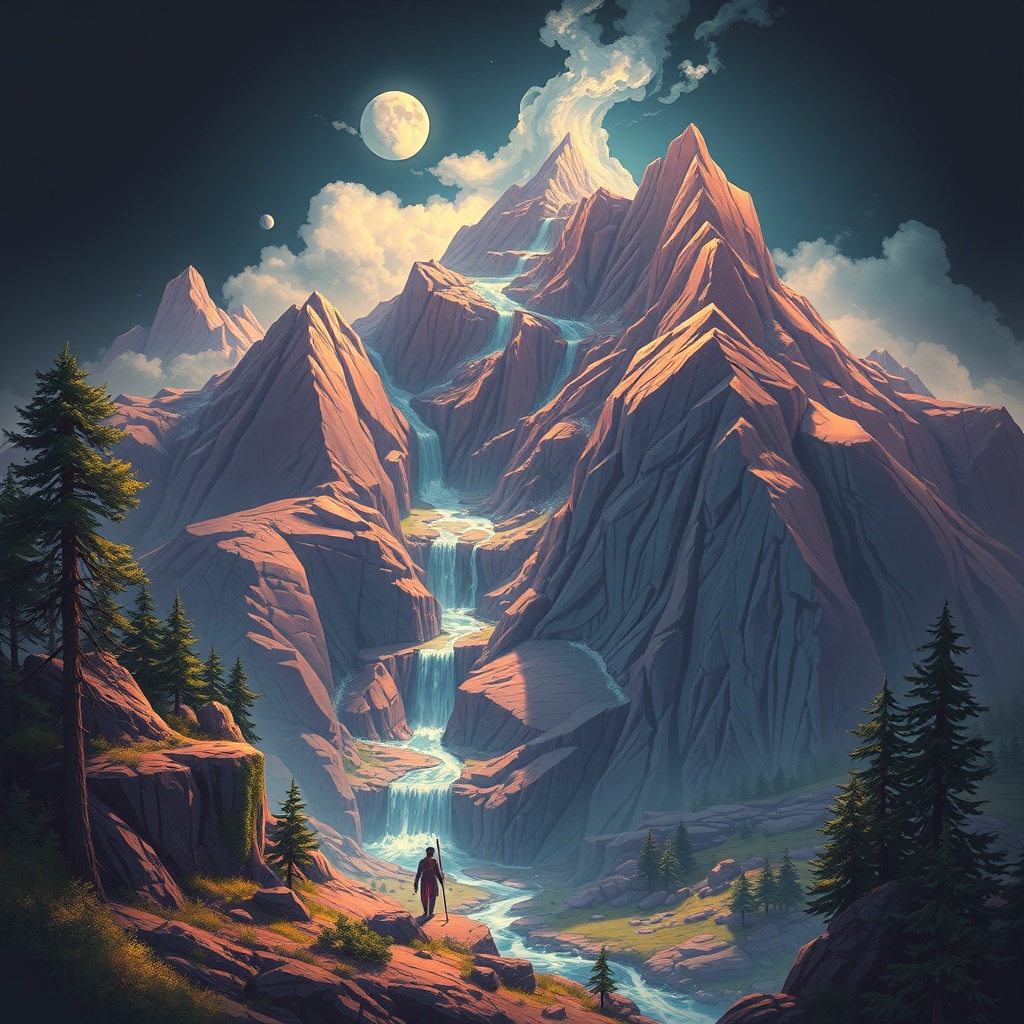
Some iconic spots use permit systems or timed-entry reservations to protect fragile environments and manage visitor numbers.
Trailheads near major attractions and access roads to popular alpine lakes may require pre-booked passes, shuttle use, or limited parking. Plan ahead—secure necessary permits and arrive early to avoid busy midday peaks.
Leave No Trace and responsible recreation
Colorado’s ecosystems are sensitive. Practicing Leave No Trace principles preserves views, wildlife habitat and water quality:
– Pack out all trash and human waste where required.
– Stay on designated trails to reduce erosion.
– Respect wildlife—observe from a distance and never feed animals.
– Use a camp stove instead of an open fire when restrictions apply.
Travel beyond the trail
Mountain towns offer rich cultural experiences—breweries, farm-to-table restaurants, arts festivals, and historic downtowns. Ski resorts evolve beyond winter slips and slides with year-round offerings: mountain biking, scenic gondolas, and alpine events. Explore small towns like those in the Roaring Fork and San Juan regions for local crafts, hot springs, and quieter trails.
Cannabis laws and etiquette
Cannabis is legally regulated for adult use, but local rules shape where consumption is allowed. It remains illegal on federal lands, in public spaces, and in many lodging properties. Respect private property, obey posted restrictions, and avoid using cannabis near children or where it could affect others on shared trails.
Practical packing checklist
– Layered clothing for rapidly changing weather
– Sunscreen and sunglasses (UV is stronger at altitude)
– Sturdy footwear and trekking poles for steep terrain
– Plenty of water and a reliable filter or purification method
– Map, compass or GPS device and spare batteries
– First-aid kit and emergency shelter
With thoughtful planning and respect for fragile mountain environments, Colorado offers endless opportunities for adventure and relaxation. From high-alpine hikes to lively town centers, approaching the state with safety and stewardship in mind ensures memorable experiences that benefit both visitors and the landscapes they love.