Why Colorado stands out
High mountains, diverse ecosystems, and abundant public lands create options for every interest and skill level. Front-range hikes are accessible for quick escapes, while high-country routes deliver solitude and expansive views. Rivers and reservoirs provide summer recreation, and town-based festivals, craft breweries, and cultural scenes add options when the weather changes.
Seasonal activities (and what to watch for)
– Spring: Snowmelt opens trails and rivers. Expect muddy approaches and fluctuating stream crossings. Road and trail conditions can change quickly; microspikes may be useful at higher elevations.
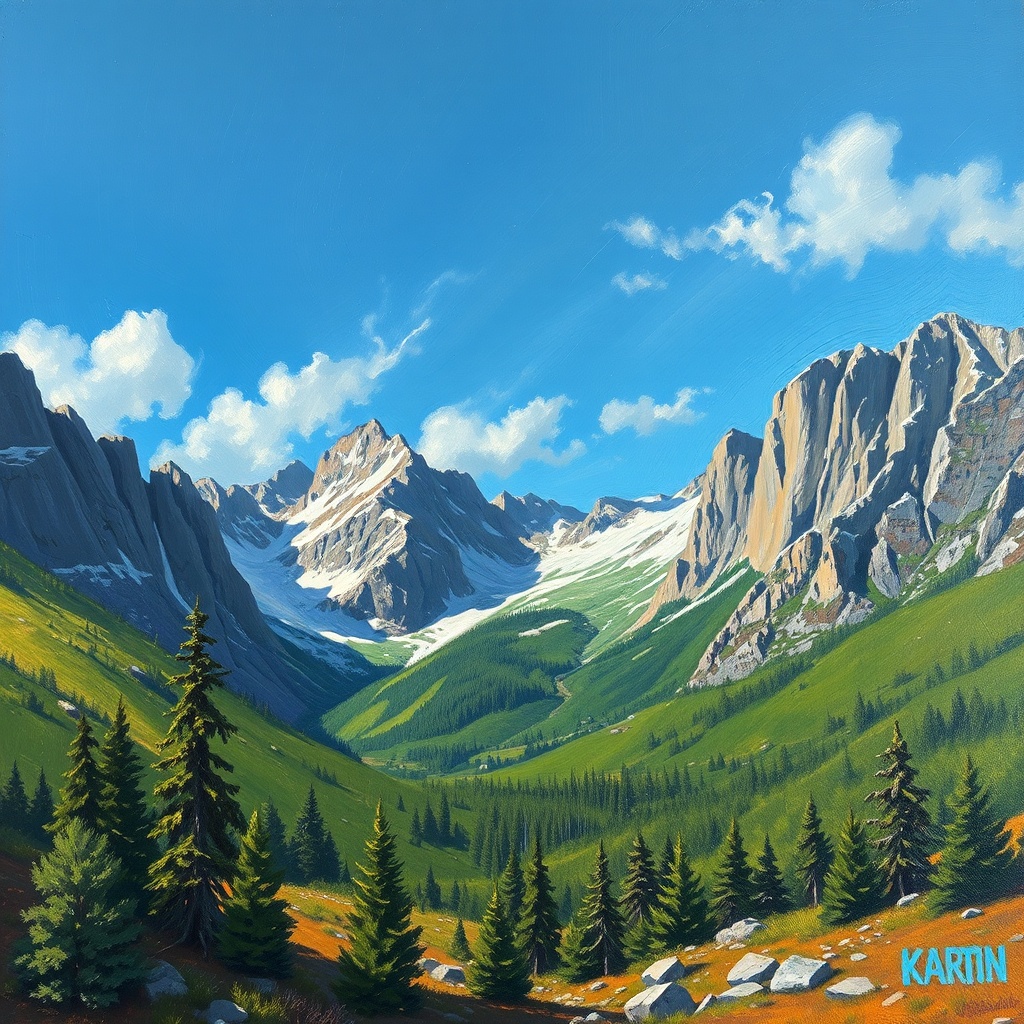
– Summer: Peak season for hiking, mountain biking, rafting, and camping. Afternoon thunderstorms are common—start early on exposed routes and watch for lightning.
– Fall: Cooler days and vivid aspen displays make fall ideal for hikes and scenic drives. Hunting seasons and elk migrations can affect trail use in some areas—check local closures.
– Winter: Skiing, snowboarding, snowshoeing, and winter climbing are plentiful.
Avalanche danger increases in steep terrain after storms; carry proper rescue gear and training for backcountry travel.
Altitude and personal safety
Many visitors underestimate how altitude affects the body. Even moderate exertion feels harder at elevation.
Key precautions:
– Hydrate before and during activity; low humidity increases fluid loss.
– Ascend gradually when possible and limit heavy exertion on the first day.
– Watch for headache, nausea, dizziness, or fatigue—symptoms of altitude illness—and descend if they worsen.
– Protect skin and eyes: high elevation and reflective snow amplify UV exposure. Broad-spectrum sunscreen and UV-blocking sunglasses are essential.
Wildlife and Leave No Trace
Respect wildlife by keeping a safe distance and storing food properly—bears and small mammals are attracted to campsites.
Follow Leave No Trace principles: pack out all trash, avoid cutting switchbacks, and camp on durable surfaces. Dogs are welcome in many places but must often be leashed; check regulations for wilderness areas and public lands.
Fire and avalanche awareness
Wildfire risk can elevate quickly during dry spells; obey fire restrictions, never leave fires unattended, and ensure full extinguishment. In winter, learn current avalanche forecasts before entering backcountry slopes, carry a beacon, shovel, and probe, and consider a guided trip if new to avy terrain.
Permits, regulations, and community etiquette
Many popular trailheads and wilderness areas require permits or timed-entry reservations—check federal and state land-management sites before you go. Support local economies by using established campgrounds, hiring local guides, and respecting private property boundaries.
Packing smart
Essentials for Colorado outings include layered clothing, navigation tools (map, compass, or reliable GPS), extra food and water, first-aid kit, and emergency shelter. Tailor technical gear—ice traction, avalanche kit, dry bags—to the season and route difficulty.
Plan thoughtfully and leave places better than you found them. With sensible preparation, awareness of local conditions, and respect for natural systems, Colorado’s trails, rivers, and peaks deliver memorable experiences throughout the seasons.