Why Colorado beer tastes distinct
Water matters.
Many Colorado breweries draw from Rocky Mountain sources, and the mineral content influences mash chemistry and mouthfeel.
Altitude plays a role too: lower boiling points at higher elevations affect hop utilization and evaporation. Brewers adapt with recipe tweaks — slight changes to hop additions, mash schedules, and fermentation management — to deliver the intended balance of bitterness, aroma, and body. The result is a regional flavor profile that can make hop-forward IPAs feel bright and fresh, and lagers clean and crisp.
Trends worth seeking out
Colorado brewers are restless in a good way. Hazy New England–style IPAs remain popular for their juicy, aromatic hop character, while West Coast-style IPAs still attract purists who favor pine and resin notes. Lagers and crisp pilsners are enjoying renewed interest as drinkers look for sessionable options after long outdoor adventures. Barrel-aging programs persist in many taprooms, producing boozy stouts, funky sours, and mixed-fermentation saisons that showcase oak and wild yeast complexity. Sustainability initiatives are increasingly visible: solar arrays, water-reclamation systems, and spent-grain partnerships with local farms are common as breweries aim to shrink their environmental footprint.
Taproom culture and visitor tips
Taprooms are designed for lingering. Expect outdoor patios, live music, food trucks, and dog-friendly spaces. Many breweries offer flights — a smart way to taste several styles without overdoing it. Keep these practical tips in mind:
– Pace yourself. Altitude can make alcohol feel stronger; hydrate between pours and pair beer with food.
– Order a flight to sample widely before committing to a pint.
– Check for brewery passport programs or trail maps that bundle visits across neighborhoods or regions.
– Use public transit, rideshares, or designated drivers, especially when visiting multiple stops.
Pairings that showcase local flavor
Colorado’s culinary scene pairs well with its beer.
Hazy and fruity IPAs match spicy dishes and Southwest flavors like green chile. Rich stouts and barrel-aged beers stand up to chocolate desserts and aged cheeses. Crisp lagers and pilsners complement grilled trout, lighter salads, and citrus-forward dishes. For game meats such as elk or bison, brown ales and porters provide a pleasing balance.
Planning a brewery trip
Build an itinerary around neighborhoods known for their brewery density — urban districts offer short walks between taprooms, while mountain towns combine scenic views with tasting rooms. Look for breweries that prioritize outdoor seating to enjoy sunshine and mountain breezes.
Many breweries publish rotating tap lists online; check menus ahead to avoid disappointment on days a sought-after release is tapped.
The lasting appeal
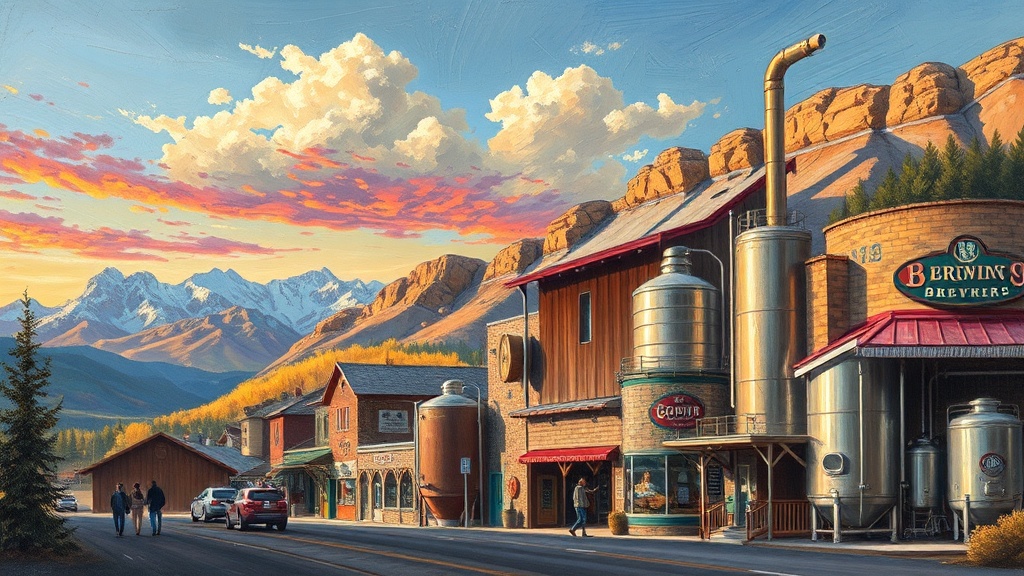
Colorado breweries deliver more than beer; they offer a sense of place. Whether you’re chasing a crisp lager after a hike or sampling a barrel-aged sour at a cozy taproom, the state’s brewing scene remains a vibrant mix of tradition and innovation. Explore with curiosity, drink responsibly, and enjoy how local ingredients and mountain influence shape every glass.