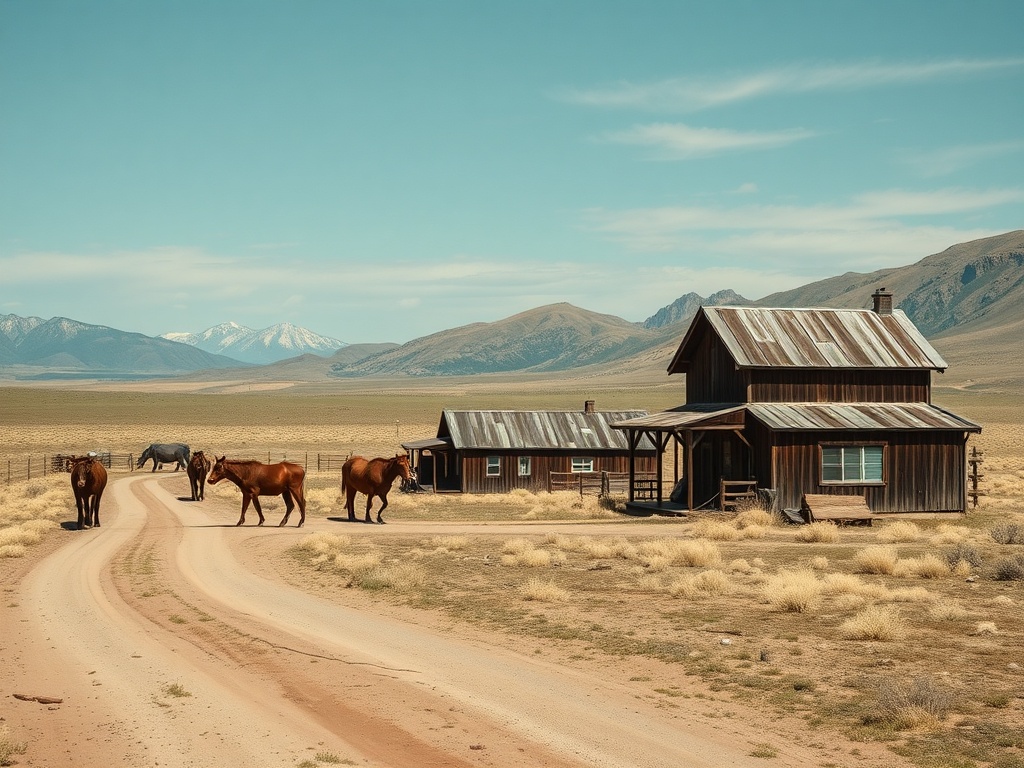
What defines a Wyoming ranch
Ranches here vary from high-country summer allotments to low-elevation, irrigated hay meadows. Many properties include private pastureland plus access to federal grazing allotments on public lands. Infrastructure typically ranges from barns and livestock handling facilities to wells, outbuildings, and seasonal housing. Winter access, water availability, and road maintenance are core considerations for year-round operations.
Ranching lifestyle and guest ranches
Working ranches focus on livestock production—primarily cattle—using grazing rotations, haying, and calving strategies adapted to Wyoming’s climate. Guest and dude ranches combine authentic ranch work with hospitality: guided trail rides, cattle drives, fly-fishing, and wildlife viewing. These operations often diversify revenue through lodging packages, corporate retreats, and event hosting, helping stabilize income through seasonal variability.
Conservation and stewardship
Many ranch owners adopt conservation easements and habitat-friendly practices to protect open space, safeguard water sources, and support species such as sage-grouse and elk. Conservation easements can lock in agricultural use while providing potential financial or tax incentives. Rotational grazing, riparian fencing, and prescribed burns are widely used to improve forage health, reduce invasive species, and enhance biodiversity.
Collaborating with local land trusts and federal agencies strengthens long-term ecological and economic resilience.
Regulatory and water considerations
Water rights are a cornerstone of ranch value—surface water, irrigation rights, and well permits can significantly affect usability and resale value. Grazing permits on federal land come with terms that influence herd size and seasonal use; understanding these contracts is crucial during due diligence. Local county records, state water offices, and federal agencies are primary sources for verifying rights and permit histories.
Practical buying tips
– Evaluate forage capacity and seasonal carrying ability rather than only acreage. A thousand acres of poor forage is not equivalent to a smaller, irrigated ranch.
– Inspect infrastructure: livestock pens, loading chutes, fencing condition, and winter shelter impact operating costs.
– Confirm legal access and road maintenance responsibilities, especially on remote properties.
– Work with brokers experienced in rural and agricultural real estate and consult local extension services for livestock- and pasture-specific guidance.
– Factor in ongoing costs: property taxes, hay production, equipment maintenance, and labor—seasonal help can be scarce.
Sustainability and modern upgrades
Solar power, improved water storage, and efficient irrigation can lower operating expenses and increase self-sufficiency. Investing in predator management, improved genetic stock, and humane handling facilities enhances herd health and marketability. Many ranches successfully blend traditional practices with modern technology to maintain productivity and attract guests.
Experience before you buy
Spend time on working ranches and guest properties to evaluate lifestyle fit. Seasonality, workload, and community culture shape daily life more than scenic vistas alone.
Networking with local ranchers, attending community events, and booking a guest-stay can provide vital perspective.
Wyoming ranches offer a timeless promise of wide-open spaces, practical stewardship, and multifaceted income potential.
Whether you’re pursuing a working cattle operation or a hospitality-driven guest ranch, doing thorough research and partnering with local experts will help ensure a rewarding and sustainable ranching future.