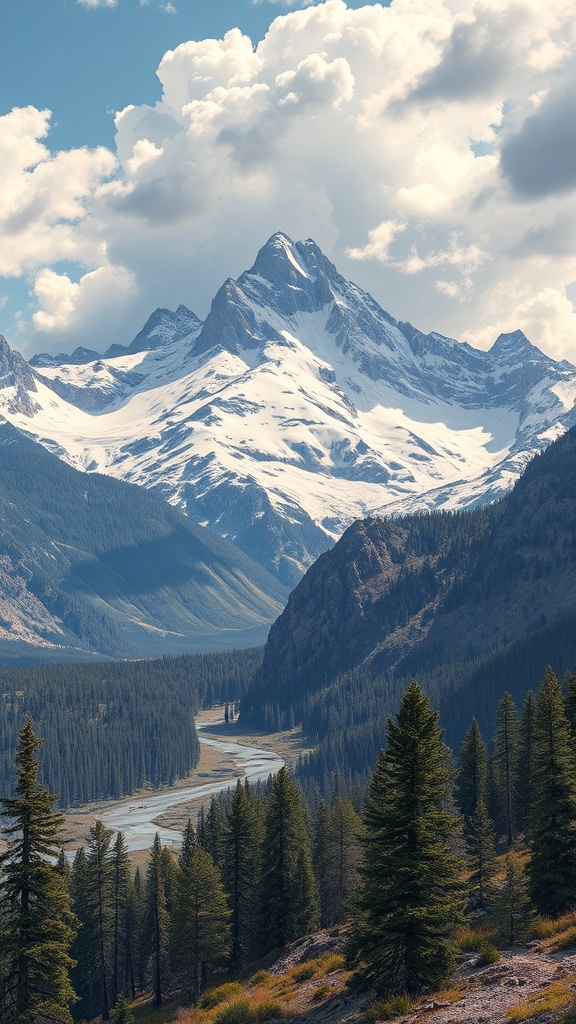
Wide-open skies, jagged mountain silhouettes, and some of the most dramatic wildlife encounters in the Lower 48 make Wyoming a destination that blends adventure, solitude, and natural history. Whether you’re chasing iconic parks or seeking quieter backcountry experiences, Wyoming travel rewards curiosity and respect for wild places.
Why Wyoming draws visitors
Yellowstone and Grand Teton are headline destinations for a reason: geothermal wonderlands, towering peaks, and accessible wildlife viewing. Beyond those parks, Wyoming offers diverse landscapes—high desert basins, forested ranges, sagebrush plains, and dramatic rock formations like Devils Tower—that cater to hikers, anglers, photographers, and history buffs alike. The state’s cultural fabric—ranching traditions, rodeos, and small-town hospitality—adds authentic flavor to any trip.
Planning your visit
Think seasonally. Warm months open long hiking routes, fishing waters, and scenic drives, while shoulder seasons deliver fewer crowds and striking light for photography. Winter transforms mountain valleys into powder playgrounds for skiers and snowmobilers, and hot springs become especially appealing after a cold day outdoors. Be prepared for rapid weather shifts at higher elevations; packing layers and waterproof gear is essential.
Top experiences worth seeking
– Wildlife viewing: Early morning and late evening are peak windows for spotting elk, moose, bison, and bears. Always keep distance, use binoculars, and be mindful when photographing animals; roadsides are common viewing spots but can be dangerous if visitors approach too closely.
– Backcountry and day hikes: Trails range from gentle lakeside walks to high alpine routes. If venturing off-trail or into more remote areas, carry a map, compass, or GPS, and leave your plan with someone.
– Fly fishing: Rivers and high mountain streams support superb trout populations.
Check local regulations and water conditions; many premier stretches require catch-and-release practices or specific gear to protect fisheries.
– Cultural and paleontological sites: Visit small museums, rodeos, and fossil sites to learn about the state’s geological and human history.
Places like Fossil Butte and local visitor centers offer insights that enrich the landscape experience.
Safety and stewardship
Wildlife encounters and fragile ecosystems require responsible behavior.
Carry and know how to use bear spray when hiking in bear country, keep food stored securely, and follow posted guidance in thermal areas—standing on fragile ground near hot springs can be fatal. Practice Leave No Trace principles: pack out trash, avoid disturbing plants and archaeological sites, and stay on designated trails.
Practical tips
– Altitude matters: Some towns and trailheads are at high elevation; acclimatize gradually and watch for symptoms of altitude sickness.
– Services can be sparse: Fuel, groceries, and cell coverage may be limited in rural stretches. Keep your vehicle topped up and carry basic supplies.
– Reservations and permits: Popular trailheads, campgrounds, and backcountry areas often require advance reservations or permits. Check park or forest service sites before you go to avoid disappointment.
Packing essentials:
– Layered clothing and rain shell
– Sturdy hiking boots
– Water treatment or filtration
– Bear spray and first-aid kit
– Map, compass, and fully charged phone or GPS
Sustainable visitation helps preserve Wyoming’s character for future visitors and residents.
By respecting wildlife, staying informed, and choosing lower-impact activities, you’ll leave places better than you found them—and return home with stories that capture the scale and spirit of the West. Plan thoughtfully, embrace the unexpected, and let Wyoming’s landscapes shape an unforgettable outdoor experience.