Mining towns have shaped landscapes, cultures, and economies around the world. Once dominated by extraction, many of these communities are now navigating transitions—balancing heritage preservation, environmental cleanup, and economic reinvention. Understanding the patterns behind successful transformations can help residents, planners, and investors make smart decisions.
The lifecycle of a mining town
Mining towns typically follow a familiar arc: rapid growth when deposits are discovered, infrastructure and social services expand to meet demand, then decline as resources are exhausted or prices fall. Some settlements become ghost towns, while others find ways to reimagine their purpose.
The physical legacy—shaft heads, processing plants, rail lines—offers both challenges (contamination, unstable ground) and assets (unique architecture, dramatic landscapes).
Heritage and tourism as economic anchors
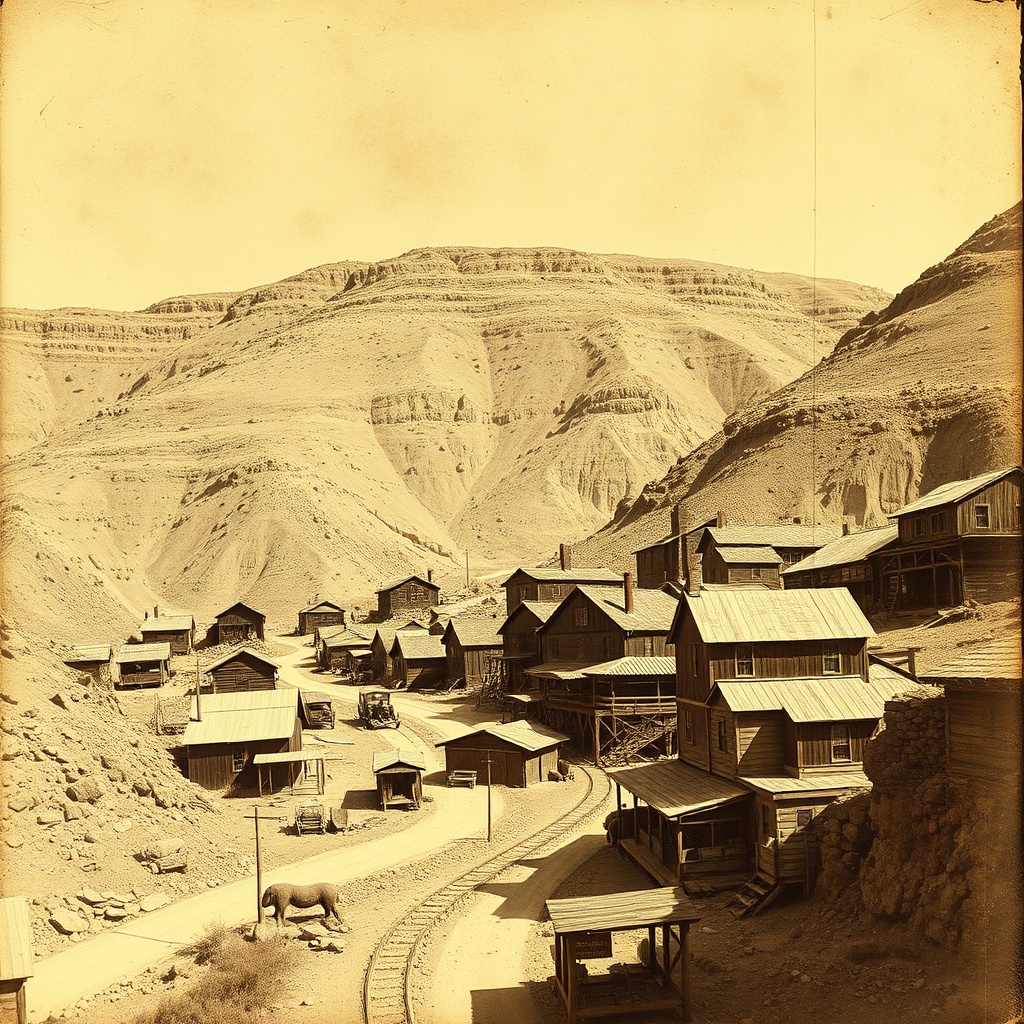
Heritage tourism is a proven path for many former mining communities. Historic mines, guided underground tours, museums, and living-history events attract visitors interested in industrial heritage and local stories. Festivals, rail excursions, and interpretive trails bring seasonal revenue and create opportunities for small businesses—cafés, artisan shops, and lodging—rooted in local identity.
Environmental remediation and brownfield redevelopment
Mine reclamation is essential for community health and future use of land. Reworking tailings, stabilizing slopes, and restoring native vegetation reduce risks and open parcels for new development. Public funding, grants, and public-private partnerships often finance remediation projects. Brownfield redevelopment can convert former industrial zones into parks, solar farms, or commercial sites, turning liabilities into assets.
Energy transition and new mining cycles
Demand for battery metals and critical minerals has sparked renewed interest in some mining regions. This can bring job creation and infrastructure investment, but it also raises questions about sustainability and community consent. Responsible mining practices, rigorous environmental standards, and local benefit agreements help align extraction with long-term community goals.
Economic diversification and remote work
Diversification is key to resilience.
Successful towns invest in broadband, support small-business incubators, promote local entrepreneurship, and attract remote workers seeking affordable housing and natural amenities. Co-working spaces in renovated mining buildings can become hubs for creative industries, technology services, and professional services that complement tourism-driven income.
Cultural resilience and social infrastructure
Schools, healthcare, and cultural institutions matter for quality of life and retention. Adaptive reuse of historic buildings as community centers, galleries, and performance venues preserves heritage while meeting contemporary needs. Local storytelling—through oral history projects and interpretive signage—helps maintain identity and fosters civic pride.
Practical steps for regeneration
– Assess assets and liabilities: map contaminated sites, historic structures, and tourism potential.
– Engage the community: prioritize inclusive planning and local ownership of projects.
– Secure funding: explore grants, tax incentives, and impact investment.
– Build partnerships: collaborate with universities, non-profits, and private sector partners.
– Promote sustainability: emphasize renewable energy, low-impact tourism, and responsible resource practices.
Mining towns face unique challenges, but they also possess distinctive opportunities. By blending heritage preservation, environmental stewardship, and forward-looking economic strategies, communities can turn extraction-era legacies into foundations for diversified, resilient futures. For travelers, activists, and investors alike, these towns offer compelling stories and real potential—if revitalization is guided by long-term planning and local priorities.