Utah skiing is beloved for a reason: the combination of easy access, varied terrain and famously light, dry powder creates an experience that draws skiers and snowboarders from around the world. Whether you chase steep chutes and hike-to lines, glide through wind-scoured gladed trees, or take mellow groomers with panoramic views, Utah delivers terrain for every style and skill level.
Why the snow feels different
The region’s signature snow comes largely from storms that interact with the nearby Great Salt Lake. That moisture source often produces low-humidity flakes that settle into a fluffy, low-density powder—perfect for floaty turns. Resorts’ elevations and cold nights help preserve that quality, so powder days can last longer than at lower, wetter mountain ranges.
Resort variety and access
Utah’s resorts range from large, destination mountains with high-speed lifts and expansive terrain to smaller, community-oriented hills that offer quieter runs and family-friendly vibes. Several mountains are only a short drive from the major airport, making weekend trips and quick getaways especially convenient. Ski-only policies at select ski areas preserve a traditional alpine culture and attract those seeking a skier-focused experience, while other resorts cater to both skiers and snowboarders with robust park lanes and freestyle features.
Backcountry and avalanche awareness
For many visitors the real adventure lies beyond the ropes. Utah’s accessible backcountry—composed of high alpine bowls, steep chutes and tree runs—rewards those with the right skills and preparation. Avalanche hazard can change rapidly, so checking local avalanche forecasts, carrying beacon-probe-shovel, and taking an avalanche-awareness course are essential steps before venturing out. Partner up, plan conservative routes and respect seasonal closures and signs.
Season passes, lift upgrades and amenities
Lifts and guest services have seen steady investment, with many mountains adding faster chairs, improved base-area facilities and expanded dining options. Multi-mountain passes and regional passes provide flexibility for people looking to sample several areas, while local passes and day tickets remain good options for those who prefer one favorite hill. Rental and demo shops at base areas make it easy to try the latest gear without hauling skis across long distances.
Off-mountain offerings
Après-ski in Utah blends relaxed pubs, craft cocktails and elevated dining—some resorts now showcase destination restaurants and on-mountain fine dining.
Non-ski activities include snowshoeing, nordic centers, tubing parks and soothing spa services for sore muscles after long days on the hill.
Nearby towns often host live music, arts events and charming downtowns worth exploring between runs.
Practical tips
– Layer clothing: cold mornings can warm quickly; breathable, waterproof outer layers plus midlayers work best.
– Protect your eyes and face: low sun angles, wind and glare make goggles and SPF essential.
– Tune and demo: fresh edges and a recent tune will change how your skis perform; consider a demo to match terrain.
– Book lodging and lessons early: popular weekends fill fast at favored towns and mountains.
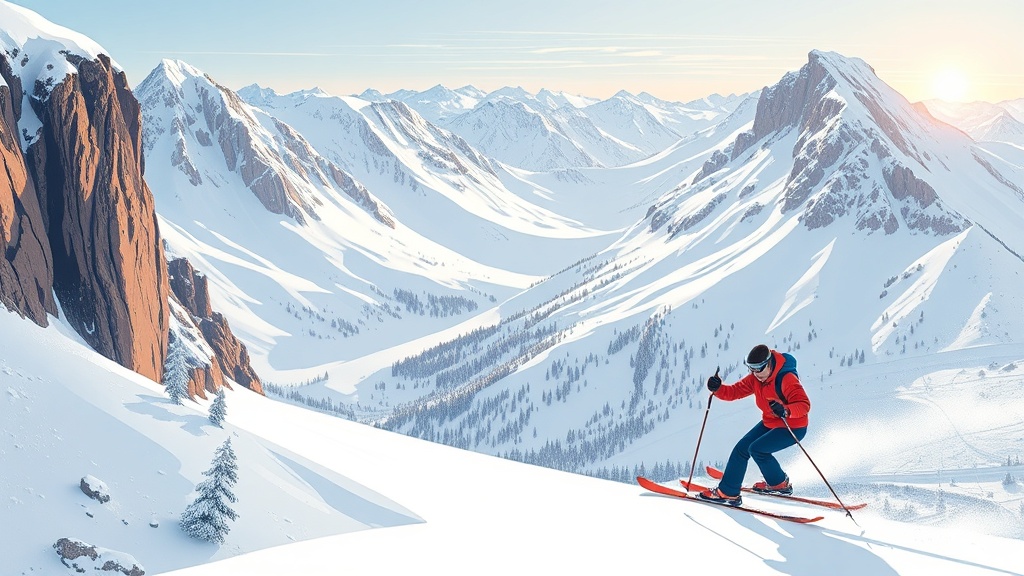
Utah skiing continues to appeal because it combines world-class snow with a wide range of experiences—technical steeps, family runs, invigorating backcountry and a lively après scene. With thoughtful planning and respect for mountain conditions, a trip here can deliver some of the most memorable turns imaginable.