Wide open skies, rolling sagebrush, and a culture rooted in hard work and land stewardship make Wyoming ranches a lasting draw for buyers, visitors, and conservationists.
Whether you’re looking for an operational cattle spread, a guest-friendly dude ranch, or a quiet retreat with wide vistas, understanding the practical and legal realities of ranch ownership helps turn the dream into a manageable reality.
Why Wyoming ranches stand out
Wyoming’s landscapes offer a rare combination of large parcels, diverse grazing ground, and a low population density that appeals to people seeking privacy and space.
Ranch properties often include a mix of pastures, streams, riparian areas, and high-country summer range, providing flexibility for livestock operations, wildlife habitat, and recreation. The state’s ranching culture also supports local services—veterinarians, feed suppliers, and experienced cowhands—important when running a working ranch.
Sustainable management and regenerative practices
Sustainable ranching is both good stewardship and good business. Techniques like rotational grazing, riparian buffer protection, and targeted weed control improve forage productivity, increase soil carbon, and reduce erosion. Many ranch owners use conservation easements to protect working landscapes from subdivision while qualifying for tax benefits and preserving wildlife corridors. Emerging incentives for carbon sequestration and ecosystem services are becoming part of the financial conversation for forward-looking operations.
Water, minerals, and legal essentials
Before buying, confirm water rights, irrigation improvements, and well permits; water access can make or break grazing plans. Mineral rights deserve equal attention—some ranch sales exclude subsurface rights, which can affect long-term value and use. Check county records for easements, access roads, and any federal grazing allotments if the property borders public lands. Working with a local land attorney and a broker experienced in ranch transactions reduces surprises.
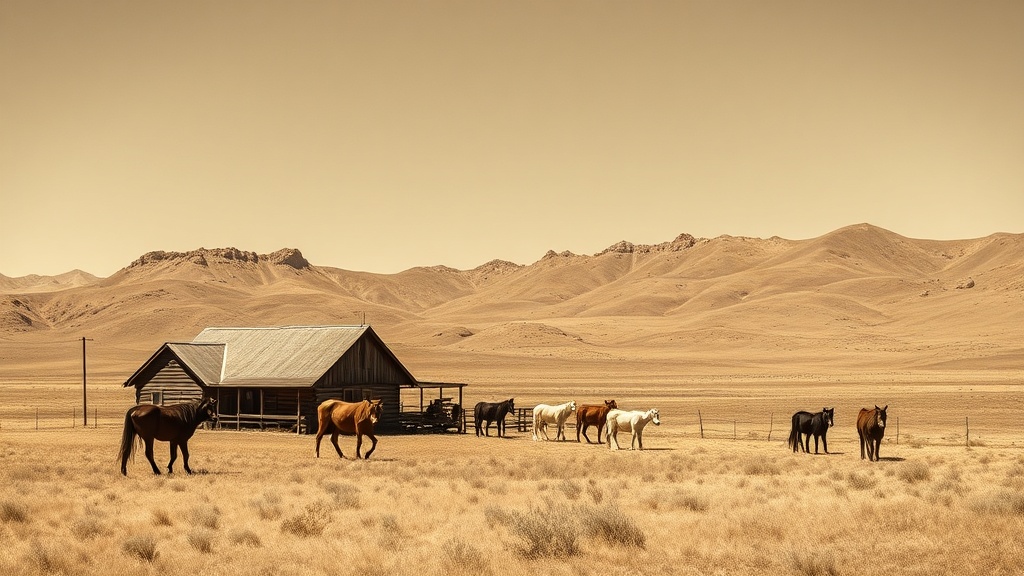
Dude ranches and agritourism opportunities
Turn-key guest operations remain a popular entry point for those wanting revenue tied to the land. Well-run dude ranches combine lodging, horseback riding, fly-fishing, and culinary experiences. Marketing these operations relies on strong storytelling, high-quality photography, and a clear guest experience—emphasizing activities, accommodations, and seasonal highlights. Agritourism can diversify income, offset operational costs, and introduce new audiences to ranching heritage.
Wildlife, habitat, and coexistence
Wyoming ranches are home to elk, mule deer, pronghorn, and sagebrush-dependent species. Managing for wildlife requires balancing forage needs with predator coexistence and travel corridor protection. Many ranches partner with state wildlife agencies and conservation organizations to implement habitat-improvement projects that benefit both wildlife and grazing potential.
Practical tips for prospective buyers
– Start with a clear business plan: livestock, recreation, lease income, or a combination.
– Verify infrastructure: fences, corrals, water systems, barns, and housing condition.
– Investigate labor availability nearby; experienced ranch hands are an asset.
– Consider seasonal access and snowpack impacts on winter feeding and transport.
– Budget for long-term maintenance; land stewardship is ongoing, not one-time.
Wyoming ranches combine storied tradition with modern opportunities for sustainable production and experiential tourism. With careful due diligence—paying attention to water and mineral rights, conservation options, and operational infrastructure—owning and managing a ranch can be a rewarding way to steward land, welcome guests, and sustain rural livelihoods. If you’re exploring ranch options, connect with local specialists who understand both the landscape and the legal framework that make these properties functional and resilient.