Yellowstone remains one of the planet’s most compelling landscapes, where boiling pools, thundering waterfalls, and wide-open valleys converge with abundant wildlife. For travelers and nature lovers, the park offers a unique chance to witness geological power and ecological resilience—while offering responsibilities that help protect these fragile systems.
Why Yellowstone captivates
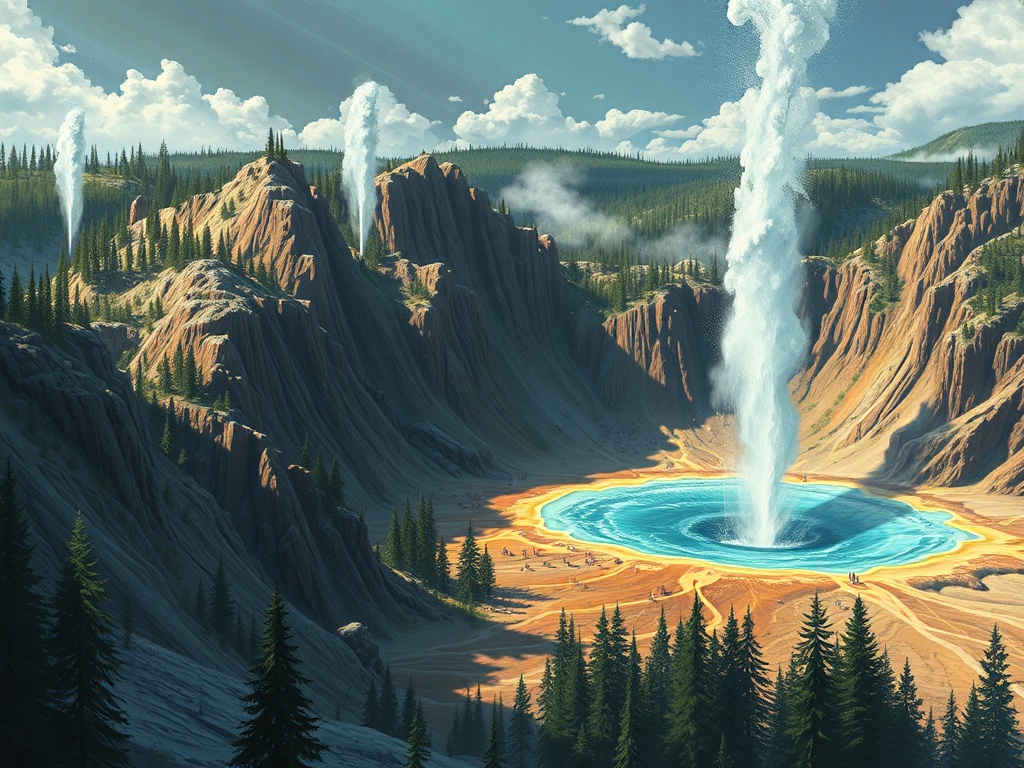
Geothermal features are Yellowstone’s signature: erupting geysers, steaming fumaroles, and vividly colored hot springs form because heat from deep beneath the Earth interacts with water and rock. Visitors are drawn to famous eruptions and the surreal palette of mineral deposits that paint terraces and basins.
Beyond the geothermal drama, high plateaus, deep canyons, and large lakes provide habitat for elk, bison, wolves, grizzly bears, and countless birds and smaller mammals.
Wildlife viewing with care
Wildlife is abundant, but safe, respectful viewing is essential. Maintain distance—at least 25 yards from most animals and at least 100 yards from bears and wolves. Binoculars or a telephoto lens bring animals close without disturbing them. Never approach, feed, or attempt to move between animals and their young. Crowding animals can alter their behavior and endanger both wildlife and people.
Thermal area safety
Thermal features are fragile and dangerous. Stay on designated boardwalks and trails; the ground around hot springs can be thin and scalding. Never throw objects into thermal features—doing so can permanently damage a spring’s character and is prohibited. If you travel with children or pets, keep them close and under control at all times.
Practical tips for a better visit
– Plan for limited cell service and download maps and permits beforehand.
– Check current road and trail conditions before setting out, as seasonal closures and temporary restrictions are common.
– Pack for variable weather—mountain conditions can change quickly, so layers, rain gear, and sturdy footwear are essential.
– Use pullouts for stopping; do not stop in traffic lanes to photograph wildlife.
– Leave no trace: pack out all trash, avoid picking plants, and minimize campfire impacts where fires are permitted.
Backcountry, camping, and permits
Backcountry camping requires permits and knowledge of local regulations. If you plan overnight trips, learn the rules for food storage and bear-safety practices to minimize wildlife encounters and food-conditioning. Fishing within the park is subject to state regulations and seasonal restrictions—obtain necessary licenses and follow catch-and-release rules where applicable.
Responsible recreation and conservation
Visitor behavior directly affects Yellowstone’s ecological health.
Stay on trails to prevent erosion and protect microbial mats in thermal areas.
Support conservation efforts by respecting closures, reporting hazards, and choosing low-impact travel options.
Many park programs and volunteer opportunities exist for those looking to contribute to long-term stewardship.
Accessibility and visitor services
Facilities and access points vary across the park. Visitor centers provide orientation, exhibits, and ranger programs that explain geology, wildlife, and historic sites.
Accessibility services are available, but availability can change—contact park resources before arrival to plan accommodations.
A living landscape
Yellowstone is a dynamic, living landscape—shaped by heat, water, and wildlife. Visiting with preparation, respect, and curiosity makes for safer experiences and helps ensure these extraordinary features remain vibrant for future visitors. Whether you come for geysers, wildlife, hiking, or quiet reflection, thoughtful choices keep Yellowstone wild and welcoming.