Moab’s parks are a magnet for outdoor lovers — dramatic red rock arches, wind-sculpted fins, endless canyons and world-class mountain-biking and 4×4 routes. Whether your goal is a sunrise photo of an iconic arch, a technical canyoneering route, or a mellow riverside float, planning ahead makes a huge difference to safety and enjoyment.
What to prioritize
– Arches National Park: Famous for Delicate Arch and the Devil’s Garden area, it’s compact but incredibly popular. Trails range from short viewpoint walks to long, exposed hikes across slickrock.
– Canyonlands National Park: Divided into distinct districts (Island in the Sky, The Needles, The Maze), each offers a different experience — sweeping overlooks, backcountry routes, and remote backpacking. Island in the Sky is the most accessible for day visits.
– Nearby public lands: BLM areas and state parks around Moab add miles of trails for mountain biking, off-roading, and dispersed camping.
Timing and crowds
Spring and fall draw the biggest crowds because temperatures are ideal for strenuous activity. Early morning and late afternoon offer the best light for photography and cooler conditions for hiking. Parking lots fill quickly; arriving before sunrise often secures a spot at popular trailheads.
Reservations, permits and rules
Some parks and trailheads use timed-entry reservations or require permits for overnight or specialized activities. Backcountry and river trips often need permits issued by park services.
Pets are commonly restricted — typically allowed in developed areas but not on most trails. Always check the official park or land-management website before you go for current rules, trail closures, and permit requirements.
Safety essentials
– Hydration and sun protection are non-negotiable: bring more water than you think, wear a hat, and use sunscreen.
– Footwear: sturdy shoes with good traction are essential for slickrock and uneven terrain.
– Weather hazards: sudden storms can produce flash floods in narrow canyons and make slickrock slippery.
If thunderstorms are forecast, choose safer, exposed routes or postpone.
– Navigation: cell service can be unreliable.
Carry maps, a GPS device, or a fully charged phone and know how to use them.
– Respect fragile soils and cryptobiotic crusts: stay on designated trails to preserve the landscape and prevent erosion.
Activities and outfitting
– Hiking: Popular day hikes can be paired with less-trafficked options for solitude. Sunset and sunrise hikes reward patience with dramatic color.
– Mountain biking: Moab is a world-class destination with trails ranging from beginner to highly technical.
Bring a trail map and skills-appropriate bike.
– Off-roading and Jeeping: Stick to designated routes and ensure your vehicle is appropriate for the trail. Safety gear, recovery equipment and travel with companions are strongly recommended.
– Canyoneering and climbing: These activities require technical skills and equipment; consider hiring a certified guide if you’re new to the sport.
– River trips: Guided rafting and inflatable-boat trips on the Colorado River provide a different perspective of the canyons.
Leave it better than you found it
Practice Leave No Trace principles: pack out trash, avoid disturbing plants and wildlife, and keep group sizes manageable. Moab’s fragile high-desert ecosystems take a long time to recover from disturbance, so small actions by many visitors add up.
Quick checklist
– Check official park websites for reservations and alerts
– Pack ample water, sun protection and layered clothing
– Use maps and navigation tools; don’t rely solely on cell service
– Respect trail closures, signage and fragile surfaces
– Consider guided options for technical or high-risk activities
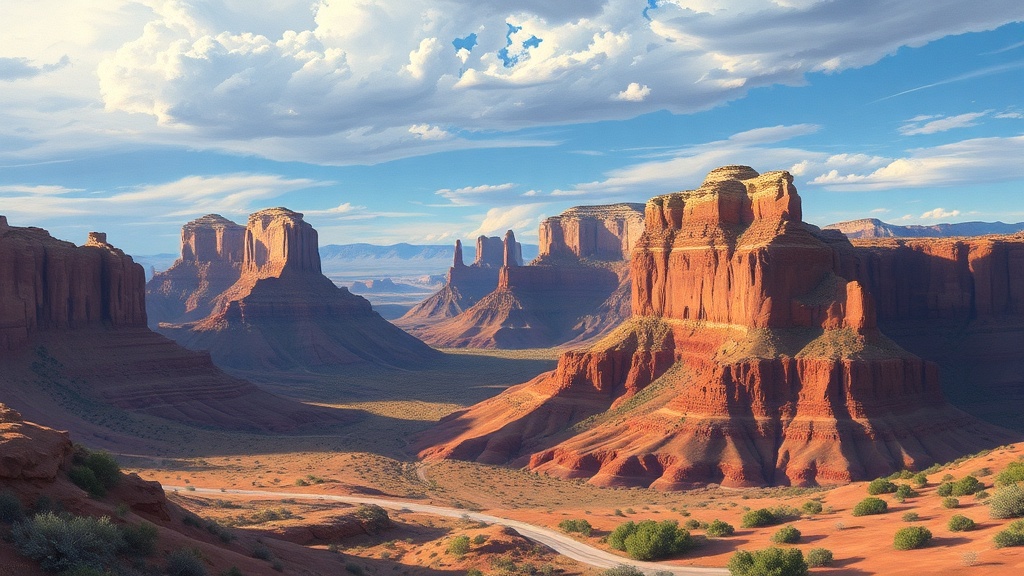
With preparation and respect for the landscape, a visit to Moab’s parks can be a memorable, low-impact adventure filled with stunning geography and endless opportunities for exploration.