Utah at a glance: balancing big skies, booming tech, and shrinking water
Utah is a study in contrasts: dramatic red-rock canyons and alpine powder, a rapidly growing tech scene and small-town western grit, abundant recreation and pressing environmental challenges. The state is attracting visitors, new residents, and businesses who want access to nature alongside urban amenities, and that dynamic is shaping how Utah plans for the future.
Outdoor recreation drives the economy and lifestyle.
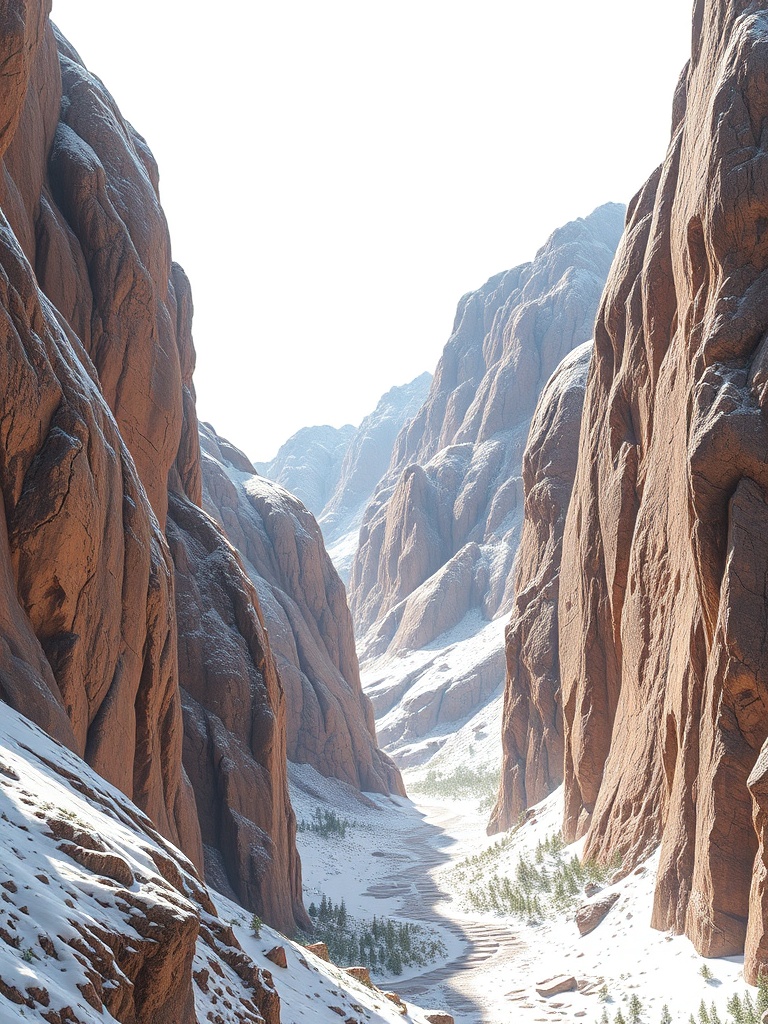
The state’s five national parks—Zion, Bryce Canyon, Arches, Canyonlands, and Capitol Reef—offer iconic sandstone formations, slot canyons, and staggering viewpoints. Ski resorts in areas like Park City, Little Cottonwood Canyon, and the surrounding Wasatch Range are widely known for reliable snow and extensive lift networks.
Popular activities include hiking, canyoneering, mountain biking, skiing, and river rafting. For travelers, planning ahead is key: many trailheads require permits or timed-entry reservations during peak seasons, and high-elevation activities demand hydration and gradual acclimation.
Salt Lake City serves as the cultural and transportation hub. With a growing downtown, a vibrant food and craft-beer scene, and performing-arts offerings, the metropolitan area provides urban comforts within easy reach of trailheads and resorts. A well-connected airport makes Salt Lake City a convenient gateway for visitors heading to the parks or the mountains.
“Silicon Slopes” reflects the state’s expanding tech and startup ecosystem. A mix of established firms and energetic startups has helped diversify the economy beyond traditional industries. That growth brings talent and investment, along with pressure on housing, roads, and water supplies—challenges that require coordinated planning between private companies, local governments, and communities.
Water: the central challenge and opportunity. The state’s semi-arid climate means water is a scarce and strategic resource. The Great Salt Lake and other water bodies have experienced lower levels, which has consequences for wildlife habitat, dust emissions, and regional weather patterns. Efforts to conserve water include municipal water-efficiency programs, agricultural irrigation improvements, voluntary fallowing, and incentives for xeriscaping and low-water landscaping. For residents and visitors alike, small choices — shorter showers, filling a reusable water bottle, and respecting water-use rules at campgrounds — add up.
Sustainable tourism and stewardship are gaining traction. With rising visitation at iconic sites, managers are focusing on visitor education, infrastructure improvements, and destination management strategies to protect fragile ecosystems. Leave-no-trace principles are especially important in desert environments where recovery from damage can take decades.
Backcountry users should be prepared for extreme temperatures, limited shade, and scarce water sources.
Practical tips for visiting and living in Utah
– Check permits and entry requirements for national parks and popular trails before arrival.
– Pack for variable conditions: sun protection, layered clothing, ample water, and a map or GPS device.
– Respect wildlife and fragile soils—stay on designated trails and avoid trampling cryptobiotic crust.
– Consider off-peak times or lesser-known public lands for a quieter experience.
– Conserve water at home with efficient fixtures and native landscaping to help local supply resilience.
Utah’s appeal lies in the tension between vast, accessible nature and rapid economic momentum.
How communities manage growth, protect water, and support outdoor access will shape the state’s character going forward. For visitors and residents, mindful recreation and thoughtful consumption are simple ways to contribute to a resilient, thriving Utah.