Wyoming: Wide-Open Spaces, Big Skies, and Things to Know Before You Go
Wyoming is synonymous with wide-open landscapes, dramatic mountain ranges, and an outdoor lifestyle that draws visitors from across the country. From iconic national parks to remote wilderness ranges and small towns that still celebrate cowboy culture, the state offers a mix of adventure, wildlife viewing, and quiet escape.
Top destinations and why they matter
– Yellowstone and Grand Teton: These adjacent national parks remain must-see destinations for first-time visitors. Expect geysers, hot springs, sweeping valleys, and abundant wildlife. The Tetons provide alpine hiking, climbing, and scenic drives that contrast with Yellowstone’s geothermal wonders.
– Jackson Hole: A gateway community for adventure, Jackson offers art galleries, dining, and access to world-class skiing and backcountry routes.
It’s also a good base for fly-fishing and wildlife tours.
– Wind River Range: For serious backcountry enthusiasts, the Wind Rivers deliver rugged peaks, glaciers, and long alpine routes. Permits are recommended for popular trailheads and overnight trips.
– South and east: Smaller towns like Cody and Thermopolis showcase frontier history, rodeo culture, and thermal waters. Fossil-rich areas and scenic byways provide quieter ways to experience the state.
Practical travel tips
– Plan for variable weather: Mountain weather can change rapidly. Layered clothing, a waterproof shell, and sun protection are essentials even on days that start cool.
– Altitude matters: Much of Wyoming is at high elevation. Drink water, ascend gradually if possible, and recognize signs of altitude sickness.
– Cell coverage is limited: Expect gaps in service on many roads and in backcountry areas. Download maps and carry a paper map or GPS device for remote travel.
– Wildlife safety: Keep a respectful distance from bison, elk, bears, and wolves. Carry bear spray where recommended and know how to use it. Never feed wildlife.
– Road safety and driving: Long distances and remote roads can be tiring; keep an emergency kit, extra water, and a spare tire.
Respect seasonal road closures and wildlife crossings.
Outdoor recreation and permits
Hiking, fishing, hunting, boating, and horseback riding are major draws. Many popular trailheads and campsites require permits or reservations, especially during peak seasons.
Check official park and forest service websites before you travel for up-to-date rules, permits, and fire restrictions. If you plan to fish, purchase the correct license and learn local regulations.
Conservation and responsible travel
Wyoming’s natural resources are a key part of its identity. Practice Leave No Trace principles, camp in established sites when available, and pack out what you pack in. Respect cultural sites and private land—many scenic views require crossing private property, and gates should always be left as found.
Culture and local flavor
Cowboy culture remains visible in rodeos, western art, and working ranches. Native American heritage and stories are vital to the region’s history and present-day communities; visit museums and cultural centers to learn more. Seasonal festivals, local markets, and historic downtowns provide ways to engage with residents and support small businesses.
Energy, economy, and community
The state balances traditional industries like ranching and energy production with growing interest in recreation and tourism. Renewable energy projects and outdoor-driven businesses are shaping local economies while conservation groups work to protect habitats and scenic corridors.
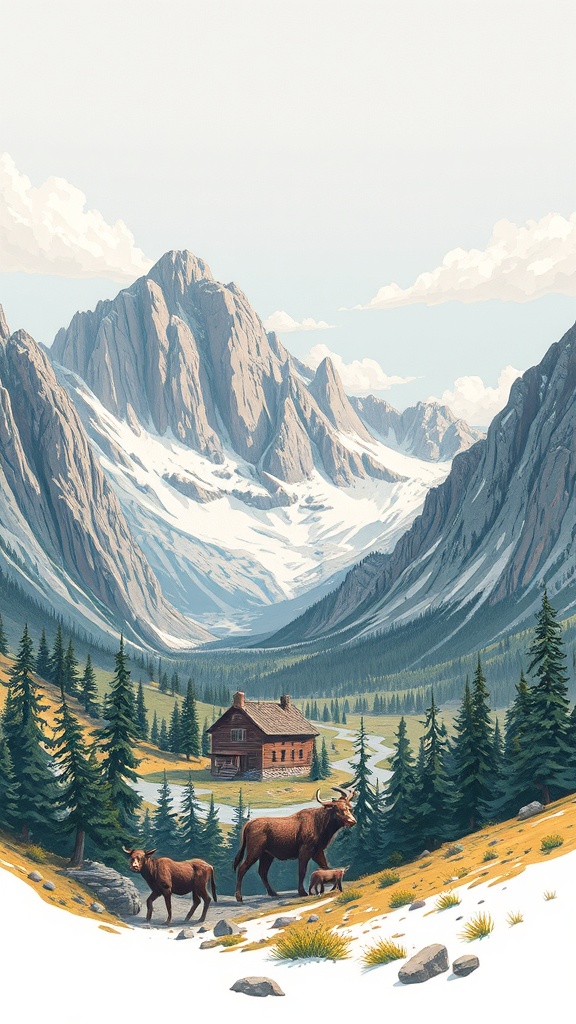
Whether you’re chasing geysers, summiting a peak, or seeking quiet roads and stargazing, Wyoming rewards visitors who prepare for remote conditions, respect the land and wildlife, and take time to explore beyond the most photographed stops. Check official resources before you go and leave room in your itinerary for surprises—the best parts of Wyoming often arrive when you turn down a less-traveled road.