Utah skiing blends legendary powder, quick airport access, and a wide range of terrain that suits beginners through steep-expert skiers. Whether you want lift-served runs, guided backcountry laps, or family-friendly ski school, Utah delivers reliably dry snow and efficient resort infrastructure that makes planning a ski trip straightforward.
Why Utah’s snow stands out
The Great Salt Lake influences regional weather patterns, producing light, low-moisture powder prized by skiers and snowboarders. That dryness helps create deep, fluffy snow that’s easier to float on and less likely to clump. Combined with high-elevation terrain and varied microclimates, this results in consistent conditions across resorts and in adjacent backcountry zones.
Top resort experiences
Utah’s resort options cover everything from intimate, skier-only areas to large, interconnected mountains. Popular destinations offer steep chutes, long cruisers, gladed trees, and terrain parks. Many resorts put a premium on grooming and lift efficiency, with plenty of beginner terrain and world-class expert areas for advanced skiers.
Accessibility and logistics
One of Utah’s big advantages is proximity to a major airport with frequent shuttle services to most resorts. Short drive times let visitors maximize time on the snow. Resorts also offer rental gear and tuning shops at the base, so travelers can arrive with minimal luggage and still be fully equipped.
Backcountry and sidecountry options
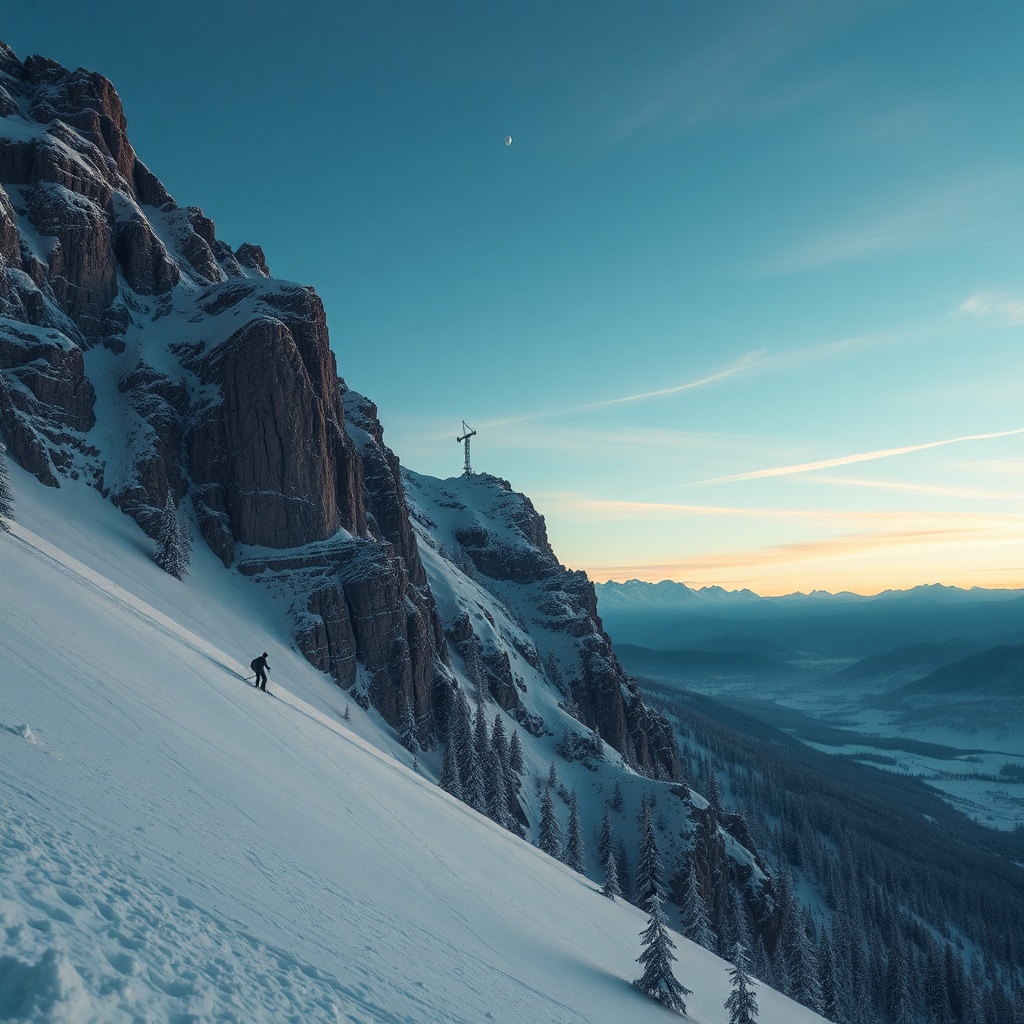
For adventurous skiers, the Wasatch and surrounding ranges provide extensive backcountry terrain. Guided tours and snowcat skiing are widely available for those who want lift-free exploration or access to untouched powder without managing logistics alone. Anyone venturing off-piste should carry proper avalanche safety gear (beacon, shovel, probe), get avalanche training, and check current avalanche forecasts from local centers before heading out.
Practical tips for better ski days
– Choose the right skis: wider, rockered powder skis improve flotation on deep snow; all-mountain skis are versatile for mixed conditions.
– Layer smart: dry powder often comes with cold, bright days; breathable base layers plus insulated mid-layers and a windproof shell offer flexibility.
– Book lessons early: ski schools are great for improving technique fast, and private lessons can be scheduled for groups or first-time visitors.
– Get lift tickets in advance: digital tickets and timed entries help avoid lines at busy resorts.
Consider pass options if you plan multiple days across different areas.
– Respect closures: ski patrol and posted signs are there for safety; terrain marked closed is hazardous and off-limits.
Après-ski and local culture
Après options range from cozy mountain lodges with wood stoves to lively downtown scenes with craft food and drink. Ski towns pride themselves on farm-to-table restaurants, microbreweries, and live music, creating memorable evenings after a day on the slopes.
Sustainable and responsible skiing
Many resorts are investing in conservation and energy-efficiency measures. Skiers can support sustainability by minimizing single-use plastics, choosing lodging with green practices, and following Leave No Trace principles in backcountry areas.
Final planning pointers
Decide whether you want a resort-focus trip or backcountry adventures, reserve lessons or guides early, and pack gear appropriate for dry, powdery snow. With easy access, varied terrain, and famously light powder, Utah remains a compelling choice for skiers seeking consistent conditions and memorable runs.