Mining towns have long captured the imagination: rugged landscapes, tight-knit communities, and economies built around extracting the earth’s resources. Their story is not one of simple boom-and-bust but of adaptation, legacy, and the search for sustainable futures. Understanding how mining towns evolve helps communities, policymakers, and investors make smarter choices today.
The boom-bust pattern
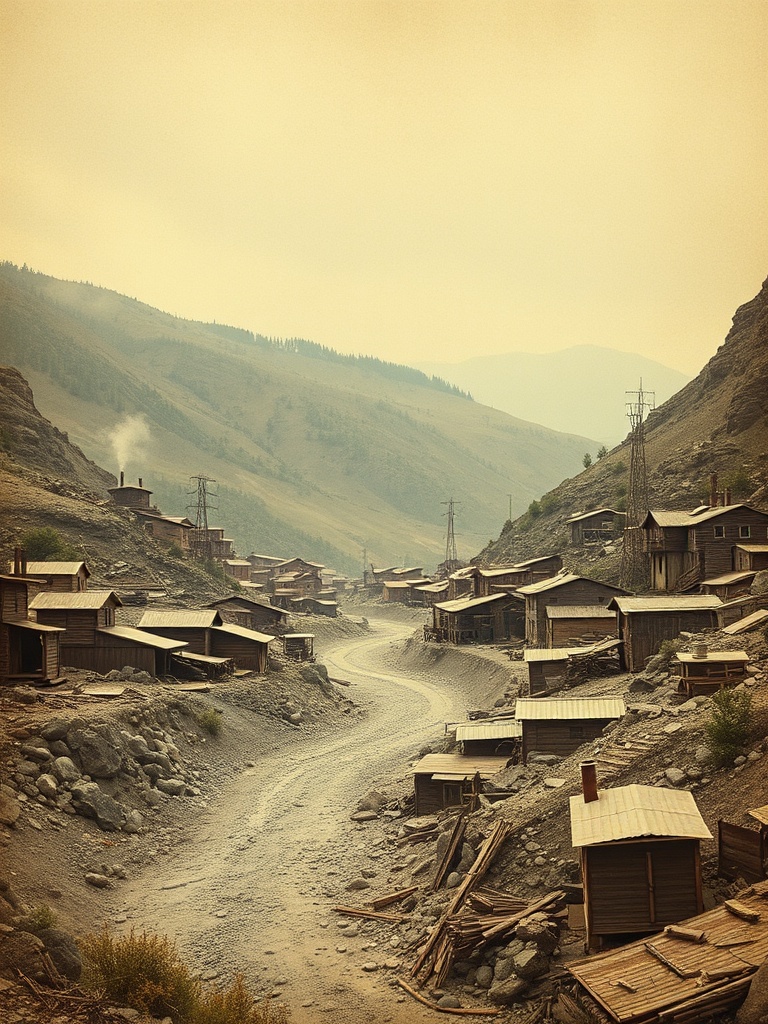
Mining towns typically emerge rapidly when a valuable deposit is discovered. Infrastructure—housing, roads, schools, and businesses—springs up to serve the workforce. That early prosperity can be intense but often short-lived: when ore grades decline or commodity prices fall, jobs evaporate and populations shrink. This cycle leaves physical and social legacies that can be challenging to manage.
Environmental and social legacies
Mining leaves a distinct footprint. Tailings ponds, mine pits, contaminated soils, and acid mine drainage can persist long after operations cease, posing risks to water, soil, and human health. Socially, outmigration, aging populations, and loss of local services can weaken community resilience.
At the same time, built heritage—historic shafts, headframes, company towns—offers cultural value and tourism potential.
Paths to resilience
Many mining towns are rewriting the script by pursuing diversification and adaptive reuse.
Common strategies include:
– Heritage tourism: Restoring historic mining structures and creating interpretive trails turns industrial heritage into an economic asset.
Museums, guided mine tours, and festivals attract visitors and preserve local identity.
– Outdoor recreation economies: Former mine sites often sit in scenic landscapes that support hiking, mountain biking, fishing, and skiing. Leveraging natural assets can draw longer-season tourism and stimulate lodging and hospitality businesses.
– Renewable energy and manufacturing: Flat land and existing grid connections near former industrial zones can be attractive for solar farms, battery storage, or light manufacturing, creating new employment opportunities.
– Brownfield remediation and redevelopment: Cleaning contaminated sites unlocks land for housing, parks, or business parks. Public grants, private investment, and community-led projects have proven successful in many regions.
– Workforce transition programs: Retraining initiatives, apprenticeships, and partnerships with technical colleges help former mine workers transfer skills to construction, energy, or tech sectors.
Policy and funding levers
Effective transition relies on coordinated policy. Governments can provide incentives for remediation, fund infrastructure that attracts new industries, and offer social safety nets during downturns. Public-private partnerships help spread risk and mobilize expertise.
Environmental regulations that require reclamation and enforce financial assurance mechanisms reduce the long-term burden on taxpayers.
Community-led approaches
Communities that thrive often have strong local leadership, clear vision, and inclusive planning processes.
Engaging residents in decision-making ensures projects respect cultural heritage and meet local needs.
Creative placemaking—combining public art, festivals, and small-business support—can revitalize main streets and strengthen social cohesion.
Sustainable mining practices
For towns still engaged in extraction, adopting modern practices reduces future liabilities. Progressive operators use better tailings management, water treatment, progressive reclamation, and community benefit agreements.
Transparency and long-term planning help align company actions with local aspirations.
The future of mining towns is not predetermined. With thoughtful planning, investment in remediation and diversification, and a focus on community priorities, these places can transform from finite-resource dependency into resilient, multi-faceted economies that honor their past while building durable futures.
Communities and stakeholders who act proactively increase their chances of turning legacy challenges into opportunities for renewal.