Wyoming Ranches: What to Know Before Buying or Visiting
Wyoming ranches offer a unique blend of wide-open landscapes, working livestock operations, and recreational escapes. Whether you’re hunting a working cattle ranch, a guest ranch for vacationers, or a private retreat with mountain views, knowing the practical and legal considerations helps you make smarter choices and enjoy the ranch lifestyle with fewer surprises.
Why buyers and visitors are drawn to Wyoming ranches
– Expansive scenery and privacy: Rolling plains, high desert basins, and mountain backdrops create unmatched panoramas and low population density.
– Outdoor access: Elk, deer, trout fishing, birding, horseback riding, and winter recreation are often right out the gate.
– Authentic ranching culture: Many properties carry decades of livestock tradition and community ties that appeal to buyers seeking an active lifestyle or heritage investment.
Practical considerations before buying
– Water rights and access: Water is one of the most important assets.
Confirm surface water allocations, groundwater permits, and irrigation infrastructure.
Water rights in Wyoming can be separate from land title and may affect agricultural uses and development.
– Grazing leases and range management: Many properties include federal or state grazing allotments.
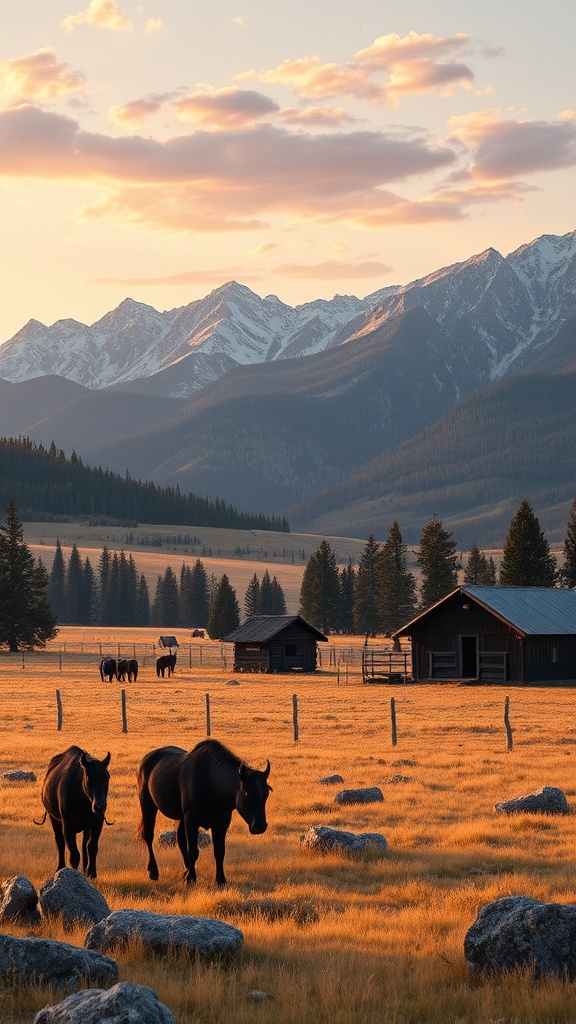
Understand lease terms, seasonal use, and any rotational grazing plans that affect carrying capacity.
– Mineral rights: Mineral ownership can be detached from surface rights. Verify whether oil, gas, coal, or other mineral interests are included or leased to third parties.
– Infrastructure and improvements: Check fencing condition, corrals, barns, wells, storage, and road access. Remote properties often require investment in utilities, septic systems, and winter-ready amenities.
– Access and easements: Confirm legal road access and any public land boundaries. Private in-holdings and locked gates can complicate use and management.
– Wildlife and conservation: Many ranches are habitat for big game and migratory species. Conservation easements can protect landscape values while offering tax advantages; weigh restrictions tied to easements against long-term goals.
Financial and legal tips
– Work with local professionals: Use a broker experienced in western ranches, a land attorney familiar with state water law, and a surveyor to clarify boundaries.
– Consider financing options: Lenders offering agricultural or rural property loans differ from typical residential mortgages. Explore farm service agencies, local banks, and specialized lenders.
– Evaluate taxes and costs: Property taxes, payroll if hiring ranch hands, and ongoing maintenance can add up.
Factor in seasonal costs like winter feeding and equipment storage.
Managing and enjoying a Wyoming ranch
– Embrace seasonal rhythms: Ranch life follows the seasons—calving, branding, haying, and winter feeding—so plan labor and resources accordingly.
– Prioritize sustainable practices: Soil health, riparian restoration, and rotational grazing improve resilience and long-term productivity.
– Balance work and recreation: Many ranches double as tourist destinations or hunting leases; clarity on permitted uses helps maintain privacy and revenue potential.
Next steps for prospective buyers or visitors
Start by visiting multiple properties to compare terrain and infrastructure, request recent water and grazing records, and connect with neighbors and county officials for local knowledge. Whether purchasing a working ranch or booking a guest ranch stay, careful due diligence ensures the property matches lifestyle, investment, and conservation priorities.