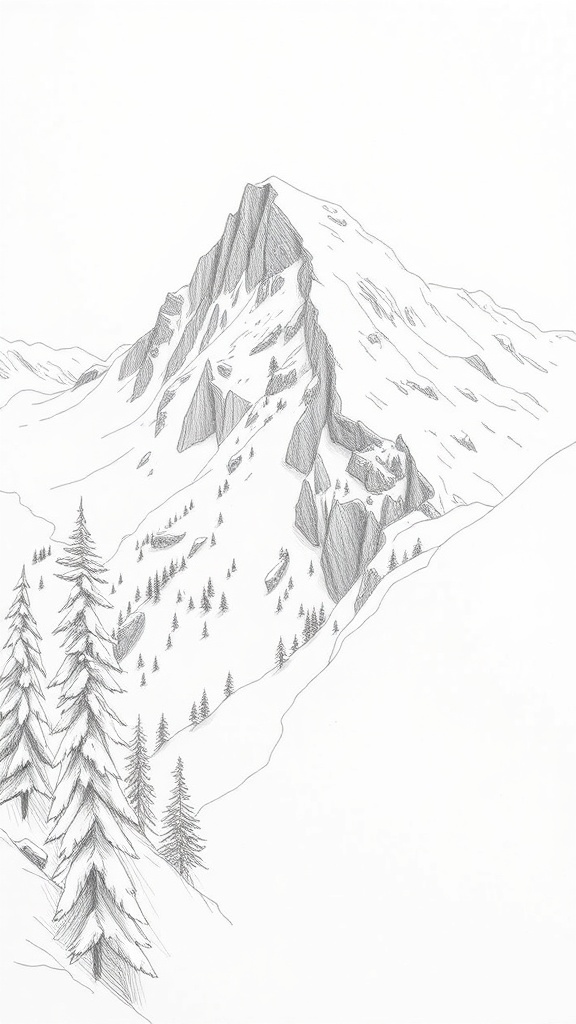
Utah skiing remains a top draw for winter travelers thanks to a rare combination of light, dry powder, accessible resorts, and diverse terrain. Whether you seek wide groomers, steep chutes, endless backcountry, or family-friendly runs, the Wasatch Range delivers an unforgettable mountain experience within easy reach of Salt Lake City.
What makes Utah special
Utah’s mountains receive famously dry snow that skis like powder cake—light, fluffy, and forgiving.
Many major resorts sit within a short drive from the airport, turning a city arrival into first tracks within an hour for many visitors. The Wasatch offers steep bowls and technical terrain for experts, beginner-friendly learning areas and dedicated ski schools for newcomers, and expansive intermediate runs that satisfy most skiers.
Top resort picks and vibes
– Park City: A large, well-rounded resort with extensive groomers, lively downtown lodging, and nightlife. Great for families and mixed-ability groups.
– Deer Valley: A ski-only resort prized for groomed runs, exceptional service, and a refined on-mountain dining scene.
– Snowbird and Alta: Known for steep, challenging terrain and deep powder; Alta skiers-only, Snowbird welcomes snowboarders and is linked by tram to incredible back bowls.
– Brighton and Solitude: Local favorites with relaxed vibes, night skiing, and value-oriented tickets.
– Powder Mountain and smaller areas: Offer fewer crowds and vast, often less-tracked terrain.
Planning and passes
Advance planning pays off. Many resorts offer online discounts for pre-purchased lift tickets and timed entry on busy days. Multi-resort passes and regional cards can lower costs for visitors planning to ski multiple areas, but compare covered resorts and blackout dates before buying.
Rental gear is widely available at both resort bases and in nearby towns; renting one full day in the valley can help travelers test sizes and setups before committing to multiple days.
Backcountry and safety
Utah’s backcountry access is world-class—but that comes with avalanche risk.
Anyone venturing off-piste should carry a beacon, shovel, and probe, and know how to use them.
Consider hiring a certified mountain guide, taking an avalanche-rescue course, and checking local avalanche forecasts before every outing. Terrain, snowpack, and weather can change quickly; travel conservatively and partner with experienced skiers for unfamiliar zones.
Practical tips for a better trip
– Start early: Fresh corduroy on groomers and quieter lifts reward early risers.
– Layer strategically: Mountain weather can swing from mild to brutally cold—breathable base layers, an insulating mid-layer, and a waterproof shell work best.
– Hydrate and snack: High altitude and cold suppress thirst; bring water and energy-rich snacks.
– Lessons for kids and beginners: Group or private lessons accelerate progress and free up adult time on more challenging slopes.
– Après options: From rustic lodges with fireplaces to lively resort villages with dining and shopping, Utah delivers post-ski comforts—don’t miss a soak in a nearby hot spring if time allows.
Skiing in Utah blends world-class snow, convenient access, and terrain variety that suits nearly every appetite for winter adventure. With sensible planning, attention to mountain safety, and flexible expectations about crowds and weather, a Utah ski trip can become a lifelong memory. Plan ahead, respect the mountains, and enjoy the ride.