Yellowstone: How to Experience the Park’s Geothermal Wonders and Wildlife Safely
Yellowstone offers a one-of-a-kind combination of geothermal spectacle and abundant wildlife.
From steaming geysers and rainbow-hued hot springs to wide-open valleys filled with bison and elk, the park rewards visitors who plan ahead and respect fragile landscapes and wild animals.
Geothermal highlights
– Old Faithful and the Upper Geyser Basin deliver predictable eruptions and accessible boardwalks for close-up viewing.
– Grand Prismatic Spring is best seen from the overlook trail above the spring; the vivid colors come from heat-loving microbes at different temperatures.
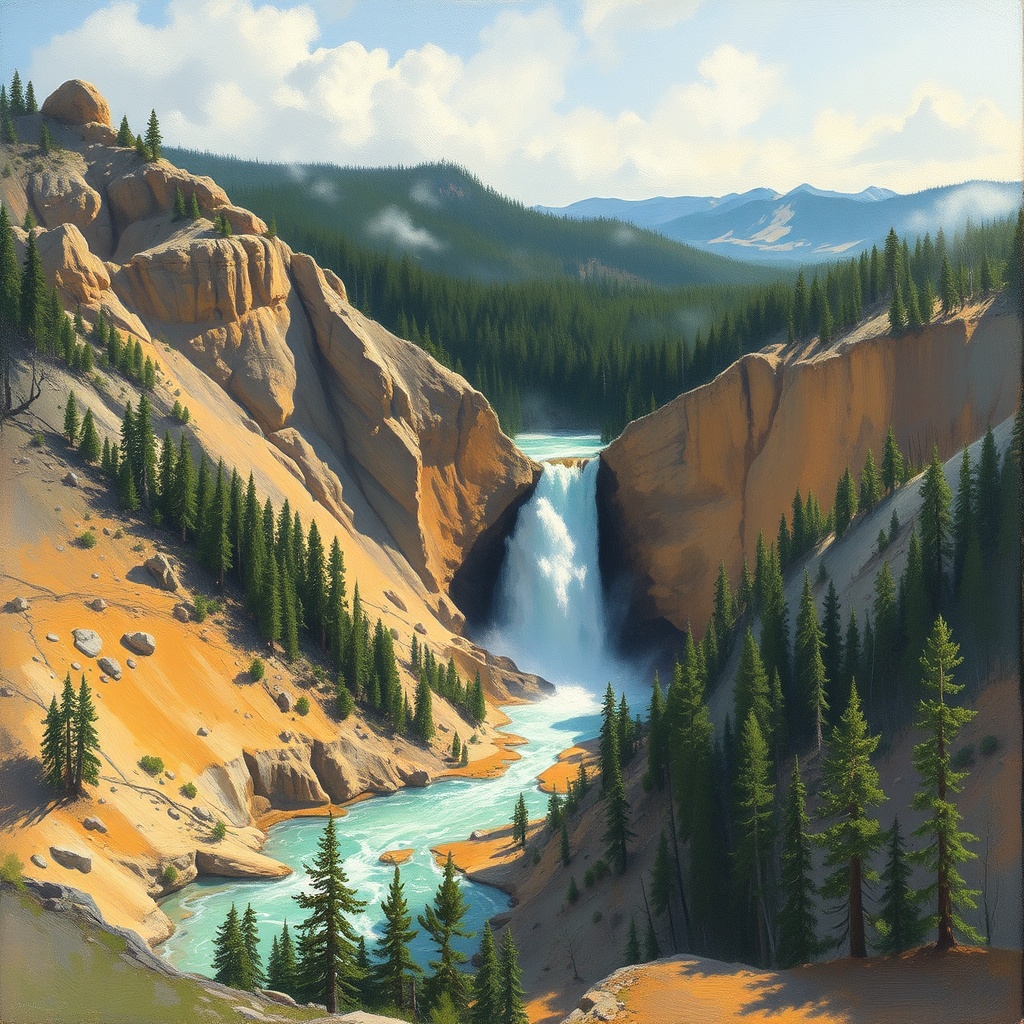
– Norris, Mammoth, and Fountain Paint Pot areas each showcase different hydrothermal activity—acidic vents, bubbling mud pots, and sinter terraces—so give yourself time to explore multiple basins.
Safety around thermal features
Thermal areas are fragile and dangerous.
Stay on designated boardwalks and trails at all times; the ground around hot springs can be deceptively thin and scalding water can cause severe injury. Pets are not allowed on boardwalks in thermal areas. Treat these landscapes with care: they’re valuable both scientifically and ecologically.
Wildlife viewing tips
– Dawn and dusk are prime times for animal activity. Lamar Valley and Hayden Valley are known for large mammals and predator sightings.
– Maintain safe distances: at least 25 yards (about 23 meters) from most wildlife, and at least 100 yards (about 91 meters) from bears and wolves.
– Never approach, feed, or block an animal’s path. Bison and elk can appear calm and then charge with little warning.
– Use binoculars or a telephoto lens for photography rather than closing the gap.
Backcountry and camping essentials
Backcountry travel requires a permit; plan routes and get permits early.
Practice Leave No Trace principles: pack out all trash, minimize campfire impacts where allowed, and use bear-resistant food storage when required. Carry bear spray and know how to use it—store it within easy reach while hiking. Check trail conditions and weather before heading out; mountain storms can develop rapidly.
Driving and accessibility
Traffic congestion is common on popular corridors, especially near thermal basins and wildlife hotspots.
Be patient and pull well off the road if you stop to watch wildlife.
Road conditions and seasonal closures change frequently, and cell service is limited—download maps and information ahead of time.
Responsible photography and drone use
Drones are prohibited in most national parks; verify current rules before bringing any unmanned aircraft. For photography, prioritize safety for yourself and animals over getting the perfect shot. Tripods and stable footing on boardwalks are preferred to prevent accidental falls into thermal features.
Conservation and stewardship
Yellowstone is a living laboratory for geology, ecology, and wildlife management. Ongoing monitoring helps scientists track geothermal changes and animal populations. Visitors support conservation by following park regulations, staying on established routes, and learning about local ecosystems at visitor centers.
Plan ahead, respect wildlife, and enjoy the park responsibly. By combining preparation with care for the landscape and its inhabitants, visitors can have safe, memorable experiences amid one of the planet’s most remarkable natural wonders.