Montana fishing blends epic scenery with some of the best trout waters in the country, drawing anglers who chase technical dry-fly action, big river nymphing, and relaxed lake outings. Whether you’re planning a first trip or refining advanced tactics, a few core strategies and conservation-minded habits will up your catch rate and leave waters healthier for the next angler.
Where to go and what to expect
Montana’s rivers and lakes offer a range of experiences: freestone rivers with pocket water and riffles, tailwaters below reservoirs with steady flows, and high-elevation lakes that reward patience. Popular draws include large freestone rivers where skiffs and drift boats are common, as well as smaller creeks that deliver delicate sight-fishing for native cutthroat. Expect variable pressure: well-known stretches can be busy, while backcountry tributaries often provide solitude.
Target species and tactics
Rainbow, brown, and cutthroat trout are the primary quarry. Browns often favor deeper runs and structure; choose streamers, larger nymphs, or heavy split-shot rigs.
Rainbows will take a wide variety of presentations from tiny midges to aggressive streamers. Cutthroat trout — especially native strains — often prefer smaller, subtler offerings and can reward sight-fishing with dry flies or tiny nymphs.
Nymphing remains the most consistently productive approach on many Montana rivers. Indicator rigs, euro-nymphing, and two-fly rigs let you probe different depths and currents. Dry-fly purists find great satisfaction during hatches, but matching the hatch with small emergers and dries is often crucial.
On lakes, try slow troll tactics with sinking lines, or stillwater nymphing with long leaders and weighted flies.
Conservation and best practices
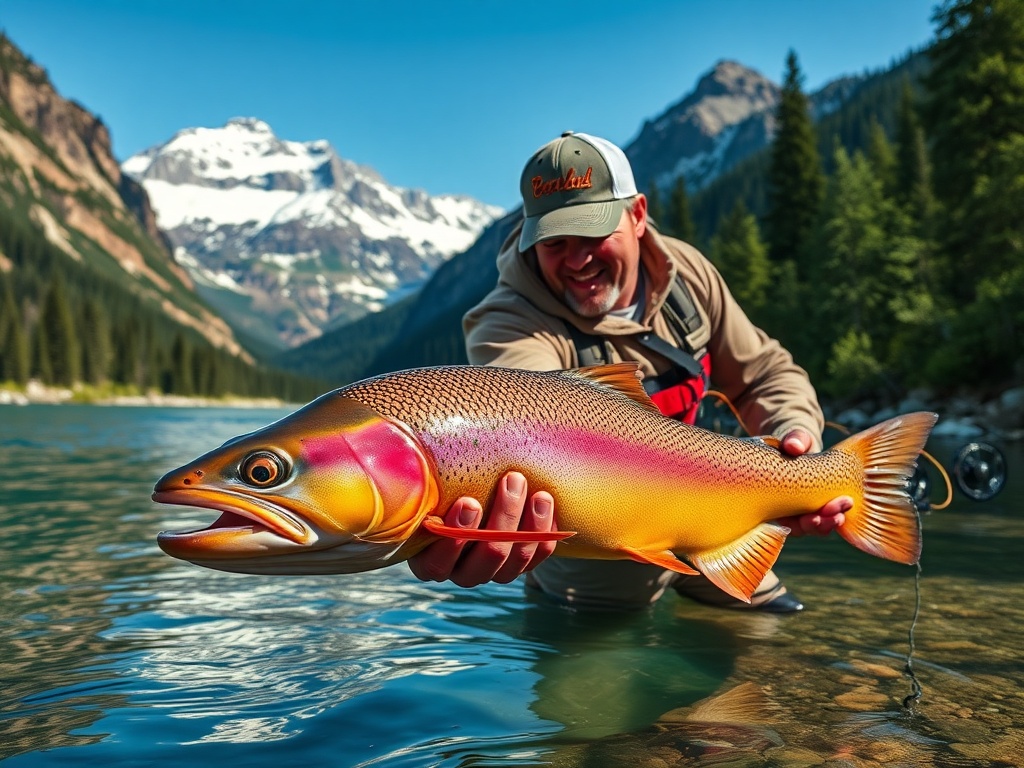
Catch-and-release is common etiquette on many waters. To give fish the best chance, use rubber nets, barbless hooks, and wet hands when handling fish. Minimize air exposure — photograph quickly and revive fish in the water until they swim off strongly. Pay special attention to native or vulnerable populations; some species or specific stretches carry stricter protections and handling recommendations, so always verify local rules before fishing.
Safety and preparation
Montana’s wilderness can change quickly. Cold water, strong currents, and remote access make preparation essential. Wear a life jacket when on a boat, carry a whistle and a basic first-aid kit, let someone know your plans, and bring layers for sudden weather changes. In bear country, follow food-storage best practices and carry bear spray where appropriate.
Licenses, guides, and local knowledge
A valid fishing license is required for all anglers; conservation stamps or additional permits may be needed for certain waters. Guided trips and local outfitters provide valuable expertise, gear, and access — especially helpful if you’re new to drift-boat fishing, float trips, or alpine lakes. Guides can also point you to lesser-known stretches that match your skill level.
Top quick tips
– Match the hatch: study insect life and adapt fly size and profile.
– Shorten leaders in wind for better control; lengthen them for delicate presentations.
– Use a rubber net and soft, wet hands to increase survival rates.
– Check flow and temperature reports before heading out; conditions affect fish behavior.
– Support local shops and guides — they’re a great source of current intel.
With respect for the resource and a few solid techniques, Montana fishing delivers memorable days on the water and a deep connection to some of the most beautiful aquatic habitats around.