Utah skiing: why the mountains attract riders from around the world
Utah’s mountains have a reputation that keeps drawing skiers and snowboarders: famously dry, light powder and a dense network of resorts within a short drive of a major airport. Whether you want steep, technical lines, family-friendly groomers, or wide-open bowls, Utah delivers terrain variety, reliable snowfall, and excellent resort infrastructure.
What makes the snow special
The lake-effect influence from the nearby Great Salt Lake produces exceptionally dry, fluffy snow that’s often called “powder” for a reason. This low-moisture snow cushions landings, holds turns, and transforms steep chutes and tree runs into playgrounds for advanced skiers while still allowing intermediate cruisers to enjoy soft surfaces.
Snow preservation is aided by cold, clear nights and efficient grooming programs at most resorts.
Top resort experiences
– Snowbird and Alta: Legendary for steep terrain, deep powder, and sustained vertical.
Alta is known for its skier-only policy and classic atmosphere; Snowbird pairs big-mountain terrain with modern lift infrastructure and terrain parks. Both are must-visits for advanced skiers and powder hounds.
– Park City and Deer Valley: Park City offers the biggest lift-served acreage and a lively town base with dining and nightlife. Deer Valley is celebrated for premium guest service, impeccably groomed runs, and an upscale on-mountain experience; note its skier-only policy.
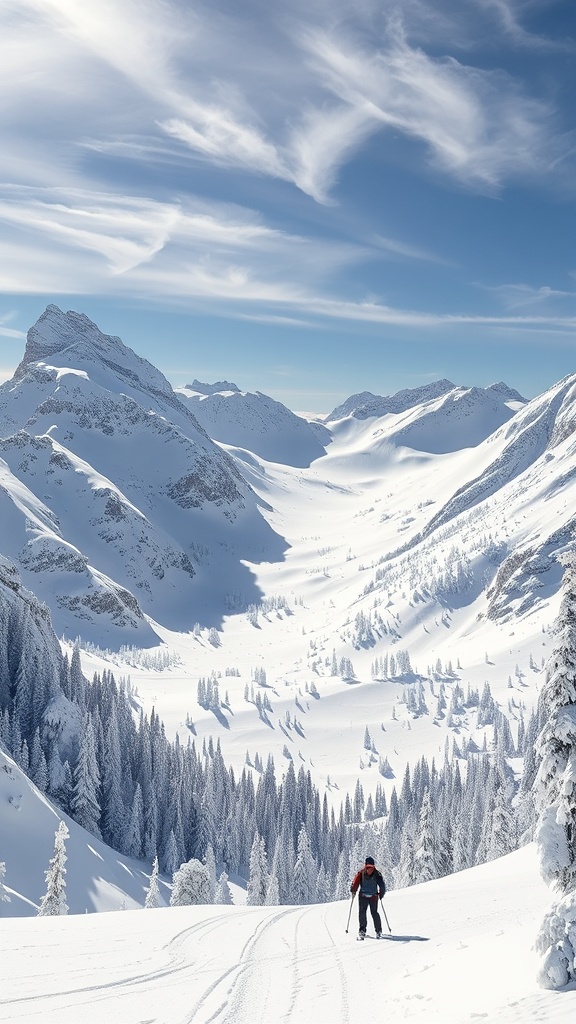
– Solitude and Brighton: Local favorites with great value, night-skiing options at Brighton, and accessible, fun terrain for families and mixed-ability groups.
– Powder Mountain: Known for vast acreage and a less-crowded, backcountry-like vibe with extensive glade skiing.
– Snowbasin and Brian Head: Snowbasin features long runs and scenic bowls; Brian Head is a budget-friendly option with family-friendly terrain, particularly appealing to visitors coming from southern Utah.
Getting there and getting around
Most major resorts are an easy drive from the Salt Lake City airport, with shuttle services, rental cars, and private transfers widely available. Park City resorts are reachable via well-maintained highways and public transit options that serve the ski corridor during high season. Resort bases typically offer ski rentals, tuning shops, and on-mountain dining to make a car-free day straightforward once you arrive.
Safety and backcountry awareness
Utah’s big mountains also mean serious avalanche terrain. Always check the regional avalanche forecast before heading out, and consider hiring a certified mountain guide for backcountry objectives. If you plan to travel off-piste, carry an avalanche transceiver, shovel, and probe, and take companion rescue training.
Even on-piste, wear a helmet, stay hydrated, and allow time to acclimate to altitude.
Planning tips
– Book lessons or demos early if trying a new sport or testing high-performance gear.
– Consider midweek or first/last lift times to find quieter runs.
– Layering is key: sun at high elevation is intense while shade and wind can feel frigid. High-SPF sunscreen and goggles with multiple lens options improve comfort.
Why Utah should be on your radar
A concentrated cluster of world-class resorts, dependable powder, accessible infrastructure, and varied terrain make Utah a compelling destination for skiers and snowboarders of every ability. Whether chasing first tracks, polishing turns on groomers, or exploring tree runs and bowls, the mountains here deliver memorable days on snow. Plan logistics, respect mountain safety, and you’ll find why so many call this place a winter playground.