Yellowstone National Park is one of the planet’s most spectacular natural laboratories — a landscape shaped by geothermal power, wild herds, and shifting ecosystems. Whether you’re drawn to the surreal colors of hot springs, the thunder of a bison herd, or quiet backcountry solitude, a thoughtful visit helps protect the park and makes the experience safer and more rewarding.
Why Yellowstone’s geothermal features are unique
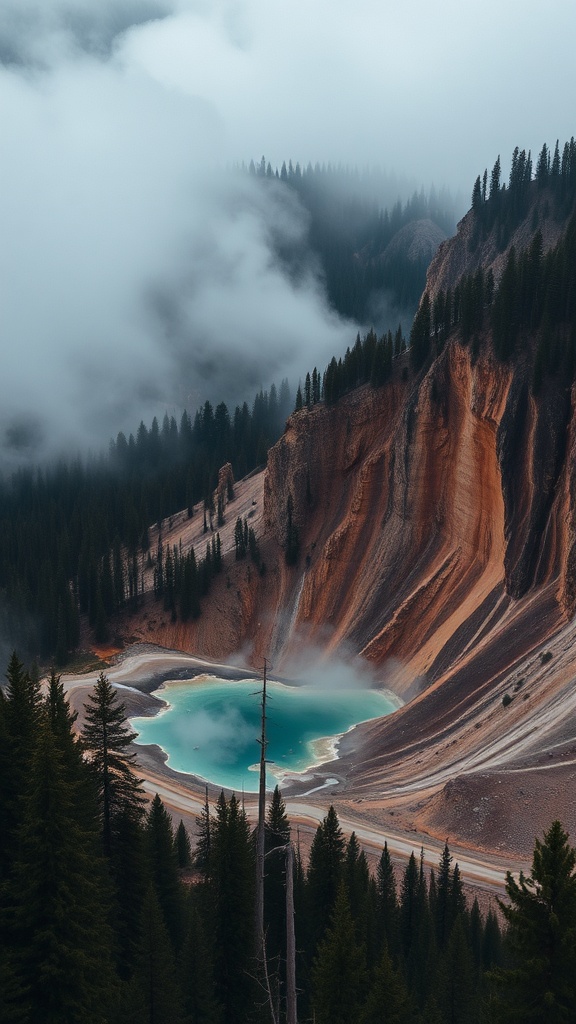
Yellowstone sits atop a massive volcanic system that fuels an extraordinary concentration of geysers, hot springs, fumaroles, and mud pots. Thermal waters host heat-loving microbes that form the brilliant orange, green, and blue mats that make sights like Grand Prismatic Spring visually iconic. These microbes are not just pretty — they are key to understanding extremophile life and the park’s unique chemistry.
Hydrothermal activity remains dynamic: pools can shift temperature, spring outflows change course, and new vents can appear, so the landscape you see can evolve over surprisingly short timescales.
Wildlife viewing: respect and distance
Yellowstone’s wildlife is a living headline.
Bison, elk, wolves, bears, and myriad bird species draw visitors from around the world. For the safety of animals and people, maintain ample distance: use binoculars or a telephoto lens rather than approaching. Bison can appear deceptively calm and often charge when disturbed. Predators like wolves and bears are protected and should never be fed or harassed. Keep pets leashed and avoid crowding along roadsides — bottlenecking wildlife can stress animals and increase dangerous encounters.
Safety in thermal areas and backcountry
Thermal features are fragile and hazardous.
Boardwalks and marked trails exist for a reason: thin crust can give way to scalding water and acidic ground. Stay on designated paths and obey all warning signs. In the backcountry, conditions can change rapidly — pack navigation tools, sufficient water, layers, and a basic first-aid kit. Carry and know how to use bear spray; store food and scented items in approved containers to minimize wildlife attractants.
Sustainable practices that protect the park
Conservation-minded choices keep Yellowstone resilient. Pack out everything you bring in, minimize single-use plastics, and use established restroom facilities. Respect seasonal closures and restoration zones; many areas are closed to allow vegetation recovery or to protect sensitive thermal features. Leave natural and cultural objects where you find them — removing rocks, thermal formations, or artifacts harms scientific value and the experience for future visitors.
Practical tips for a better visit
– Go early or late to avoid crowds and increase chances of wildlife sightings.
– Expect limited cell service; download maps and park information beforehand.
– Photography: use a zoom lens for wildlife and wide angles for geothermal panoramas; avoid stepping off trails for a better shot.
– Drones are not permitted and can disturb wildlife and visitors.
– Check ranger briefings or visitor center updates for trail conditions, closures, and safety notices.
Yellowstone rewards patience and respect. By observing safety guidelines, maintaining distance from wildlife, and practicing low-impact travel, visitors help preserve the park’s extraordinary features and ensure those vivid thermal colors, thunderous herds, and quiet backcountry remain part of the experience for generations of visitors to come. Plan thoughtfully, move carefully, and let Yellowstone’s wild systems do the teaching.