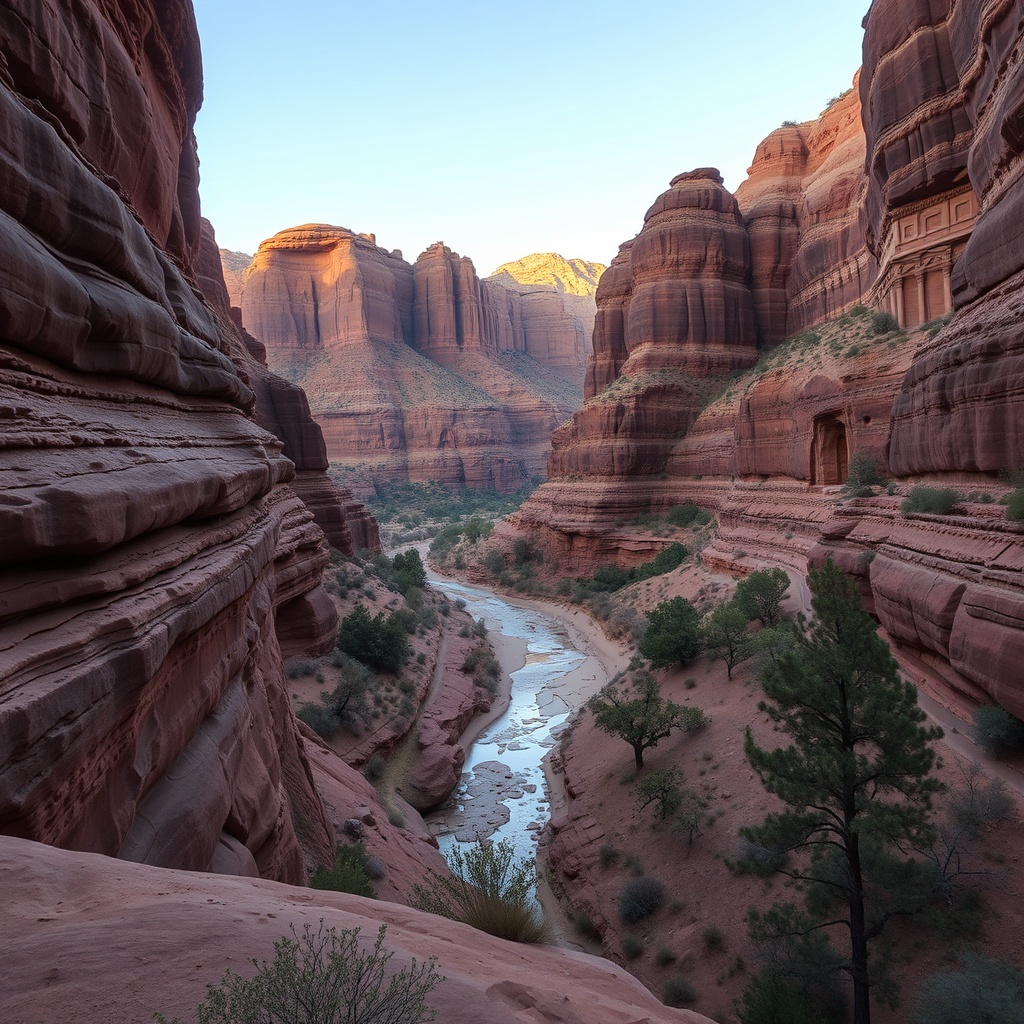
Moab’s parks offer one of the most striking desert landscapes in the country, where towering fins, natural arches, and sweeping canyon rims invite exploration. Whether you’re drawn to the iconic formations near Arches National Park, the vast panoramas of Canyonlands, or the slickrock riding near town, a little planning makes the experience safer and more rewarding.
What to expect
– Dramatic, fragile sandstone features: popular viewpoints like Delicate Arch and Mesa Arch are unforgettable but fragile. Stay on established trails and viewpoints to protect cryptobiotic soil and prevent erosion.
– Variable conditions: desert heat, sudden storms, and large temperature swings between day and night are common.
Trails can be rocky and exposed; cell service is intermittent in many areas.
– Crowds at sunrise and sunset: the best light draws most visitors. Consider visiting less-trafficked areas or timing your visit for later morning or early afternoon to avoid peak crowds.
Practical tips
– Check access and permits before you go. Some popular areas require timed-entry reservations, guided-tour permits, or backcountry permits for overnight trips.
Rules are updated periodically, so confirm the latest requirements on official park or state park sites.
– Bring plenty of water. A good rule is to carry at least one gallon per person per day in hot, exposed terrain. Also pack sun protection, layers for cool evenings, and sturdy footwear.
– Choose trails wisely. Short hikes like the Delicate Arch and Mesa Arch viewpoints are accessible but can be steep and exposed. For quieter hiking, explore trails such as Grandstaff Trail to Morning Glory Natural Bridge or the more remote Klondike Bluffs routes in Arches’ backcountry.
– For mountain bikers and off-road drivers, Sand Flats Recreation Area and the Slickrock Trail offer legendary terrain. Ride within your skill level, obey seasonal closures, and pay required fees at trailheads. Longer routes like the White Rim Road demand careful preparation, vehicle reliability, and the proper permits for multi-day trips.
Responsible travel
– Leave No Trace: pack out all trash, stay on durable surfaces, and avoid climbing on fragile formations. Even a small footprint can accelerate erosion on sandstone.
– Respect wildlife and cultural sites: observe from a distance and don’t disturb archaeological features.
– Consider guided options: local guides offer interpretation, safety, and access to some routes that require permits or technical skills.
They can also steer you to less-crowded highlights.
Alternatives to the busiest spots
– If you want a similar feel without the crowds, explore side canyons, less-popular overlooks, or state-managed areas like Dead Horse Point, which offers dramatic views with fewer people. Nearby BLM lands host a network of trails and arches accessible with minimal infrastructure.
Safety essentials
– Let someone know your route and expected return when heading into remote or backcountry areas.
– Be prepared for sudden weather—storms can produce flash floods in narrow canyons.
– If climbing or canyoneering, carry and know how to use technical gear; many routes are technical and require experience.
With proper planning and a focus on stewardship, Moab’s parks remain a spectacular, accessible playground for hikers, climbers, bikers, and photographers.
A respectful approach keeps these landscapes healthy and beautiful for everyone who comes to experience them.