Navajo Art: Living Traditions, Evolving Forms
Navajo art—created by the Diné people—carries deep cultural meaning while remaining a vibrant, evolving part of contemporary art and design. From handwoven rugs and blankets to silver-and-turquoise jewelry and ceremonial sandpainting, Navajo artwork blends ancestral techniques, local materials, and symbolic motifs that speak to identity, history, and place.
Weaving: technique, styles, and symbols
Weaving is central to Navajo visual expression.
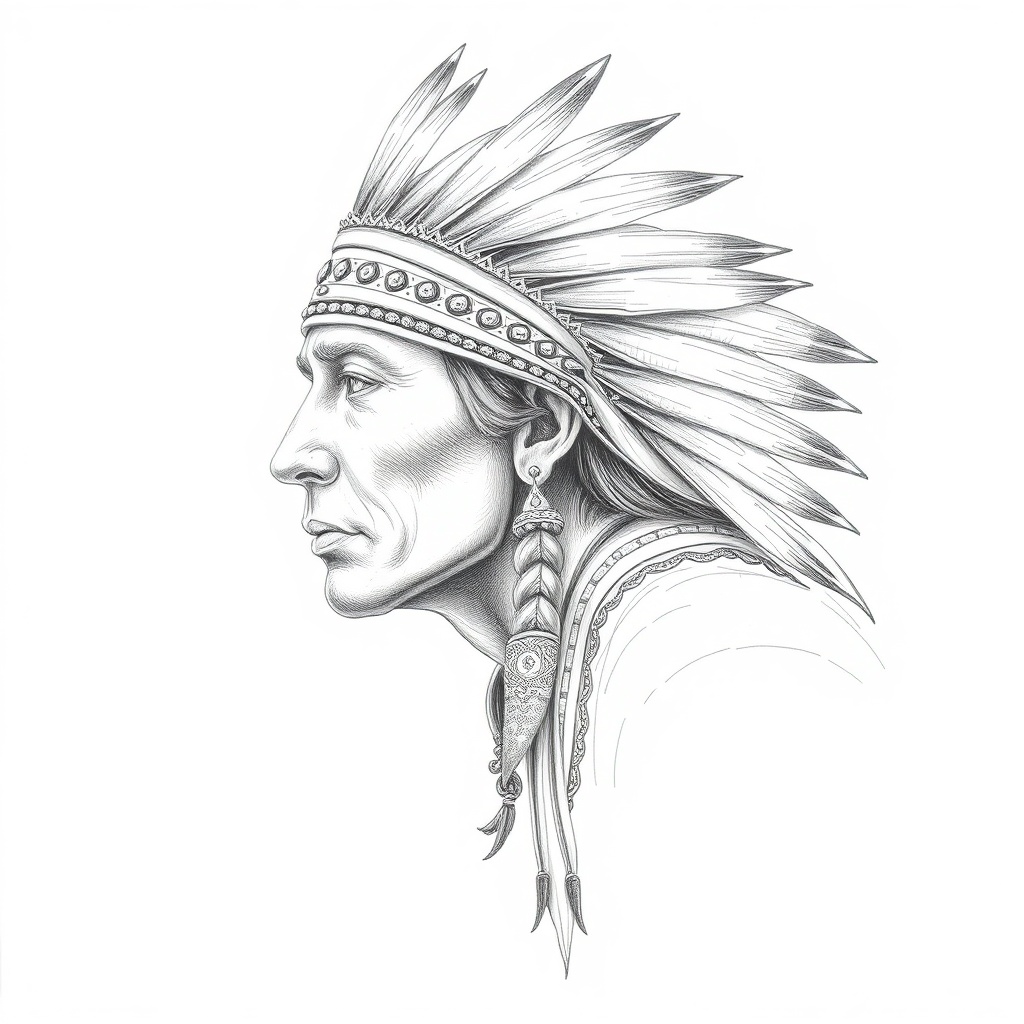
Traditional rugs and blankets are crafted from handspun wool, often sourced from Navajo-Churro and other sheep breeds, and dyed with natural or commercial dyes. Distinct regional styles have emerged, known by collectors and makers for their unique palettes and motifs—ranging from geometric fields and stepped diamonds to striking “Eye Dazzler” patterns and more restrained Two Grey Hills palettes. Motifs frequently reference landscape, cosmology, and clan stories, but some designs are also modern adaptations for contemporary tastes. Weavers often sign their work or include provenance that traces an item back to a family or community—an important factor for authenticity.
Jewelry: silver, turquoise, and innovation
Navajo silversmithing is renowned for its craftsmanship. Traditional techniques include hand-hammering, stamping, and stone-setting, with turquoise remaining a signature stone. Silverwork ranges from bold, reclaimed-silver pieces to delicate, contemporary necklaces and rings that fuse traditional motifs with modern forms. Today, many Navajo jewelers combine age-old processes with experimentation in metals, stones, and mixed media, producing work that appeals to collectors and fashion audiences alike.
Ceremonial arts and cultural care
Sandpainting and other ceremonial arts remain vital to healing and ritual life. Because many designs have sacred purposes, cultural protocols guide who may make, show, or reproduce certain works. Respectful engagement means recognizing that not every beautiful pattern is appropriate for decoration or commercial use. Museums and curators are increasingly working with Navajo communities to ensure that exhibitions honor cultural context and ownership.
Authenticity, ethics, and the market
Collectors and buyers should prioritize provenance and direct relationships with artists or recognized galleries. Federal truth-in-advertising protections exist to help prevent misrepresentation of Native-made art, but due diligence—asking for artist names, origin, and documentation—remains essential. Purchasing directly from Navajo artists or community-run cooperatives supports artisans economically and culturally. Be cautious of mass-produced items that mimic Navajo styles but lack authentic origin or spiritual context.
Caring for Navajo textiles and jewelry
Textiles should be stored flat or rolled with acid-free tissue in a cool, dry place away from direct sunlight. Avoid moth-prone environments and handle wool pieces with clean hands. For Navajo silver and turquoise, gentle cleaning with a soft cloth keeps silver bright; avoid harsh chemicals on stones and seek a professional conservator for valuable or fragile pieces.
When in doubt, ask the artist or a trusted conservator for care recommendations.
Engaging respectfully
Whether collecting, commissioning, or displaying Navajo art, emphasize transparency, fair compensation, and cultural sensitivity. Request artist information, learn about the meanings behind motifs when appropriate, and avoid using sacred designs without permission. Supporting community arts programs and local markets helps sustain traditions and fosters the next generation of weavers, silversmiths, and visual artists.
Navajo art is both timeless and contemporary—rooted in tradition yet responsive to changing aesthetics and markets.
Approached with respect and curiosity, it offers a rich, enduring connection to the Diné world and creative legacy.