Utah blends dramatic desert landscapes, towering mountain peaks, and lively urban culture, making it a year-round destination for outdoor enthusiasts and curious travelers. From the iconic sandstone arches and deep slot canyons to world-class ski slopes and a growing culinary scene, the state rewards visitors who plan smart and travel responsibly.
What to see and do
– The five iconic national parks — often called the “Mighty 5” — offer contrasting landscapes: soaring cliffs, natural arches, and sweeping canyons ideal for hiking, photography, and backcountry exploration. Popular overlooks are accessible to families, while advanced routes and technical climbs require experience and permits.
– Moab serves as a hub for mountain biking and river adventures, with singletrack trails, rock formations, and guided rafting trips available for multiple skill levels.
– The Wasatch Range delivers accessible alpine recreation minutes from Salt Lake City and Park City. Ski resorts draw winter recreationists with groomed runs and backcountry options; in warmer months the same terrain becomes a playground for hiking, climbing, and trail running.
– The Great Salt Lake and surrounding wetlands host abundant birdlife and offer unique scenery. Wetlands, marshes, and shorelines are important habitats — observing them from marked trails and viewing areas minimizes disturbance.
Responsible travel tips
– Pack for variable conditions. High desert and high alpine environments can switch from hot to cold quickly; layers, sun protection, and ample water are essentials.
– Water is a precious resource across the region. Conserve water when visiting and support local conservation initiatives that restore riparian habitats and reduce water loss.
– Many popular sites require reservations, permits, or timed-entry passes to protect trails and ecosystems.
Check official land-management websites and secure permits well ahead of planned activities.
– Practice Leave No Trace principles: stay on durable surfaces, pack out all trash, avoid disturbing wildlife, and use established campsites where provided.
– Fire risk can be high in dry seasons; follow local fire regulations, use approved stoves instead of open fires where required, and never discard burning materials.
Off-the-beaten-path ideas
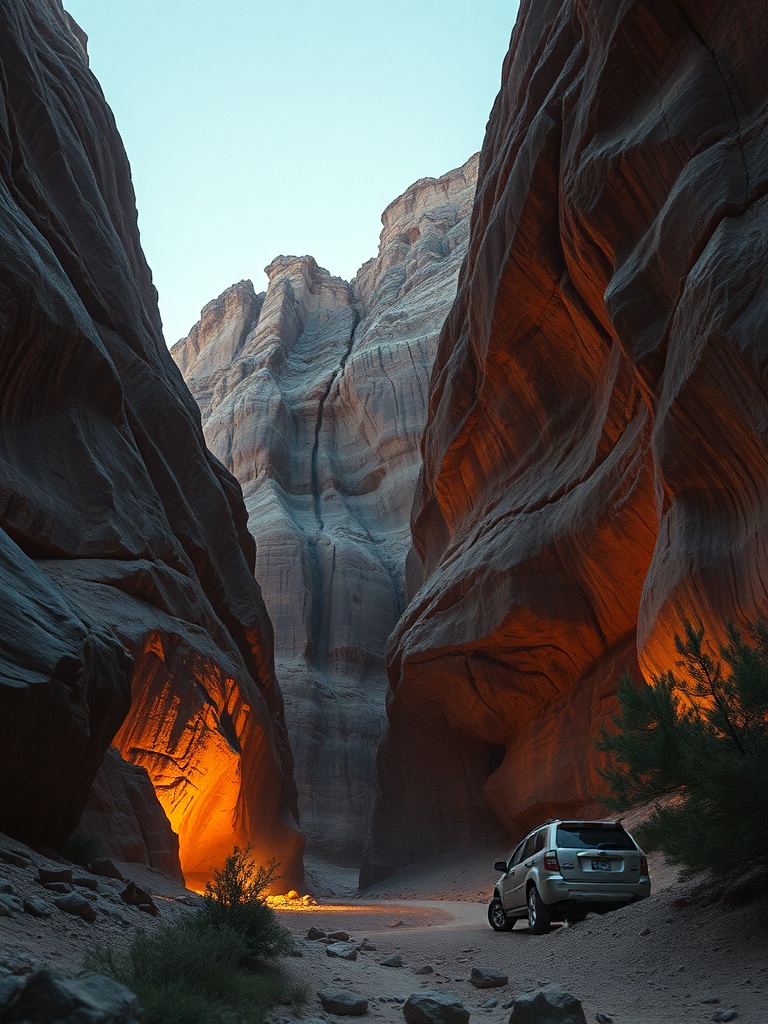
State parks and public lands beyond the main park circuit offer quieter experiences and dramatic scenery. Hidden slot canyons, lesser-known viewpoints, and desert-expanse drives provide solitude for photographers and hikers. Local visitor centers and ranger stations can point to seasonal access changes and suggested low-impact routes.
Urban and cultural experiences
Salt Lake City and nearby mountain towns blend outdoor lifestyle with vibrant arts, dining, and cultural offerings. Farmers markets, brewing scenes, and local restaurants highlight regional ingredients. Film and music events attract creative communities, while museums and historical sites share the region’s complex cultural heritage.
Safety and preparedness
Altitude, remoteness, and changing weather are the main safety considerations. Let someone know your route, carry a map and backup navigation, and bring extra food and water for unexpected delays.
For technical pursuits — canyoneering, alpine climbing, or multi-day backpacking — consider hiring a certified guide or joining a guided trip if unfamiliar with route-finding and rescue protocols.
Supporting the landscape
Travelers can leave a positive footprint by choosing sustainable lodging, supporting local businesses, contributing to habitat restoration efforts, and staying informed about water-use initiatives.
Small choices—filling reusable water bottles, using public transit where practical, and following posted restrictions—help preserve Utah’s landscapes for future visitors and the communities that depend on them.
Whether seeking solitude in a red-rock canyon, carving turns on a powdery slope, or exploring a lively downtown scene, thoughtful planning enhances the trip and protects the very places that draw people here.