How Mining Towns Reinvent Themselves: From Extraction to Resilience
Mining towns are unique communities shaped by geology and industry. Their identities often reflect the boom-bust nature of resource extraction: rapid growth when mines open, hard adjustments when ore runs low, and complex legacies that include cultural heritage, environmental challenges, and untapped economic potential.
Today, many mining towns are finding creative paths to sustainable futures.
Preserving heritage while adding value
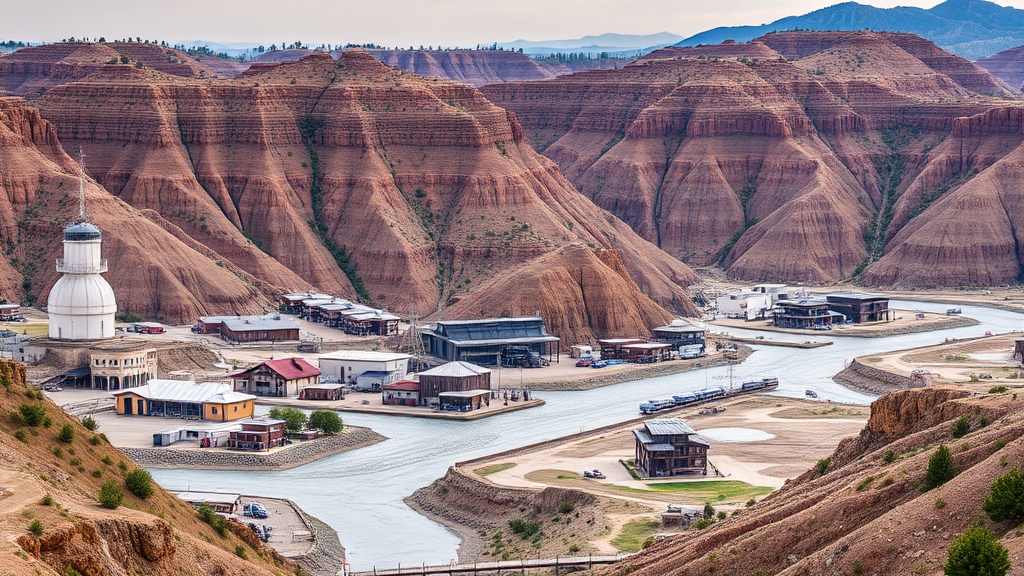
Historic mining infrastructure—headframes, bunkhouses, rail lines—can become powerful assets. Adaptive reuse transforms industrial relics into museums, lodgings, restaurants, and event spaces that attract heritage tourism. Thoughtful interpretation tells workers’ stories, highlights technological innovation, and creates year-round attractions. Branding that emphasizes authenticity and outdoor access can make former extraction hubs must-see destinations for travelers seeking experience-based trips.
Diversifying the local economy
Long-term resilience depends on moving beyond single-industry dependence. Diversification strategies include:
– Outdoor recreation development: Trails, biking, climbing and fishing leverage surrounding landscapes to extend tourist seasons.
– Renewable energy projects: Former mine sites and grid proximity are attractive for solar or wind installations, creating jobs and new revenue streams.
– Remote work hubs: Investing in reliable broadband and co-working facilities helps retain residents and attract professionals seeking affordable, scenic places to live.
– Small-scale manufacturing and artisanal production: Local goods—craft beverages, woodworking, specialty foods—can capitalize on heritage branding and export opportunities.
Environmental remediation as opportunity
Remediation and reclamation are necessary for health and land reuse, but they also create economic and ecological value. Methods such as soil stabilization, wetland creation, and phytoremediation restore habitats and make parcels buildable or suitable for recreation. Brownfield redevelopment grants and public-private partnerships can finance cleanup and convert liabilities into municipal assets. Integrating remediation with community planning ensures that reclaimed land meets local needs—parks, solar farms, or commercial lots.
Community-led planning and workforce transition
Successful transitions prioritize inclusive, long-term planning. Community engagement fosters local buy-in and identifies priorities—housing, health services, education, and cultural preservation. Workforce retraining programs, developed with regional colleges and industry partners, align local skills with emerging sectors like renewable energy, tourism management, and digital services. Small-business incubators and microloan programs support entrepreneurs who keep wealth circulating locally.
Technology and modern mining practices
While closures are central to many towns’ stories, modern mining practices can coexist with community goals when operations follow strict environmental and social governance standards. Advances in automation reduce on-site labor needs but create demand for higher-skilled maintenance and monitoring roles. Rigorous reclamation clauses, community benefits agreements, and transparent revenue-sharing arrangements help ensure extractive activity contributes to sustainable development.
Financing and partnerships
Funding sources include government grants, impact investors, philanthropic funds, and corporate reclamation commitments.
Strategic partnerships—between municipalities, universities, private developers, and regional economic bodies—pool expertise and reduce risk. Focused projects with clear economic multipliers, like trail networks or renewable installations, often attract the most support.
A sustained approach
Reinventing a mining town takes time, but incremental wins build momentum. By leveraging heritage, investing in infrastructure, prioritizing remediation, and diversifying the economy, former extraction communities can transform into resilient places where people live, work, and visit. With community-led vision and strategic partnerships, mining towns can translate a complex past into a durable, prosperous future.