Wyoming travel guide: why this wide-open state belongs on your radar
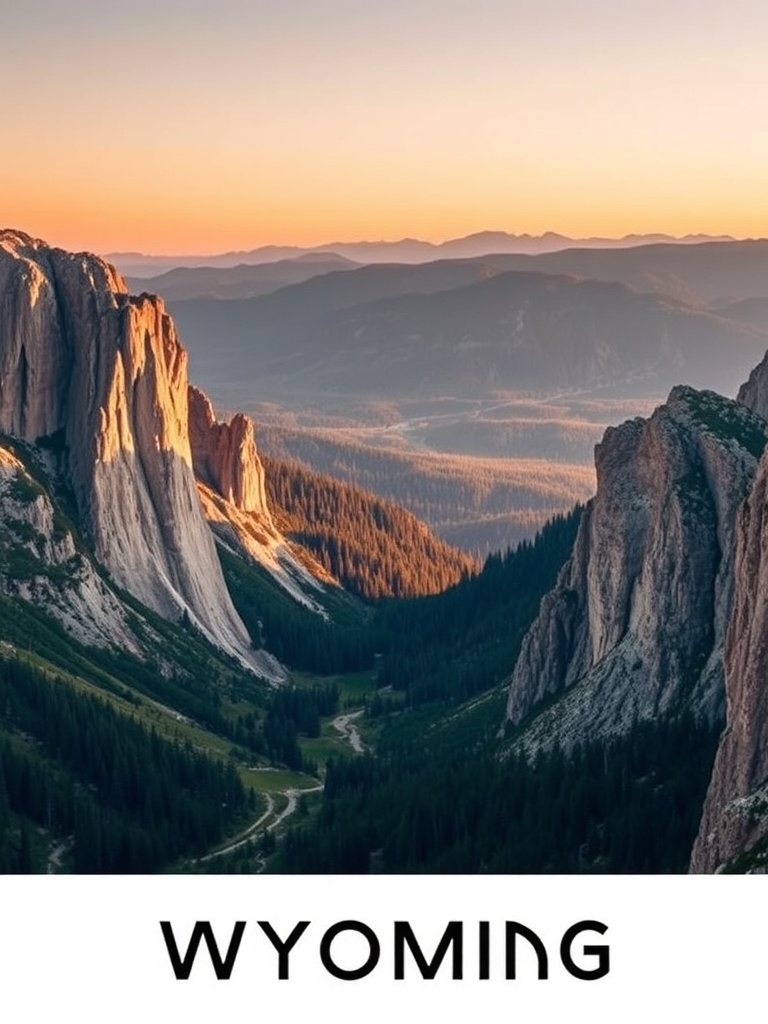
Wyoming is open space, dramatic skies, and a culture rooted in ranching, outdoor adventure, and rugged independence.
From steaming geysers and jagged peaks to quiet sagebrush plains, it’s one of the best places to disconnect, get active, and see large mammals in their natural habitat.
Whether you’re planning a long weekend or a longer backcountry escape, here’s what to know to make the most of the Cowboy State.
Top places to visit
– Yellowstone National Park: Famous for geysers, hot springs, and geothermal features, Yellowstone also offers wildlife viewing like bison, elk, moose, and wolves.
Watch from safe distances and follow park rules to protect both animals and visitors.
– Grand Teton National Park: Classic alpine scenery with hikes, scenic drives, and paddling on pristine lakes beneath dramatic peaks.
– Jackson Hole: A hub for outdoor recreation, Jackson Hole combines boutique shops, restaurants, and access to world-class skiing and mountain biking.
– Wind River Range and Bighorn Mountains: Less crowded alternatives for backpacking, fishing, and technical climbs.
– Devils Tower and historic western towns like Cody and Laramie: Explore climbing, rodeos, museums, and authentic cowboy hospitality.
– Hot springs: Soak in natural pools at several public and private hot springs for a relaxing end to a long day on the trail.
Practical planning tips
– Expect long distances and limited cell coverage. Fill your gas tank whenever possible and carry extra water, snacks, and a printed map for remote drives.
– Weather can change fast—layer clothing, bring a waterproof shell, and pack for chilly nights even after a warm day.
– Many recreation areas require permits for backcountry camping, river float permits, or wilderness entry. Check with ranger stations before you go and make reservations where required.
– Entrance passes: National park and public-land passes can simplify access if you plan to visit multiple sites.
– Airports in and near the state make travel convenient, but renting a vehicle remains the best way to explore widely.
Safety and wildlife etiquette
– Keep a safe distance from wildlife: approaching animals, even grazing ones, is dangerous and often illegal. Use optics for close-up views and never feed wildlife.
– For bear country, carry bear spray and know how to use it. Store food and scented items in approved containers or bear lockers at campsites.
– If you encounter large mammals on trails, give them space, back away slowly, and avoid surprising them—especially during mating and calving seasons.
Sustainable travel and respect
A large portion of the state is public land, and local communities depend on healthy ecosystems and respectful tourism. Practice Leave No Trace principles: pack out what you bring in, stick to established trails, and be mindful of seasonal closures or tribal requests that protect cultural sites. Many destinations encourage voluntary closures around sacred sites—honoring those requests helps preserve places for future visitors and respects local tribes.
Why visit now
Wyoming’s combination of vast public lands, iconic national parks, and authentic small-town culture makes it an enduring destination for nature lovers and outdoor enthusiasts.
Whether you’re chasing geysers, summiting a peak, or relaxing in a hot spring, thoughtful planning and respect for the landscape will help you get the most from your visit. Pack for the unexpected, leave the place better than you found it, and enjoy wide-open skies and unforgettable scenery.