Montana fishing remains a top draw for anglers chasing wild trout, expansive reservoirs, and trophy warmwater species. With clear freestone rivers, alpine lakes, and wide tailwater fisheries, the state offers diverse opportunities for fly fishers and bait anglers alike. Whether you’re targeting picky dry-fly rises or trolling deep structure for lake trout, a few practical strategies will improve success and protect fisheries.
Where to go and what to expect
– Rivers: Freestone rivers like the Madison, Gallatin, Yellowstone, and parts of the Missouri produce consistent trout action and classic hatches. Tailwaters below dams are steady, offering predictable flows and thermally stable trout fishing. Smaller Blue Ribbon streams, creeks, and high-country waters offer solitude and native cutthroat encounters.
– Lakes and reservoirs: Expect lake trout, rainbow trout, and kokanee in deep, cold lakes; crappie, bass, and walleye in warmer waters. Alpine lakes reward light rods and weedless flies; larger reservoirs require heavier gear and electronics for locating schools.
– Warmwater fisheries: Northern pike and carp inhabit backwaters and river complexes—fast action for anglers using streamers, spoons, or live bait.
Seasonal strategy (by season)
– Spring: Watch for runoff and high flows on freestone rivers—focus on tailwaters and spring creeks when mainstem rivers are muddy. Nymph rigs and streamers work well where fish feed opportunistically.
– Summer: Early morning and late evening are prime for dry-fly and balanced-nymph presentations when hatches are active.
Midday, fish deeper seams or lakes with subsurface rigs.
– Fall: Cooling water concentrates trout near structure; bigger streamers and heavier nymphs can tempt aggressive fish feeding for winter.
– Winter: Ice fishing and tailwater shore fishing remain productive where open water persists.
Gear and tactics that work
– Fly selection: Keep a quiver of dries (elk hair caddis, parachute humpy, Adams), nymphs (pheasant tail, copper john, zebra midge), and streamers (woolly bugger, sculpin patterns).
Size and color should match local insects—local fly shops can pinpoint current patterns.
– Rods and leaders: For most trout waters, 4–6 weight rods are ideal; heavier rods are useful for big rivers, streamers, or lake trout. Use 9–12 ft tapered leaders and add tippet that matches insect size.
– Techniques: Mastering nymph drift and indicator placement beats blind casting. Learn to read seams, tailouts, and pocket water.
On lakes, use downriggers, weighted flies, or slow-trolled liners to find depth.
Conservation and etiquette
Protecting fisheries ensures long-term enjoyment.
Practice catch-and-release where appropriate, use barbless hooks to reduce injury, and revive exhausted fish before release. Prevent the spread of invasive species by cleaning, draining, and drying boats, nets, and gear between water bodies. Respect private land—ask permission for access and use designated public access points where possible. Pack out all trash and discarded line to protect wildlife.
Regulations, safety, and local intel
Always carry a valid license and verify regulations for species limits, seasonal closures, and special rules before fishing. River conditions can change quickly—check flow reports and hatch patterns through local fly shops or fishery websites.
For float trips and wading, prioritize safety: wear a life jacket on the water, use a wading staff, and be cautious of fast currents and cold temperatures.
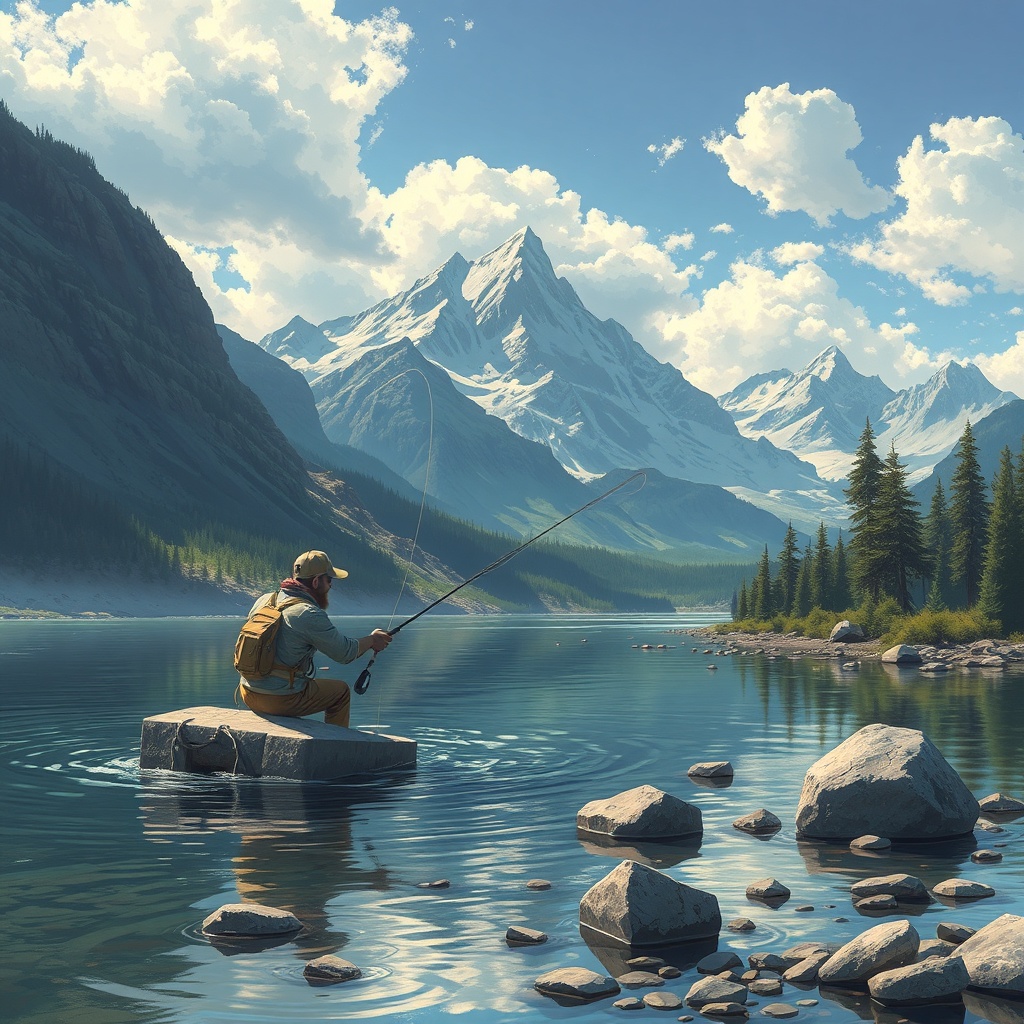
Connect with local outfitters and shops for up-to-date reports, guided options, and the best flies for any water. With preparation, respect for the resource, and attention to seasonal patterns, Montana fishing can deliver unforgettable days on the water.