Rugged, vast, and endlessly photogenic, the Rocky Mountains are a magnet for outdoor lovers, photographers, and anyone seeking a high-elevation escape. Stretching across a huge swath of western North America, these ranges offer dramatic peaks, alpine lakes, and a mix of ecosystems that change with elevation—making the Rockies a compelling destination year-round.
Geology and landscapes
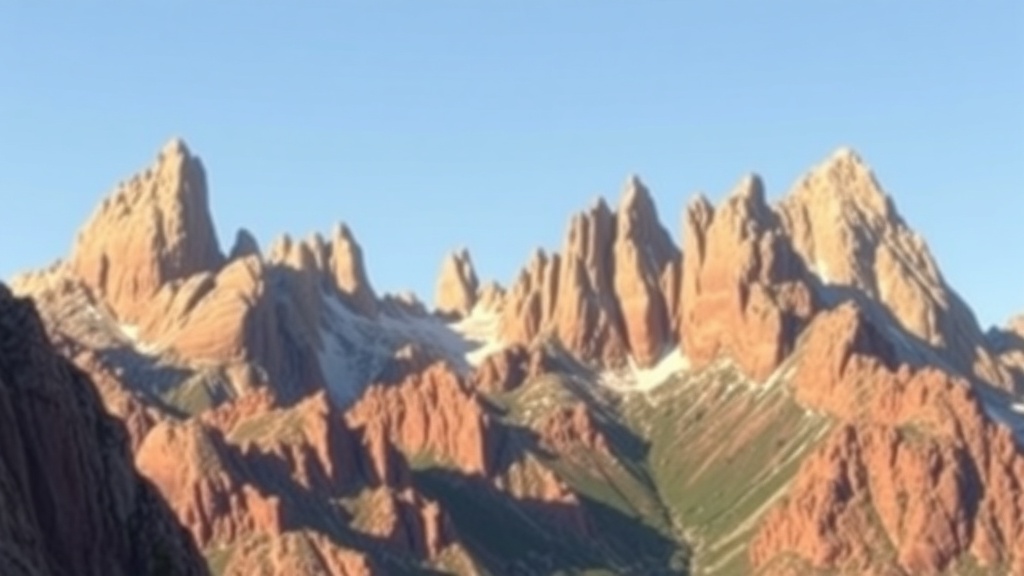
The Rockies were forged by tectonic forces and sculpted by glaciers, which left behind sharp ridgelines, U-shaped valleys, and cirque basins. Granite, gneiss, and sedimentary layers create a textured palette of colors that shift with the light. Roadside viewpoints and overlooks reveal vast panoramas; backcountry basins offer quieter, close-up encounters with glaciers, talus slopes, and wildflower meadows.
Outdoor activities for every season
Hiking and backpacking dominate the warm months, with trails ranging from family-friendly loops to multi-day ridge traverses along the Continental Divide. Mountain biking and trail running are popular where singletrack permits allow.
As temperatures cool, alpine slopes transform into prime zones for backcountry skiing and snowboarding; many established resort towns also cater to skiers with groomed runs and lift access. Fishing, paddling on high-elevation lakes, and scenic drives—especially along designated byways—round out the options for less strenuous days.
Wildlife and conservation
The Rockies support a rich assemblage of wildlife: elk, mule deer, moose, bighorn sheep, black and grizzly bears, wolves in some areas, and countless bird species.
Observing animals from a safe distance is essential for both human safety and animal welfare. Conservation efforts across the region focus on habitat connectivity, invasive species management, and balancing recreation with preservation. Many protected areas and wilderness designations help maintain core habitats and ecological processes.
Practical planning and safety
Altitude is a key consideration. Even moderate exertion can feel harder at high elevations; allow time to acclimate, stay hydrated, and recognize symptoms of altitude sickness. Weather can shift rapidly—sunny mornings can give way to afternoon storms—so pack layers, rain protection, and sun protection. For backcountry trips, carry a map and compass or GPS, inform someone of your route, and know basic wilderness first aid. Fire restrictions may apply during dry periods, so check local regulations before building any fire.
Sustainable travel tips
Practice Leave No Trace principles: pack out all waste, avoid disturbing wildlife, and stick to established campsites and trails.
Choose quieter times and less-crowded routes to reduce impact, and support local economies by patronizing small businesses in mountain towns. When possible, use shuttle services, carpool, or public transit to trailheads to reduce vehicle congestion and emissions.
Where to focus your visit
Popular national parks and national forests provide iconic scenery and reliable facilities, while lesser-known parks and backcountry areas offer solitude and wildlife viewing. Whether chasing fall colors, spring wildflowers, or powder days, plan around permit requirements and trail conditions for a smoother experience.
The Rockies remain a place of contrast—raw and accessible, tranquil and challenging. With thoughtful preparation and respect for fragile alpine environments, visitors can enjoy memorable adventures while helping protect these mountains for the long term.