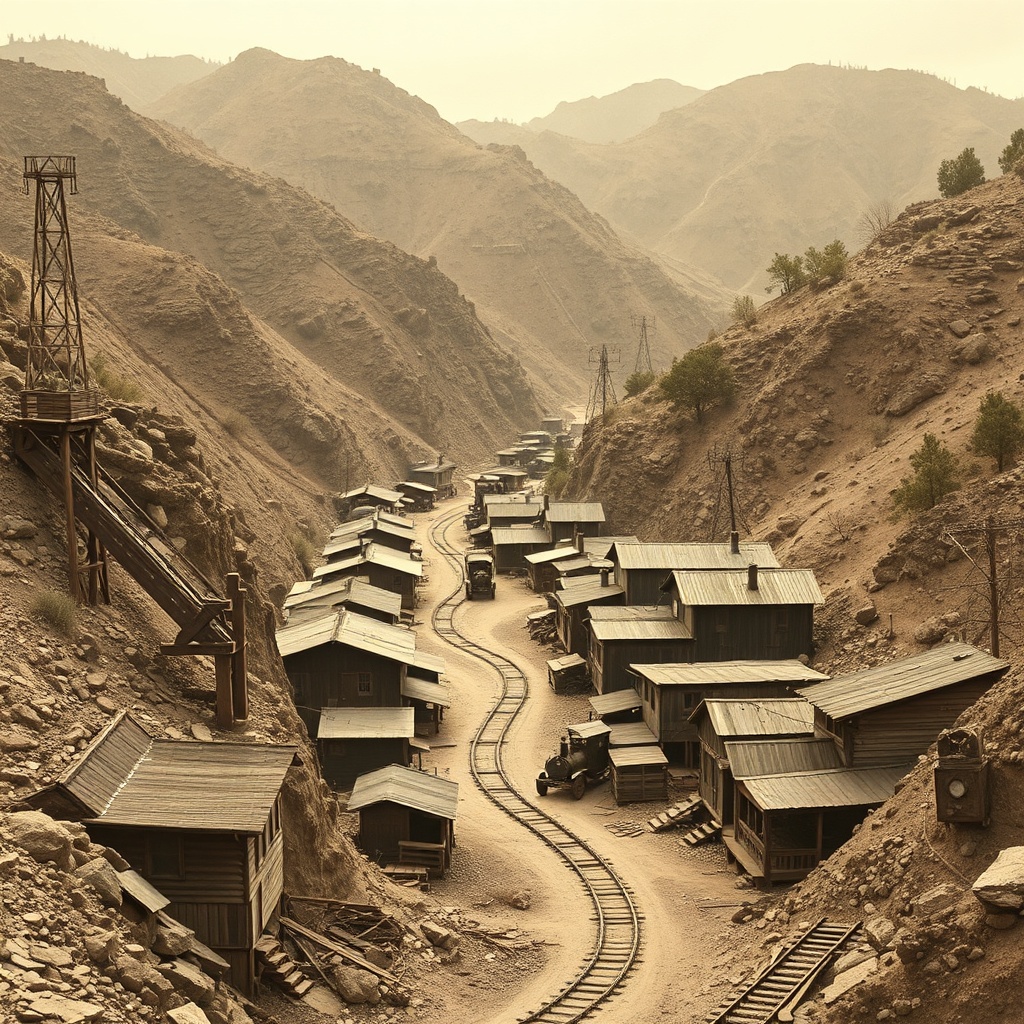
Mining towns carry a unique blend of history, hardship, and opportunity. Once-dominant centers of extraction, these communities face persistent challenges as mineral cycles change, regulations tighten, and mechanization reduces labor needs. At the same time, they hold assets—built heritage, skilled labor, and strategic land—that make them prime candidates for creative revitalization.
The legacy of extraction
Mining towns often contend with environmental legacies: contaminated soils, tailings ponds, and altered waterways. Addressing these issues through mine reclamation and brownfield redevelopment is essential not only for public health but also for unlocking new economic uses. When reclamation is planned with community input and long-term land use in mind, former mine sites can become parks, solar farms, light-industrial zones, or mixed-use developments.
Economic diversification strategies
Diversification is the most durable route away from boom-bust dependence. Workforce retraining programs tailored to transferable skills—welding, heavy equipment maintenance, geology, and project management—help workers pivot into renewable energy, construction, and advanced manufacturing. Small-business incubators and incentives for remote-friendly employers can attract a wider range of companies. Encouraging local entrepreneurship, from hospitality to artisanal crafts, builds resilience by spreading economic risk across multiple sectors.
Heritage tourism and cultural reuse
Heritage tourism transforms mining history into an asset. Interpreting mining infrastructure through museums, guided mine tours, and interpretive trails draws cultural travelers and school groups.
Adaptive reuse of industrial buildings—converting mills into galleries or co-working spaces—preserves character while creating modern amenities.
Successful heritage projects balance storytelling with safety and environmental remediation, ensuring visitors experience an authentic, responsible narrative.
Community-led redevelopment
Top-down approaches often fail without local buy-in. Community land trusts, cooperatives, and municipal partnerships give residents a stake in redevelopment decisions. Public-private partnerships can finance large reclamation or infrastructure projects, but transparency and long-term benefit-sharing are critical. When local voices guide priorities—housing, healthcare, education, or parks—the outcomes are more equitable and enduring.
Renewables and energy transition
Former mine sites frequently have open space, grid access, and degraded land unsuited for housing—conditions ideal for renewable projects. Solar arrays, battery storage, and pumped hydro can repurpose land while creating local construction and operations jobs. Integrating renewables with workforce development programs ensures that local residents benefit from new energy investments through meaningful employment.
Addressing social needs
Mining towns must also tackle social challenges that often accompany economic shifts: housing instability, mental health stressors, and shifting demographics. Investing in broadband connectivity, healthcare access, and affordable housing attracts new residents and supports existing ones.
Partnerships with regional universities and vocational schools expand educational opportunities and foster innovation hubs that retain young talent.
Policy and funding pathways
Accessible grant programs, tax incentives, and supportive permitting processes accelerate transformation.
Advocating for funds dedicated to reclamation, community transitions, and infrastructure makes a tangible difference. Strong civic leadership that coordinates stakeholders—residents, industry, regulators, and nonprofits—can unlock funding and maintain momentum.
A forward-looking identity
Mining towns that thrive do so by embracing an identity that respects their past while actively shaping a diversified future. Thoughtful reclamation, targeted workforce development, heritage-led tourism, and renewable energy projects can convert challenges into lasting community assets.
With collaborative planning and strategic investment, these towns can become models of resilient, place-based regeneration.