Navajo art: tradition, innovation, and how to appreciate it
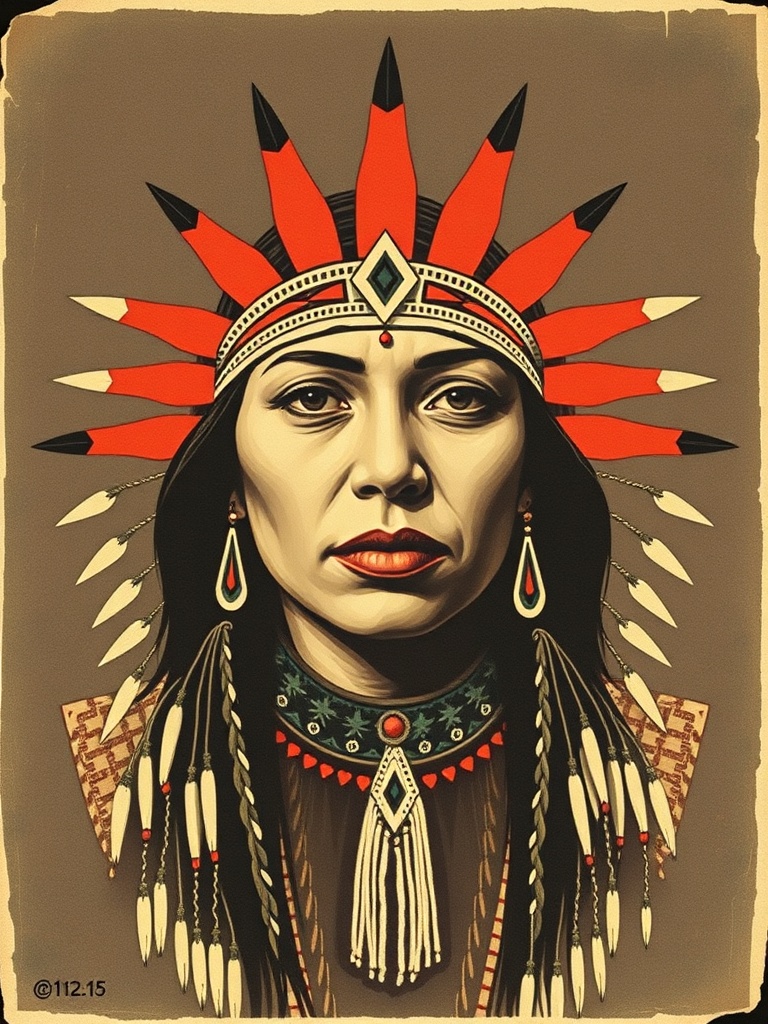
Navajo art—often described under the broader label of Southwestern or Native American art—captures a rich cultural language expressed through weaving, silversmithing, pottery, painting, and contemporary mixed media.
Understanding the materials, techniques, and cultural context behind these works makes collecting and appreciating Navajo pieces more meaningful and respectful.
What defines Navajo art
Navajo (Diné) art is rooted in place and story.
Designs frequently echo the high-desert landscape, seasonal cycles, and clan-based teachings. Traditional textiles such as rugs and blankets use bold geometric patterns, medallions, and color fields that evolved from ceremonial cloth into functional and trade items. Jewelry is recognizable for its use of silver paired with turquoise, coral, and other stones, often formed into concho pieces, squash blossom necklaces, and bolo ties.
Materials and techniques to know
– Weaving: Navajo weavers commonly use wool—often from Navajo-Churro sheep—that yields a distinctive texture and dye absorption. Weavings are created on an upright loom using hand-spun yarn, with patterns built row by row. Natural and synthetic dyes both appear today; knowing which was used helps establish technique and age.
– Silversmithing: Techniques include stampwork, overlay, inlay, and stone-setting. Sterling silver is typical in contemporary work, while older pieces might show coin silver heritage.
Turquoise varieties vary widely in color and matrix; provenance of stones can affect value.
– Beadwork and painting: Beadwork often decorates clothing and regalia with symbolic motifs. Contemporary painters and illustrators synthesize traditional narratives with modern visual language.
Cultural respect and provenance
Navajo art is a living practice, not a museum relic.
Many symbols and designs hold ceremonial meaning, so context matters. Buyers should seek clear provenance and artist attribution. The name of the artist, the community, and documentation of authenticity are useful. Federal protections exist to prevent misrepresentation of Native-made goods; asking questions and buying from reputable dealers, galleries, or directly from artists supports ethical exchange.
Collecting tips
– Look for signatures, hallmarks, or gallery provenance. Many artists sign or stamp jewelry and label textiles.
– Learn basic signs of handmade work: irregularities in weave, hand-tooling marks in silver, and natural stone variations indicate authenticity.
– Beware of mass-produced “Southwestern” items marketed as Native-made. If a piece is labeled Navajo or Diné, request confirmation.
– Support artists directly when possible: artist fairs, tribal markets, and certified galleries help ensure creators receive fair compensation.
Caring for Navajo pieces
– Textiles: Store flat or gently rolled with acid-free tissue to avoid creases. Keep away from direct sunlight and damp environments. Professional conservation is recommended for valuable or fragile pieces.
– Jewelry: Clean gently with a soft cloth and mild soap; avoid ultrasonic cleaners for inlaid stones or fragile settings.
Preserve patina if you value age; excessive polishing can remove historic character.
The contemporary scene
Contemporary Navajo artists are expanding into photography, installation, and experimental media while maintaining ties to tradition. This dynamic blend of past and present is part of what keeps Navajo art relevant and impactful. Collectors and admirers who approach these works with curiosity and respect contribute to the survival and evolution of a vibrant cultural expression.