Mining towns capture the imagination: rugged landscapes, weathered brick storefronts, narrow streets that once hummed with the sounds of industry. Beyond romance, these communities face unique challenges and opportunities as they adapt to changing economies, environmental pressures, and shifting cultural priorities. Understanding how mining towns evolve can guide better planning, preservation, and sustainable redevelopment.
The character of mining towns
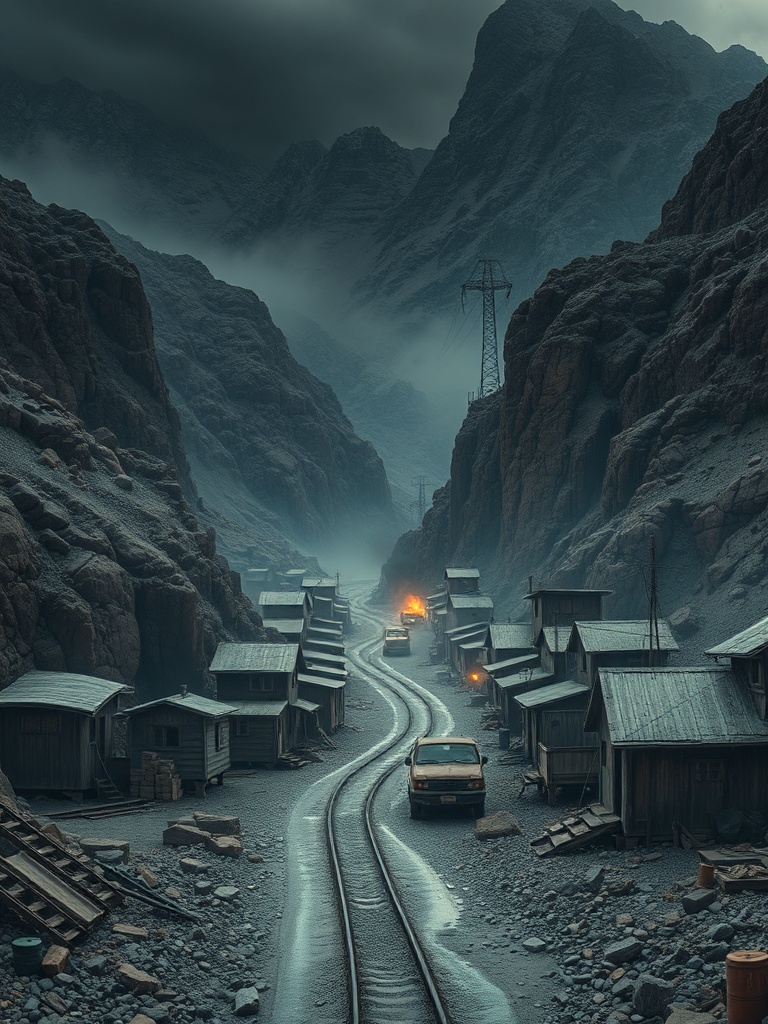
Many mining towns grew rapidly around a single resource—coal, gold, copper, silver, or rare earths—and developed distinct architectural and social identities. Company-built housing, miners’ unions, local saloons and boarding houses, and civic institutions like schools and fraternal halls formed tight-knit communities. That legacy is visible in surviving town layouts, industrial ruins, and cultural practices that continue to bind residents to a shared history.
Common challenges
– Economic vulnerability: Dependence on a single commodity can leave towns exposed to commodity price swings and mine closures.
Job losses often trigger population decline and service gaps.
– Environmental impacts: Tailings, acid drainage, contaminated soils, and altered waterways create lasting remediation needs. Liability and cleanup costs complicate redevelopment.
– Infrastructure decay: Abandoned mills, derelict rail lines, and aging public facilities require costly stabilization or repurposing.
– Social and health issues: Mining work can leave physical health burdens and socioeconomic stresses that persist across generations.
Opportunities for revitalization
Despite challenges, many mining towns are finding ways to reinvent themselves by leveraging heritage, natural assets, and new economic sectors:
– Heritage and cultural tourism: Preserving historic buildings and mining sites as museums, interpretive trails, and festivals draws visitors interested in industrial history and cultural heritage.
Authentic storytelling and community-led programming enhance appeal.
– Outdoor recreation and nature-based economies: Former mining landscapes often become gateways to hiking, mountain biking, fishing, and wildlife viewing. Restored river corridors and reclaimed mine lands can support recreation-based businesses.
– Adaptive reuse and creative economies: Converting former industrial buildings into studios, breweries, tech hubs, or artisan workshops attracts entrepreneurs and diversifies the local economy.
– Renewable energy and circular economies: Brownfield sites and large mine footprints can host solar arrays, battery storage, or ecological restoration projects that create local jobs and long-term revenue streams.
– Environmental remediation as an economic lever: State and federal cleanup programs, combined with private investment, can transform liabilities into developable parcels and open access to funding and job training.
Strategies that work
– Community-driven planning: Successful transitions start with inclusive planning processes that center local voices, honor heritage, and set realistic economic goals.
– Public-private partnerships: Collaborations between government, investors, nonprofits, and community groups can pool resources for remediation, infrastructure, and tourism development.
– Skills training and workforce development: Programs that retrain former miners for construction, remediation, hospitality, or renewable-energy roles help retain talent locally.
– Phased redevelopment: Prioritizing visible, small-scale projects—like trailheads, interpretive centers, or market spaces—builds momentum and attracts further investment.
Responsible visitation
Visitors can support mining town revitalization by choosing local guides, patronizing small businesses, respecting interpretive signage, and following safety guidelines around old mine workings. Responsible tourism ensures cultural integrity and helps sustain long-term recovery.
Mining towns are not static relics; they are dynamic places with layers of history and potential.
With thoughtful planning, sensitive preservation, and strategic investment, former mining communities can honor their past while building resilient, diversified futures.