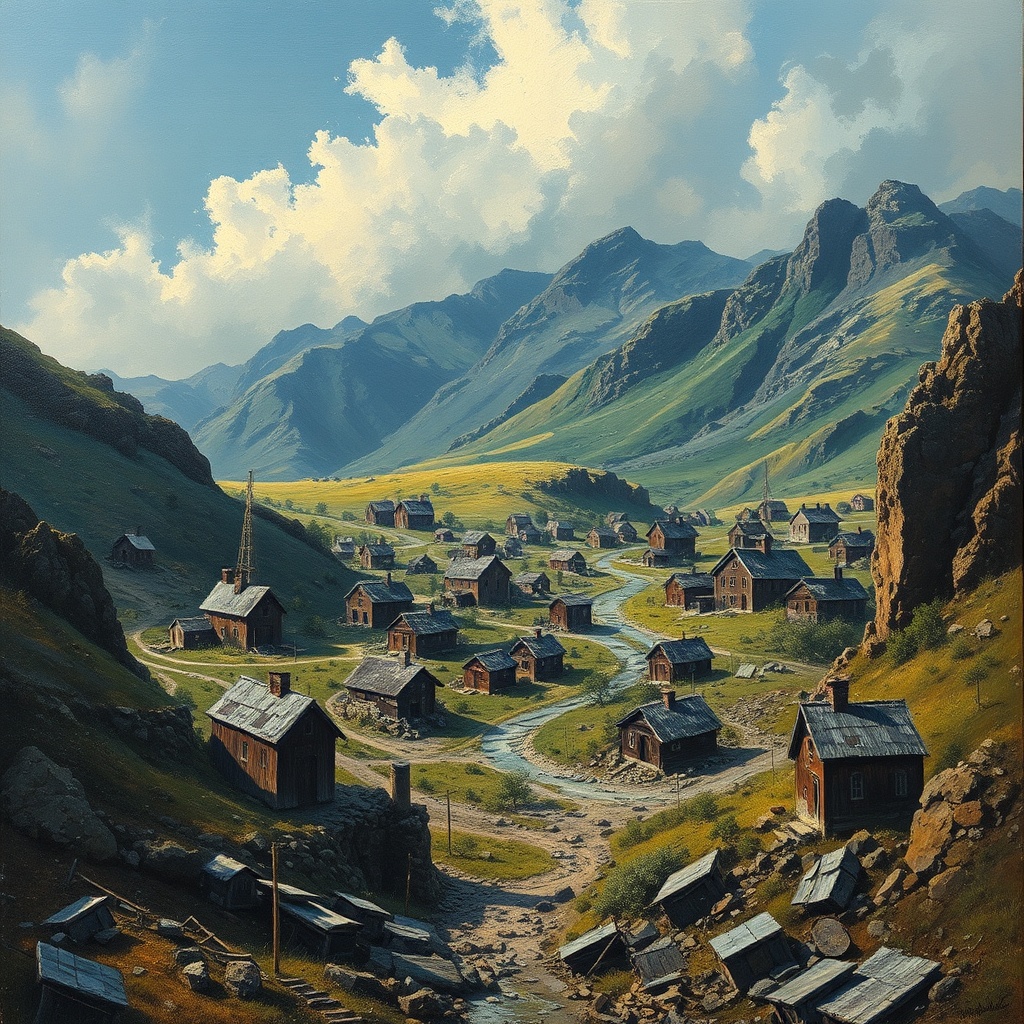
Mining towns carry a rugged romance: shuttered headframes silhouetted against big skies, weathered storefronts with stories layered into every brick, and communities that have learned to adapt or disappear. While many images of mining towns are steeped in the past, the realities they face now are dynamic — shaped by environmental cleanup, heritage tourism, economic diversification, and shifts in global commodity demand.
Why mining towns matter
Mining towns were built around extraction: coal, gold, copper, silver, and rare earths. Those resources brought jobs and rapid development, but also boom-and-bust cycles. When a mine slows or closes, the social and economic fallout can be profound: population decline, loss of services, and environmental legacies like tailings, acid drainage, and contaminated soil. The way communities respond to these challenges determines whether they become ghost towns or reinvent themselves.
Paths to revival
Many former mining towns are finding new lifelines. Heritage tourism is a common route: preserving historic buildings, opening museums, and staging guided mine tours turn industrial heritage into visitor attraction. Creative reuse of industrial spaces — converting mills into galleries, warehouses into performance venues, or miner housing into short-term rentals — can attract artists, entrepreneurs, and visitors.
Economic diversification often pairs tourism with new industries.
Renewable energy projects, light manufacturing, outdoor recreation businesses, and remote-work–friendly services can stabilize local employment.
Partnerships with universities and technical colleges create retraining programs that help former mine workers transition to new trades.
Environmental remediation and stewardship
Addressing environmental legacies is essential for long-term resilience. Mine reclamation projects remove hazards, cap tailings, and restore landscapes for safe public use. Passive treatment systems, reforestation, and wetland restoration can reduce water contamination and bring back wildlife. Increasingly, communities pursue funding through government grants, public–private partnerships, and environmental trusts to support cleanup.
Transparency and community involvement in reclamation plans build public trust. Locals who see tangible benefits — improved water quality, restored recreation areas, new jobs — are more likely to support redevelopment initiatives.
Social and cultural resilience
Mining towns often have strong cultural identities shaped by migrant workers, union traditions, and shared hardship. Preserving intangible heritage — oral histories, music, recipes, festivals — sustains community cohesion and provides authentic content for cultural tourism. Local storytelling initiatives and partnerships with cultural organizations help capture and share these narratives.
Modern challenges and opportunities
Climate considerations are becoming important: increased wildfire risk, changing water availability, and infrastructure vulnerabilities affect redevelopment strategies. Shifts in global demand for certain minerals can also create opportunities; minerals needed for clean technologies may spur new exploration or recycling industries near historic mining regions.
Technology plays a role too. Drones, remote sensing, and digital mapping help assess contamination and plan reclamation more efficiently. Digital platforms also enable remote marketing of small-town attractions and support e-commerce ventures for local artisans.
Actionable steps for communities
– Conduct a thorough asset and risk assessment (heritage assets, environmental liabilities, infrastructure).
– Pursue diverse funding sources for remediation and redevelopment.
– Invest in workforce retraining tied to realistic local opportunities.
– Promote authentic cultural experiences to attract responsible tourism.
– Foster regional collaboration to share resources and coordinate economic strategies.
Mining towns are not relics frozen in time. With thoughtful planning, community leadership, and creative reuse of resources, these places can transform legacies of extraction into foundations for sustainable, vibrant local economies that honor history while embracing new possibilities.