Wyoming Travel Guide: Wild Landscapes, Big Skies, and Practical Tips
Wyoming is synonymous with wide-open spaces, iconic national parks, and a culture rooted in ranching and outdoor adventure. Whether you’re planning a road trip through Yellowstone and Grand Teton, chasing backcountry solitude, or exploring small towns with a strong Western identity, this guide highlights what makes Wyoming special and offers practical tips for getting the most from your visit.
Why Wyoming draws visitors
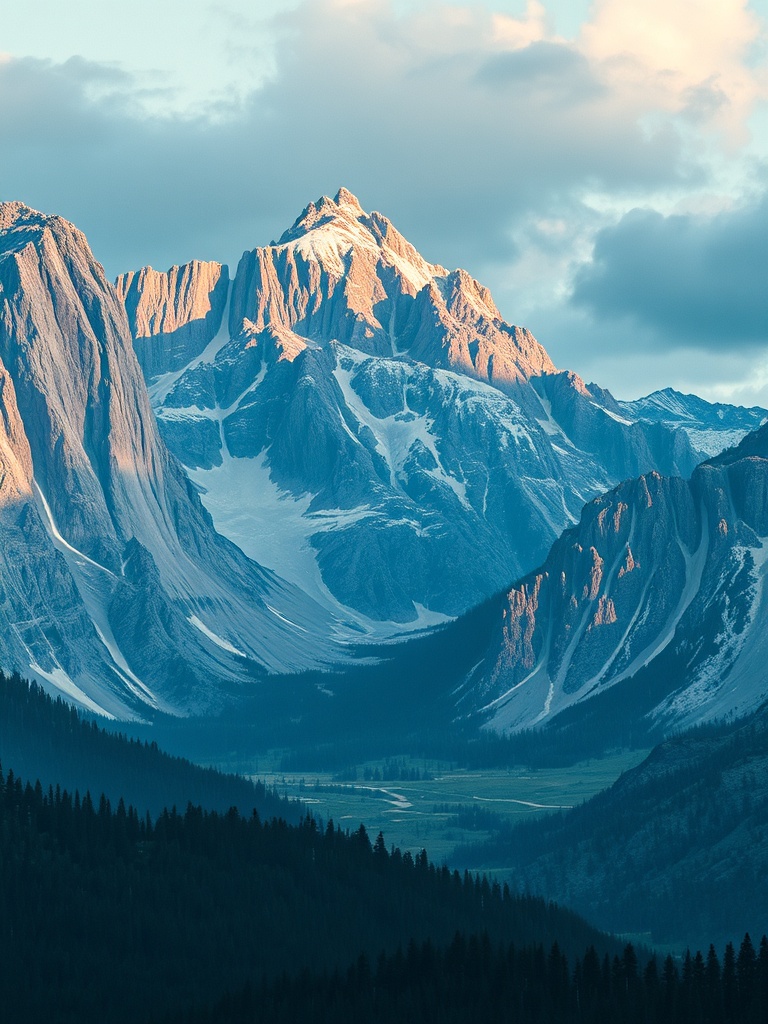
– National parks and dramatic scenery: Yellowstone’s geothermal wonders and Grand Teton’s jagged peaks are major draws, but lesser-known landscapes—like the Bighorn Mountains, the high desert near Casper, and the monolithic Devil’s Tower—offer equally memorable scenery.
– Wildlife viewing: Large mammals—including bison, elk, moose, pronghorn, and bears—are commonly seen. Birding is rewarding across wetlands and riparian corridors.
– Outdoor recreation: Hiking, backpacking, fishing, rafting, hunting, and alpine and Nordic skiing are all prominent. The state’s extensive public lands make dispersed camping and off-trail exploration accessible.
– Cultural character: Rodeo traditions, frontier museums, and arts communities in towns like Cody, Jackson Hole, and Laramie capture the region’s history and contemporary Western culture.
Practical travel tips
– Prepare for altitude and weather: Many destinations sit at high elevation. Hydrate, pace yourself on strenuous hikes, and layer clothing—mountain weather can change rapidly.
– Respect wildlife and geothermal features: Keep a safe distance from wildlife at all times—use binoculars or a telephoto lens.
Stay on boardwalks and marked trails around hot springs and geysers; these features are fragile and dangerous.
– Expect long drives and sparse services: Distances between towns can be large and cell coverage patchy. Fuel up when you can, carry water, snacks, and a basic emergency kit.
– Permits and regulations: Check trailhead regulations, fishing licenses, and fire restrictions before heading out.
Dispersed camping is allowed on many federal lands, but local rules vary.
– Season considerations: Summer and shoulder seasons offer hiking and rafting; winter opens world-class skiing and snowmobiling but narrows access to some roads. Check road and weather conditions before travel.
Place highlights worth exploring
– Yellowstone: Famous for geothermal features, abundant wildlife, and scenic canyons. Plan routes to avoid peak crowds and allow time for unexpected wildlife stops.
– Grand Teton: Striking alpine peaks, bright alpine lakes, and world-class climbing; Teton backcountry is iconic for experienced hikers and climbers.
– Jackson Hole: A hub for access to both parks, with lively dining and arts scenes and access to wilderness recreation.
– Hot springs and public monuments: Warm springs at Thermopolis and the dramatic monolith at Devil’s Tower offer different kinds of natural wonder.
– Historic towns: Visit museums and Western-era attractions in places like Cody and Cheyenne to connect with ranching heritage and frontier history.
Leave no trace and local etiquette
Wyoming’s landscapes are its richest asset—pack out what you pack in, camp well away from water sources, and avoid disturbing natural or cultural sites. Engaging respectfully with local communities and natural systems ensures these places stay wild for future visitors.
With careful planning and basic wilderness smarts, Wyoming delivers a powerful mix of solitude, scenery, and authentic Western culture—an ideal destination for those who cherish big skies and outdoor freedom.