Utah skiing combines famously dry, fluffy powder with a compact geography that puts a wide variety of terrain within easy reach of a major airport. Whether you chase deep backcountry lines, groomed cruisers, family-friendly bowls, or a lively mountain town, Utah delivers reliable snow quality and options for every skill level.
Resort highlights and vibe
– Alta: Legendary powder and steep terrain make this a magnet for committed skiers; note that Alta traditionally restricts access to skiers only.
– Snowbird: Known for big vertical, technical runs, and strong lift capacity, it’s a favorite for advanced skiers and those who want long days on the hill.
– Deer Valley: Upscale service, impeccably groomed runs, and a curated experience appeal to those who prioritize comfort and convenience; lift tickets are often limited to preserve the guest experience.
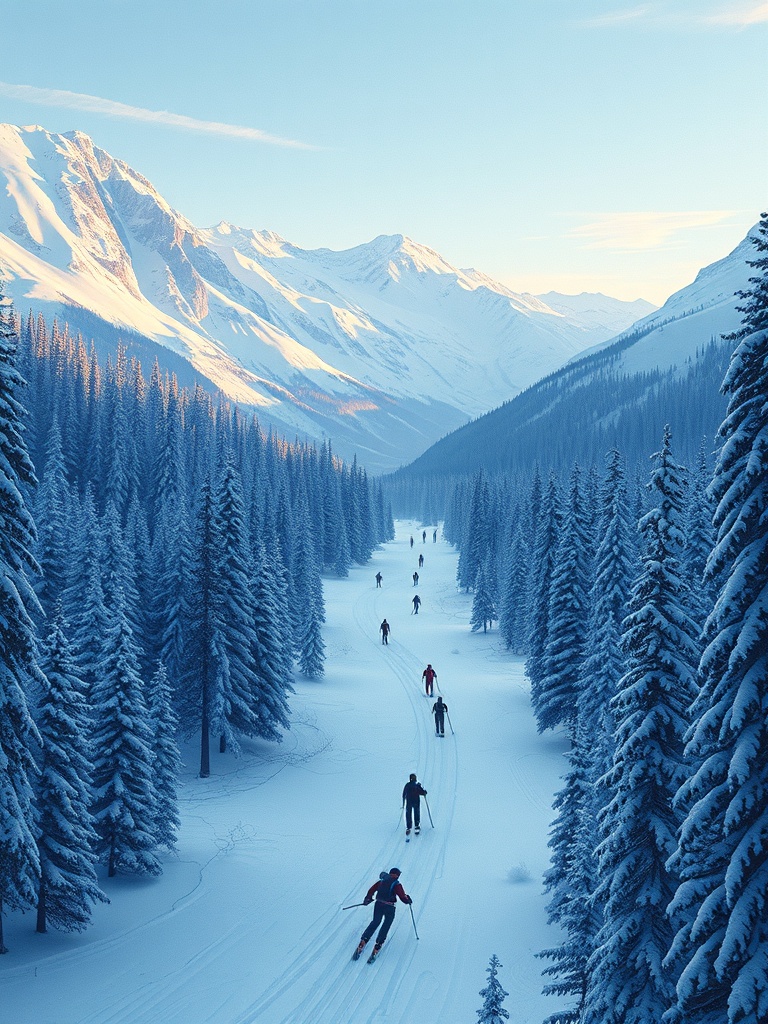
– Park City: Extensive terrain and a lively Main Street offer a mix of mountain access and town nightlife, plus wide options for lodging and dining.
– Brighton and Solitude: Smaller, more relaxed areas that are great for families and riders seeking less crowded slopes.
– Sundance: A boutique, low-key option with scenic runs and a creative, arts-focused lodge atmosphere.
Powder technique and gear
Utah’s low-humidity, light snow floats differently than coastal or heavy continental snows.
To make the most of powder days, stay centered over the skis, keep momentum through turns, and use a slightly wider stance. Powder-specific skis or a wider mid-fat shape provide better float; if you rent, ask for powder-friendly models and a fresh tune.
Consider a lesson focused on powder technique if you’re new to deep snow — it pays off fast.
Planning and logistics
Salt Lake City airport serves as the main gateway, with most major resorts reachable by a short drive or shuttle. Road conditions can change quickly, so check mountain and highway reports before heading out. Buy lift tickets and rentals in advance to lock in better prices and avoid long lines. For multi-day stays, compare single-resort deals with multi-resort pass options to find the best fit for your itinerary.
Midweek skiing often means shorter lift lines and more flexible lodging rates.
Safety and backcountry considerations
Altitude, cold dry air, and variable mountain weather require sensible preparation: hydrate, layer smartly, and use sunscreen. For those venturing off-piste, check current avalanche forecasts from local sources, carry beacon-probe-shovel gear, and make sure everyone in your party has proper training.
Guided backcountry tours and avalanche courses are widely available for those who want to explore beyond lift-served terrain safely.
Après, dining, and culture
Après-ski ranges from lively bars and restaurants in mountain towns to more subdued lodge dining.
Park City offers a bustling culinary scene and shopping, while smaller resorts focus on cozy mountain hospitality. Look for special events, live music, and seasonal festivals that often accompany the ski season.
Final tips
Pack layers, book early for peak holiday periods, and prioritize a proper boot fit — comfort on your feet transforms a good day into a great one. Keep an eye on resort forecasts and trail maps, consider a lesson to sharpen skills quickly, and respect local rules and etiquette on crowded days. With the right planning, Utah skiing can deliver some of the most memorable turns you’ll find anywhere.