Mining towns hold a distinct place in the cultural and economic landscape—places shaped by geology, industry, and resilient communities. Whether thriving, struggling, or partly abandoned, these towns face shared challenges: shifting commodity markets, environmental legacies, and the need to diversify economies. At the same time, they possess unique assets—historic architecture, scenic landscapes, and deep local knowledge—that make successful reinvention possible.
Legacy and identity
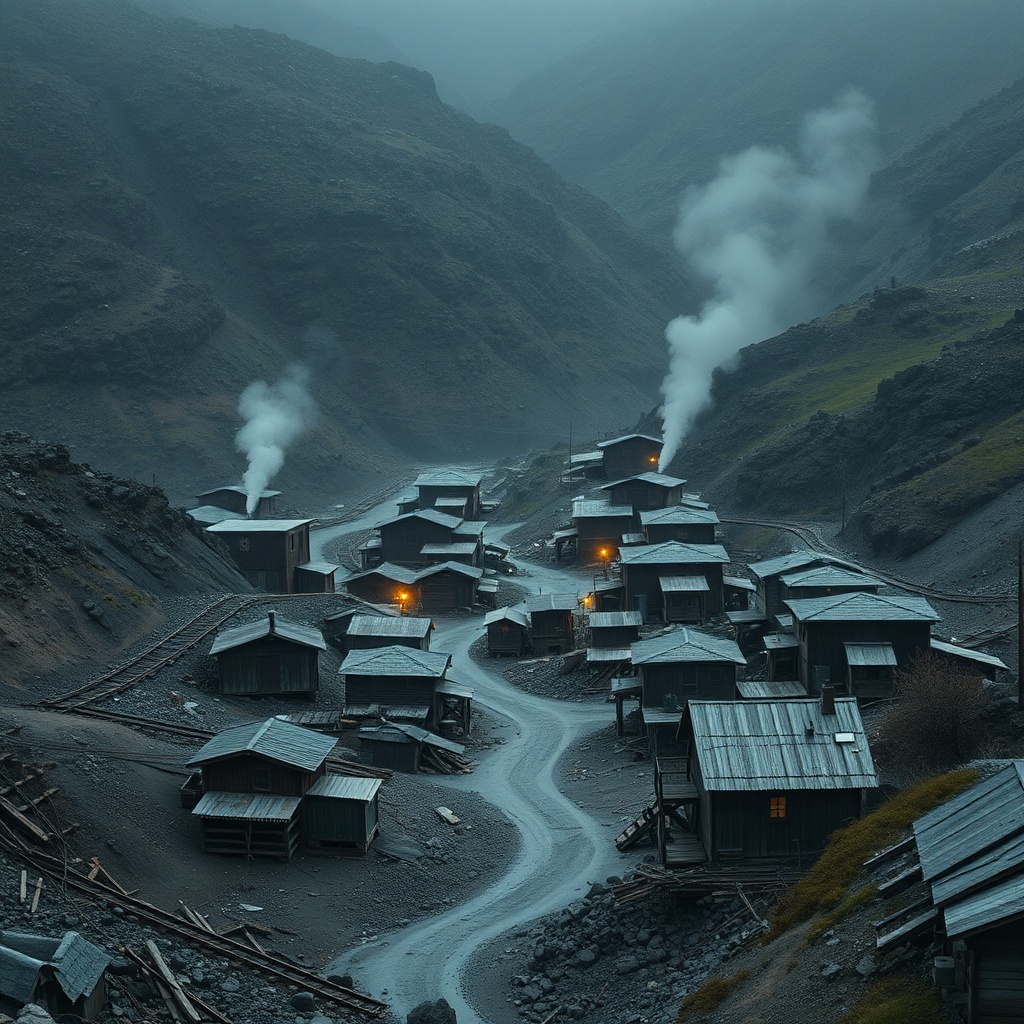
Many mining towns were built quickly around a single resource.
That focused identity can be a strength: historic sites, old mine structures, and stories of labor and innovation attract visitors and investors. Preserving authenticity—old storefronts, miners’ lodges, and interpretive museums—creates a compelling cultural offer that differentiates a place from generic destinations.
Economic reinvention
Diversification is the most reliable path to resilience. Successful mining towns combine multiple strategies:
– Heritage tourism: Developing walking tours, museum exhibits, and festivals that celebrate mining heritage draws visitors year-round.
– Outdoor recreation: Trails, mountain biking, rock climbing, and fishing convert former industrial landscapes into recreational economies.
– Renewable energy and green industry: Former mine sites can host solar or wind installations, battery storage, or critical mineral processing—linking local economies to clean energy supply chains.
– Small business incubation: Co-working spaces, artisan workshops, and local food ventures create jobs and retain younger residents.
– Remote work attraction: Improving broadband and promoting affordable housing can attract remote professionals seeking unique places to live.
Environmental and safety priorities
Remediation of contaminated land and safe closure of mine workings are essential for long-term viability. Environmental restoration not only reduces health risks but can create new economic opportunities—wetlands and reforested areas improve biodiversity and become public assets. Community-led monitoring and transparent reporting build trust and make redevelopment more attractive to funders and partners.
Financing and partnerships
Redevelopment rarely happens without coordinated funding. Public grants, private investment, philanthropic support, and public-private partnerships each play a role. Leveraging heritage designations can unlock restoration funds; environmental cleanup programs often provide technical and financial assistance. Local leadership that articulates a clear vision and marketable plan is more likely to secure resources.
Social fabric and workforce development
Sustaining a mining town through transition requires investment in people. Retraining programs tied to emerging local industries, apprenticeships with renewable-energy firms, and entrepreneurship training for residents help convert a legacy workforce into new opportunity. Preserving social networks—community centers, festivals, and local media—maintains civic cohesion during change.
Practical steps for communities
– Conduct asset mapping: identify historic sites, natural features, and available infrastructure.
– Build a phased plan: prioritize projects with quick wins and visible benefits to build momentum.
– Invest in connectivity: reliable broadband and transportation access are crucial for business attraction.
– Engage stakeholders: miners, longtime residents, newcomers, government, and investors must share a common vision.
– Market the story: use high-quality visuals and storytelling to position the town to tourists and investors.
Mining towns are defined by adaptation. With thoughtful planning, strategic investment, and respect for heritage and environment, they can evolve into diverse, livable communities that honor the past while embracing new economic pathways. Communities that balance preservation with innovation often find the most durable success.