Wyoming ranches capture imaginations for good reasons: expansive skies, rugged terrain, and a living tradition of livestock, land stewardship, and resilient rural communities.
Whether you’re drawn to cattle operations, guest ranch hospitality, or land conservation, Wyoming ranches offer diverse opportunities—and a distinct set of practical considerations.
Why Wyoming ranches matter
Wyoming’s mix of high plains, river valleys, and foothills supports productive grazing and varied wildlife habitat. Ranches here are often working landscapes where food production, habitat conservation, recreation, and energy development intersect. That combination makes ranch ownership appealing for investors, conservation-minded buyers, and people seeking a lifestyle change.
Economic and revenue trends
Ranch income typically comes from multiple sources: cattle sales, hay production, hunting or outfitting leases, and guest ranch operations that capitalize on experiential travel. Increasingly, ranches supplement revenue with land leases for renewable energy or carbon-sequestration agreements. Diversifying income—while maintaining grazing capacity—helps buffer operations against market swings and climate variability.
Sustainable land and livestock management
Successful ranches prioritize range health. Practices like rotational grazing, flexible stocking based on forage conditions, riparian fencing to protect waterways, and restoring native grasses sustain long-term productivity. Managing wildfire risk through fuel reduction, creating defensible space around buildings, and working with local fire districts is also central to resiliency. Collaborative partnerships with conservation groups and government programs can provide technical assistance and financial incentives for habitat projects.
Water and legal considerations
Water is foundational.
Understanding water rights, well permits, and seasonal stream flows is crucial when evaluating a ranch. Many properties rely on a combination of wells, springs, and irrigation ditches; confirming legal access and maintenance responsibilities should be a top priority during due diligence.
The guest ranch and tourism angle
Guest ranches remain a popular way to monetize scenic properties.
They require hospitality planning—appropriate lodging, liability coverage, marketing channels, and experience-based programming such as trail rides, fly-fishing, or wildlife viewing. Internet visibility and direct-booking options are increasingly essential to reach the modern traveler.
Buying and operating tips
– Work with specialists: enlist a broker familiar with ranch real estate, an attorney versed in land and water law, and natural resource consultants for range and wildlife assessments.
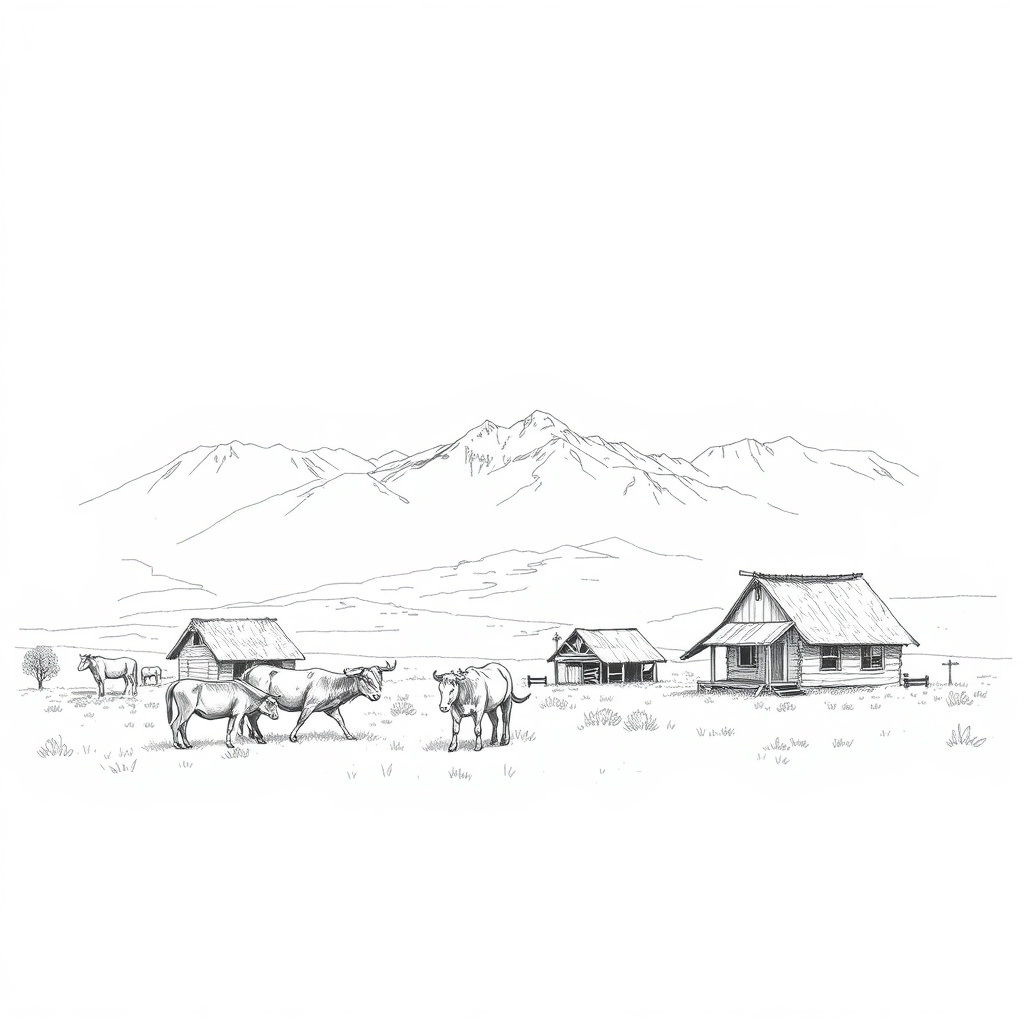
– Evaluate infrastructure: fencing, stock water systems, corrals, outbuildings, and road access affect both operational cost and value.
– Check grazing permits and public land interface: many Wyoming operations rely on permitted grazing on public lands; verify terms, transferability, and management requirements.
– Plan for conservation tools: conservation easements can reduce tax liability and protect scenic and ecological values, but they also place long-term use restrictions on the land.
– Factor in climate variability: plan for drought contingency, flexible herd sizes, and forage supplementation strategies.
Community and culture
Ranching is a community enterprise.
Engaging with local ranchers’ associations, extension services, and county offices accelerates learning and fosters partnerships that make operations safer and more productive.
Final thought
Owning or operating a Wyoming ranch blends practical land management with deep cultural ties to place. Careful planning, diversified income strategies, and a commitment to sustainable stewardship make the difference between an aspirational purchase and a thriving, enduring ranch. If you’re exploring options, start with detailed property assessments and local experts to match land opportunity with your goals.